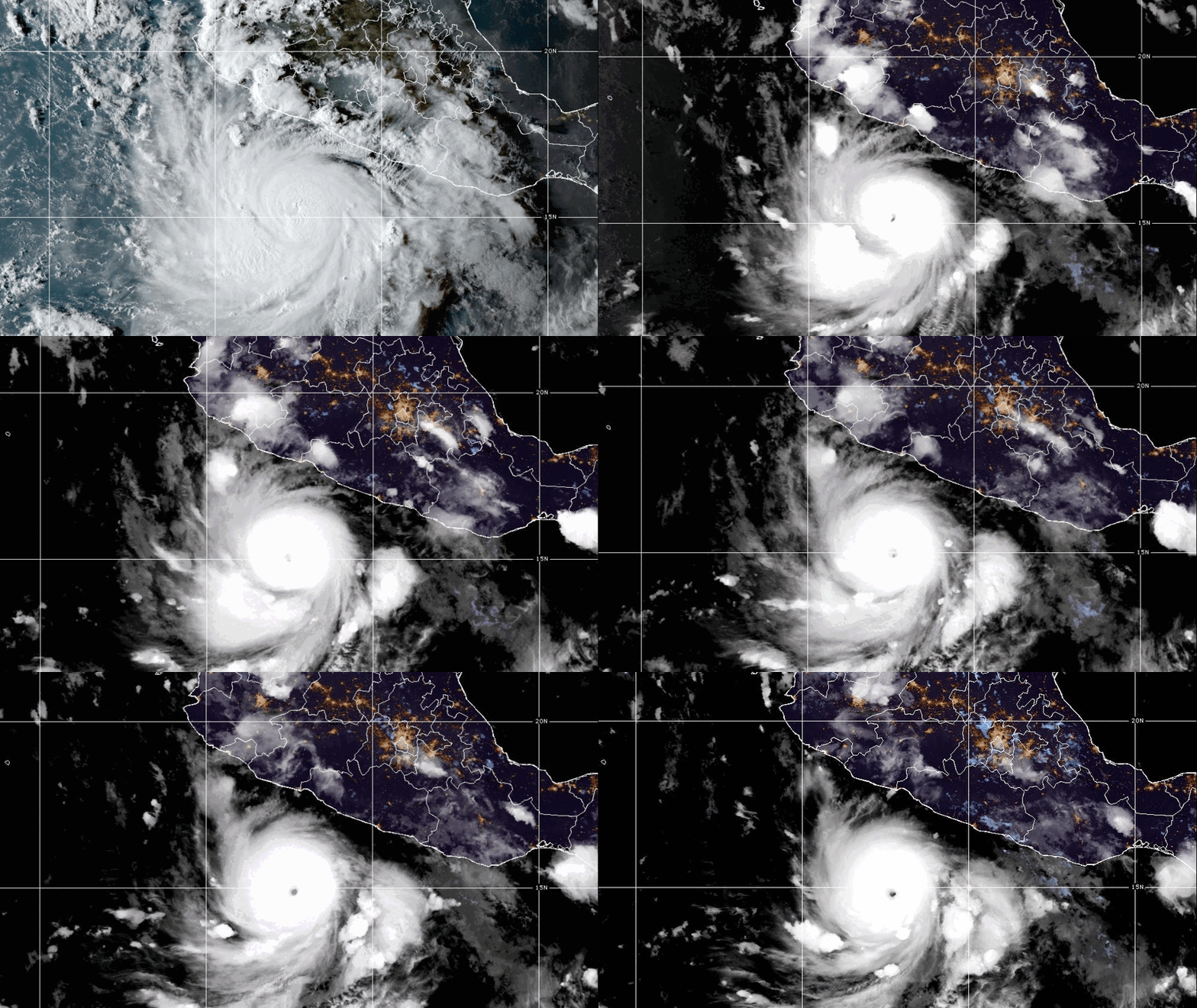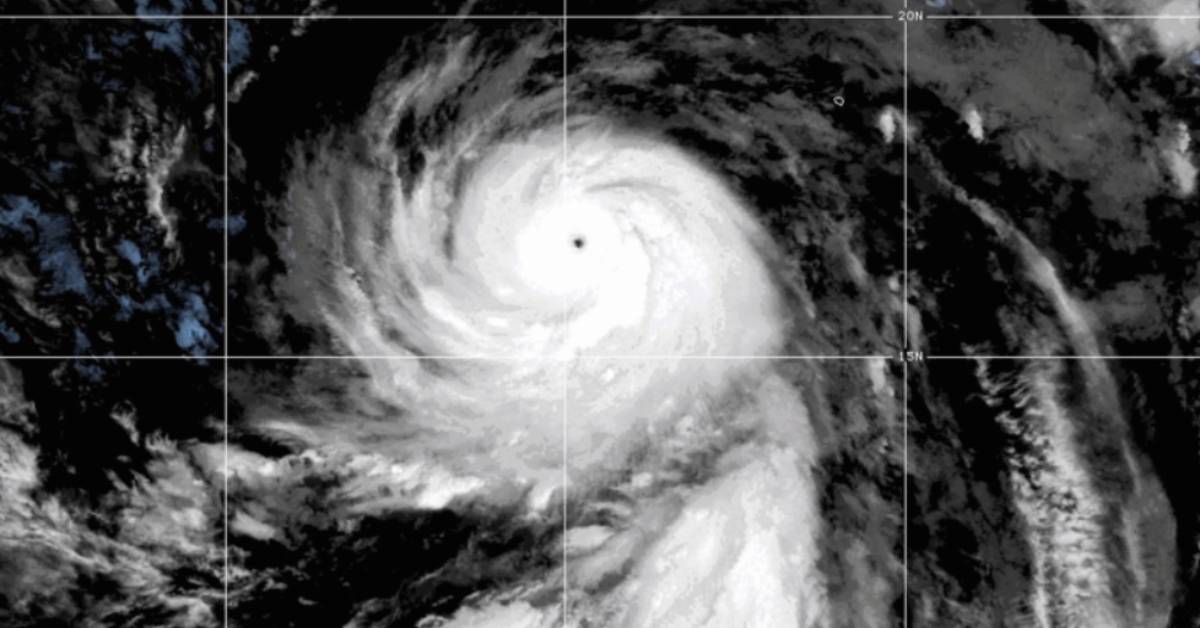
Puerto Vallarta is heading into the 2026 rainy season with a warning that residents should not ignore. A local meteorologist says the region could see heavier-than-normal rain, stronger heat, and a more complicated cyclone season. City officials have now placed emergency coordination in permanent session, with drainage work, shelters, and response plans under review. The forecast does not mean a direct hurricane hit is certain, but it does raise the stakes for preparation before the heaviest months arrive.
Puerto Vallarta warned of heavy rains and cyclone risks this season
Puerto Vallarta is preparing for a rainy season expected to be wetter than normal, with local officials also watching a higher risk from tropical cyclones in the Pacific.
The warning was presented during the installation of the Municipal Civil Protection and Risk Management Council for the 2026 rainy and cyclone season. The council was declared in permanent session as the city moves into the months when storms, flooding, and coastal hazards become a larger concern.
Meteorologist Víctor Manuel Cornejo López said the region could see above-normal rainfall, especially as ocean and atmospheric conditions shift during the year. He also warned that October could be a month of particular concern if Pacific waters remain unusually warm.
The forecast does not predict a direct hit on Puerto Vallarta. Seasonal outlooks measure risk across a large ocean basin. They do not say where a storm will make landfall months in advance.
Pacific forecast points to an active season
Mexico’s national outlook calls for 18 to 21 tropical cyclones in the Pacific during the 2026 season. Of those, 9 to 10 could become tropical storms, 5 to 6 could become Category 1 or 2 hurricanes, and 4 to 5 could become major hurricanes.
That number matters for Puerto Vallarta because the city does not need a direct hurricane impact to see problems. Storms passing offshore can still bring heavy rain, rough seas, high surf, flooded streets, and restrictions on navigation.
Local risk also depends on a storm’s path, speed, size, and rainfall pattern. A weaker storm that moves slowly can cause more flooding than a stronger storm that stays far offshore.
The eastern Pacific hurricane season officially begins May 15 and runs through November 30. For Jalisco and the Bahía de Banderas region, late summer and autumn often require closer attention.
El Niño adds uncertainty to the season
Global climate agencies expect El Niño conditions to develop around mid-2026. El Niño can influence rainfall, ocean temperatures, and storm behavior in different parts of the world.
In the Pacific, warmer waters can provide more energy for tropical systems. That does not mean every storm becomes dangerous, nor does it guarantee landfall in Jalisco. It does mean officials and residents have reason to monitor conditions closely.
The World Meteorological Organization has also cautioned that spring forecasts carry some uncertainty. Confidence usually improves later in the season, once ocean and atmospheric patterns become clearer.
For Puerto Vallarta, the practical message is straightforward. The season deserves early preparation, not panic.
City reviews drainage, shelters and response plans
Municipal officials said the Civil Protection council brings together agencies from all three levels of government, along with emergency responders, health institutions, private-sector representatives, and community groups.
The city has reported progress on preventive work, including river, stream, and drainage channel cleaning and desilting. These areas are important because heavy rain can quickly move from the mountains into low-lying neighborhoods and roadways.
Officials also reported agreements for temporary shelters, with capacity for nearly 4,000 people if evacuations or emergency housing become necessary.
For residents, the most useful preparation starts before a storm appears on the map. Homes should be checked for leaks, clogged drains, loose rooftop items, and flood-prone storage areas. Important documents, medication, pet supplies, phone batteries, and some cash should be kept ready.
Foreign residents and seasonal homeowners should also make sure property managers have clear instructions. Storm preparation is harder when owners are outside the country, and decisions must be made quickly.
Flooding remains one of Vallarta’s main risks
Puerto Vallarta’s geography offers some protection from direct ocean exposure, but it also creates risks. The city sits between Banderas Bay and the Sierra Madre, with rivers, arroyos, steep roads, and fast-moving runoff.
That means flooding can happen even without a hurricane landfall. Heavy rain can affect bridges, underpasses, hillside roads, ground-floor homes, businesses, and access routes between neighborhoods.
Beach conditions can also change before skies look dangerous. Strong waves and currents may lead to red flags, port restrictions, or canceled boat tours.
Residents and visitors should follow official weather bulletins, municipal Civil Protection updates, beach flags, and port instructions during the season. Viral weather posts should be treated carefully unless they match official guidance.
The season may still pass without a major local impact. But city officials are treating 2026 as a year that requires readiness from government agencies, businesses, residents, and visitors.