Puerto Vallarta is putting parks, community services, and drainage on the same agenda. Officials spent the day showcasing rehabilitated public areas in Loma Bonita and La Floresta, a new Casa Tucán in Vista Dorada, and stormwater works in Las Juntas. The projects may look unrelated at first glance. They are not. Together, they show how the city is trying to address two everyday complaints at once: abandoned neighborhood spaces and streets that fail during heavy rain.
A neighborhood strategy taking shape
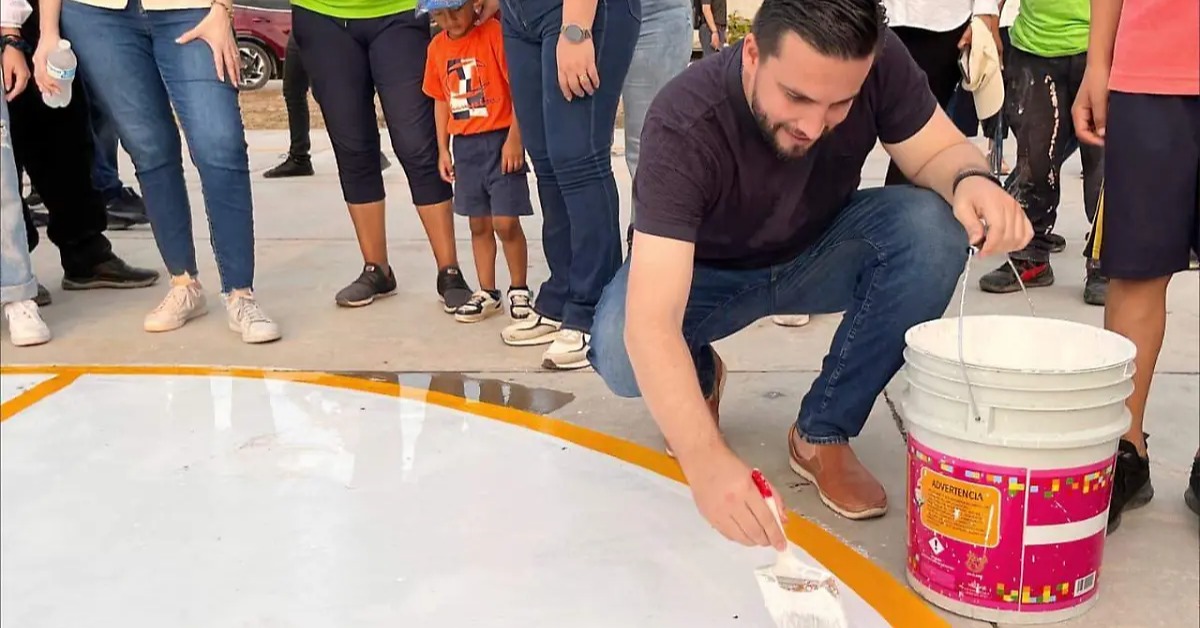
On March 23, municipal authorities used a neighborhood tour to present a wider strategy. In Loma Bonita, officials highlighted work in a public plaza. In La Floresta, crews intervened in the court and green area, and the mayor reviewed the future Tukilandia site. The city also pointed to the new Casa Tucán in Vista Dorada. There, residents can get legal guidance, psychological support, workshops, help with municipal paperwork, and orientation on social programs. The message was clear. Public spaces, social assistance, and basic urban maintenance are being treated as parts of the same neighborhood agenda.
This did not start with this week’s walk-through. Municipal transparency records from 2025 show the administration had already begun converting unused properties into Casas Tucán. Those records describe the centers as spaces for educational, cultural, and social activities. They also show active community services, including psychological attention, legal advice, and basic tutoring. That background matters. It suggests the latest opening is not a standalone ribbon-cutting. It is part of a broader effort to place small service hubs in neighborhoods, rather than keeping help concentrated downtown.
Why Medina Ascencio is central to this story
The second half of the announcement deals with flood risk. Authorities said stormwater works have started on the lateral of Boulevard Francisco Medina Ascencio in Las Juntas. The stretch runs from Avenida Las Palmas to the highway exit. The project is being carried out by the federal SICT. Officials say the goal is to improve the pluvial system before heavier rains arrive. The work is expected to last about three months. During that period, drivers should expect closures, detours, and slower travel through an already busy corridor.
That urgency is easy to understand in Puerto Vallarta. Last June, heavy rain flooded sections of Medina Ascencio and shut lanes for hours. Near IMSS Hospital 42, the water reportedly rose to about 80 centimeters. In September, another storm left at least 15 vehicles swept away and 42 homes flooded. It also left Medina Ascencio among the avenues that became impassable. Seen against that backdrop, the current works are more than pre-season maintenance. They are an attempt to reduce a problem residents have already watched play out in real time.
More than beautification
For international readers, the mix of parks, social services, and drainage can seem unusual. In the Mexican municipal government, those areas often overlap on the ground. A neglected court or plaza is not only a maintenance issue. It can also become a safety complaint, a social-service gap and a sign of distance between residents and City Hall. Flooding works follow the same logic. When water overwhelms a major corridor, the result is not just traffic. It can interrupt commutes, damage homes, and cut access to schools, clinics, and jobs.
That is why this story is bigger than a few neighborhood events. Puerto Vallarta is testing whether small, visible interventions can change daily life faster than larger projects. The next measure of success will be simple. Residents will want to see whether Casa Tucán keeps operating. They will also watch whether Tukilandia in La Floresta opens and whether Medina Ascencio drains better in hard storms. Announcements matter. But in a city shaped by rain, traffic, and tourism, results are what last.