Puerto Vallarta has another date for its delayed Malecón expansion, but the story is bigger than a single construction update. The new March 27target arrives as Holy Week approaches, businesses continue to wait for normal access, and the city still has to decide how the finished stretch will actually work. For readers who know the boardwalk but not the backstory, this project sits where tourism, traffic, and downtown life meet. That is why a short delay is drawing outsized attention.
A new target date
Puerto Vallarta now has a new deadline for the Malecón expansion. Mayor Luis Ernesto Munguía said the work should be finished on March 27. He also said the formal inauguration will be held in mid-April, when the city hopes to host the event with Jalisco Governor Pablo Lemus. That means the visible end of construction and the official public opening are no longer the same thing, and that distinction matters for a project that has already missed earlier expectations.
For readers outside Jalisco, the Malecón is not just a scenic boardwalk. It is Puerto Vallarta’s best-known public space and one of the city’s most important downtown corridors. The new stretch extends that experience north through Avenida México toward Parque Hidalgo, in an area used every day by residents, visitors, merchants, and transport operators. The timing matters because the city is already preparing for the Holy Week and Easter travel period, when central Puerto Vallarta sees heavier foot traffic, fuller hotels, and more pressure on public space.
What the expansion is meant to do
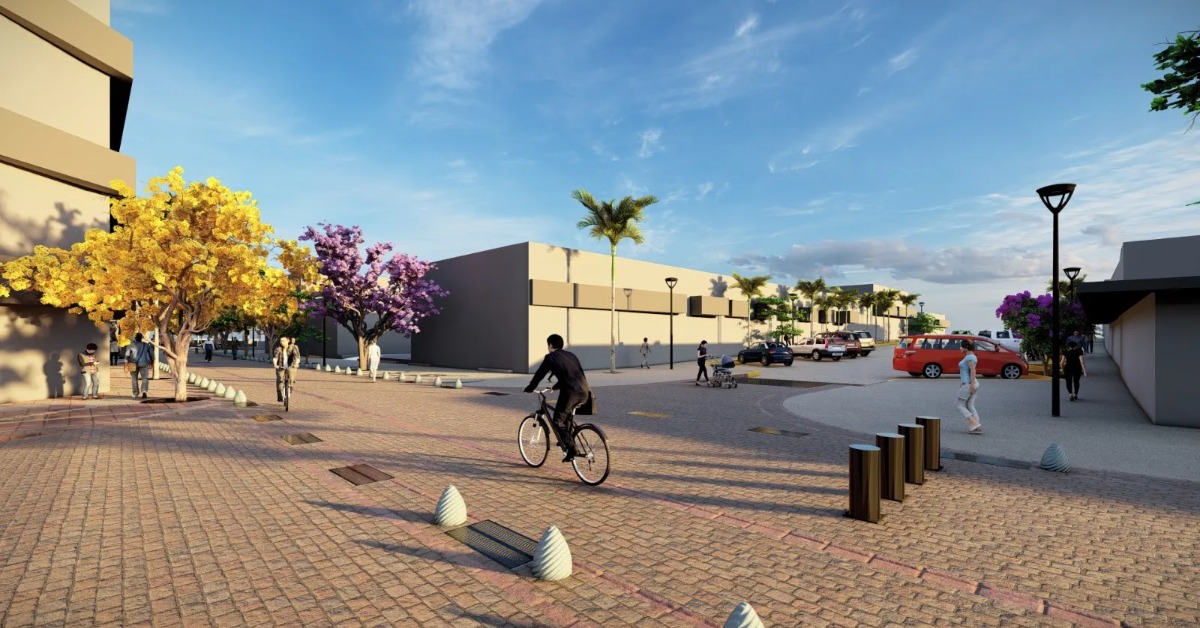
The project has been framed as more than a cosmetic refresh. City officials have presented it as a way to improve mobility, upgrade infrastructure, and strengthen the public image of a key tourism zone. Public descriptions of the work over recent months have pointed to paving and surface improvements, lighting, landscaping, urban furniture, drainage work, and the final connection between the existing Malecón and the area around Parque Hidalgo. In practical terms, the goal is to make this downtown approach look better while also making it function better.
That matters because this stretch serves two roles at once. It is part of the image many people associate with Puerto Vallarta, but it is also part of the city’s daily circulation. Visitors read it as a waterfront public space. Residents use it as part of normal movement through downtown. That is why delays here can feel bigger than delays on a side street. When a central tourism corridor stays under construction longer than expected, the effect spreads quickly. It changes access, disrupts business routines, and keeps the city from fully presenting one of its most visible areas during a busy season.
Why the date keeps moving
The current deadline is only the latest turn in a longer timeline. Reporting from recent months shows the expansion dates back to October 2025, with early expectations that it would be ready before the year-end holiday season. That did not happen. By mid-January, the work was still unfinished. By late February, the corridor remained in progress. In early March, officials were still working on the final details and getting the area ready before Holy Week. The new March 27 target puts the completion date well beyond the schedule many local businesses and residents had originally been led to expect.
The explanations have also shifted as the job moved along. Public comments and local coverage have pointed to storm drainage, hydraulic details, and final connection work as reasons the project could not open sooner. That helps explain why a site can look close to done while still not being ready for handover. In urban works, the last unfinished section often controls the whole schedule. Even so, the longer construction window has brought growing frustration. Merchants and transport operators in the area have spent months describing weaker sales, more limited access, and uncertainty about when normal activity would return.
What readers should watch next
The first question is whether March 27 holds. After several missed expectations, that date now matters as much as a test of credibility as it does as a construction milestone. The second question is what happens between completion and inauguration. If the physical work ends in late March but the formal opening is delayed until mid-April, residents will want to know how much access will be available in the meantime and whether the area will still show signs of a project that is not fully handed over. That gap could become almost as important as the delay itself.
There is also a bigger issue beyond the construction calendar. The mayor has suggested the new stretch could operate under a mixed model, with pedestrian and vehicular use depending on schedules agreed with nearby businesses. That means the debate is no longer only about concrete, paving, and deadlines. It is also about what kind of downtown Puerto Vallarta the city wants to present. For residents, seasonal visitors, and foreign property owners who spend time in the center, this project has become a window into a larger question: how to modernize a tourism-heavy urban core without creating longer uncertainty than the upgrade was supposed to solve.