Two days after flight disruptions and roadblocks disrupted movement in parts of Jalisco, the most visible signs of recovery are on foot. In central Puerto Vallarta, the Malecón is filling again with walkers, joggers, and visitors looking for breakfast. Restaurants are reopening, storefronts are lifting shutters, and patrols are more visible than most weeks. The day resembles a routine one, but the details still matter. This street-level report traces what is back online, what remains adjusted, and how long-term residents are reading the signals before the next weekend arrives.
Today in Puerto Vallarta
Me han escrito muchas personas sobre si es conveniente cancelar su viaje a #PuertoVallarta.
— Carolina Gomez Aguiñaga (@CarolinaGomezA) February 25, 2026
Mi respuesta será la misma: ¡NO LO HAGAN!
El domingo fue un día negro, pero Puerto Vallarta no es violencia, la gente ya abrió las puertas de sus negocios, están reparando lo dañado y como… pic.twitter.com/8ndpS8MO0o
A morning return to the Malecón
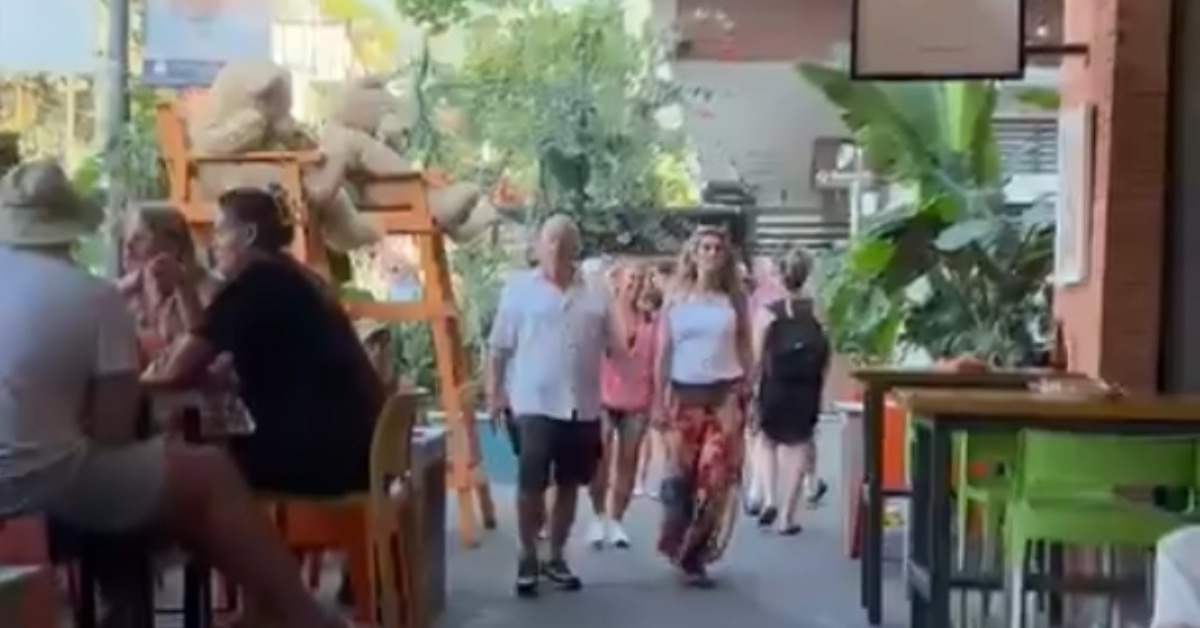
By mid-morning on Wednesday, February 25, 2026, the center of Puerto Vallarta showed signs of activity again. People walked the Malecón in small groups. Others jogged or did light exercise along the waterfront. Visitors paused to compare menus and prices. Residents picked up coffee and quick groceries. The scene contrasted with the disruptions linked to a federal operation on February 22. It also showed how quickly routines can restart in a tourism city. Most storefronts in the central zone were open. Dining rooms were serving breakfast and early lunch. Servers moved between tables as usual. Street traffic was present, but lighter than on peak days. The most noticeable change was the number of uniforms in view. Patrol vehicles were visible near key crossings. Some officers walked through the pedestrian corridor. Tourists and residents moved between downtown streets and the promenade. Many paused briefly before continuing along the waterfront. Service kept running through mid-day.
Restaurants and small businesses reopened in stages from Tuesday into Wednesday. In the tourist corridor, service continued through the day with few visible interruptions. Some businesses initially operated with reduced staffing. Others added shifts as demand returned. Hotel guests moved between beaches, the historic downtown, and nearby restaurants. Pharmacies and convenience stores drew steady foot traffic. Along the Malecón, residents exercised, and visitors took short walks between stops. Others scanned dining rooms for breakfast and lunch options. Visitors and locals shared the same sidewalks, moving between the waterfront and side streets. Foot traffic stayed steady through late morning. For many expat residents, the test is practical rather than abstract. Can errands be handled locally, on foot, and without long detours? Are the main routes clear enough for deliveries and appointments? On this stretch of town, the answer appeared to be yes during daylight hours. Conversations on sidewalks tended to stay focused on routes, schedules, and what was open. Many customers also kept an eye on official updates while they waited for tables.
Patrols and flyovers stay in place
Security remained visible as daily activity returned. Authorities kept coordinated security patrols involving municipal, state, and federal forces. Marked units and foot patrols were both in view. Overhead, residents also reported Mexican Navy helicopter flyovers. Mayor Luis Ernesto Munguía González said additional Navy and Army personnel began arriving on Monday. He said the intent was to reinforce presence across the municipality, not only the waterfront. Officials described the posture as preventive. The aim was to deter theft, keep key roads moving, and respond quickly to new incidents. The Malecón and central streets have stayed a focus because they concentrate hotels, restaurants, and public spaces. Civil protection and firefighters also stayed active after reports of vehicle fires earlier in the week. The mayor said the weekend’s damage was mainly material, including vehicles and some retail locations. Local leaders have framed the extra patrols as part of a push to stabilize commerce and tourism.
Flights and services move back toward routine
The return to the Malecón is tied to a wider reset across Jalisco. After the February 22 operation, roadblocks and vehicle fires disrupted movement in parts of the region. Flight schedules were also hit. Some airlines temporarily paused service into PVR, and travelers were rebooked or delayed. By February 24, the airport operator said operations were close to normal. It reported that about 95% of flights at Puerto Vallarta are running, with a small number still canceled. The operator said the remaining cancellations were part of a reactivation process. Most national and international carriers were already operating again, while a few continued restoring schedules. That partial recovery shaped the waterfront scene. Some visitors chose to leave as soon as flights restarted. Hotel transfers and taxis formed long lines at the airport. Others stayed and shifted plans toward daytime activities. Downtown businesses saw that decision reflected in foot traffic, as restaurants reopened and customers returned.
State officials also urged a gradual restart of economic activity and public services as conditions stabilized. In Puerto Vallarta, public transportation and taxis began returning in phases, along with app-based rides. Officials said police and civil protection staff were deployed in public spaces and commercial areas to reduce the risk of looting. Coordination was running through state and federal security channels, with municipal authorities also involved. That staggered return matters for residents who plan work, school, and appointments around mobility. It also matters for businesses that rely on staff arriving on time. In the short term, a practical indicator is consistency across several days. If patrols remain steady and schedules hold, routines usually follow. Downtown Puerto Vallarta is now showing that pattern in daylight. The Malecón is seeing steady foot traffic again. Restaurants are serving through lunch. Security remains present, and recovery is still being measured in days. The next test will be whether this weekday rhythm holds into the weekend.