A non-binding vote on the Puerto Vallarta Malecon traffic ended in a technical tie, leaving Puerto Vallarta waiting for IEPC to reveal the breakdown.
On Friday, Puerto Vallarta’s mayor admitted that three days of voting have not produced a clear winner in the fight over the future of the Malecón.
Luis Ernesto Munguía González said the citizen consultation on whether to reopen the road beside the seafront boardwalk to vehicles ended in what he called a “technical tie.” He explained that the results fall in a narrow band, with responses clustered between 47 and 52 percent on each side, but declined to say which option is slightly ahead while the count is still being certified.
The exercise, held from November 21 to 23, asked residents whether they want the Malecón to stay pedestrian only or allow cars back, and included related questions on security, police patrols and possible access hours if vehicles return. According to municipal and local reports, more than 5,000 people took part using electronic ballot boxes installed at 20 locations around the city, including downtown plazas, neighborhood parks, schools, health centers and commercial zones. The consultation ran from 9 a.m. to 6 p.m. each day and was overseen technically by Jalisco’s Electoral and Citizen Participation Institute, known as IEPC.
For now, the consultation is advisory only. It does not force city hall to adopt whichever option is a hair ahead. Instead, the stated goal is to measure public mood before the city moves forward with street works and a broader mobility plan for the center.
What a tie means for Vallarta boardwalk traffic
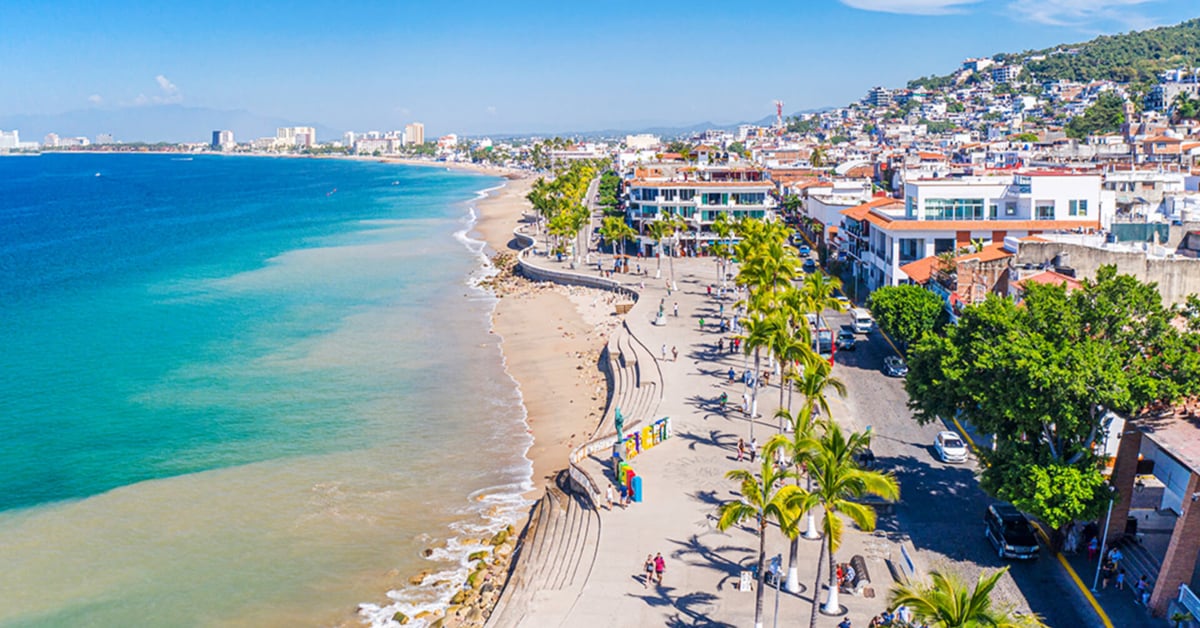
The Malecón is not just another street. It is Puerto Vallarta’s signature seafront promenade, stretching roughly a kilometer along the bay. After a major renovation completed in 2011, most of the space was redesigned as a wide pedestrian corridor with sculptures, trees, benches and a marked bike path, while vehicle traffic was pushed to parallel routes inland. Travel guides now describe the area as a car-free walkway where people can stroll, watch performances, and let kids move more freely without dodging buses and taxis.
That shift has never pleased everyone. For years, some business owners along the revamped strip have blamed the loss of curbside traffic and bus routes for weaker sales. They argue that trade fell when vehicles were removed, that some shops closed or cut staff, and that the rise of all-inclusive hotel packages has kept tourists eating and drinking inside resorts instead of heading downtown.
On the other side are residents and visitors who see the car-free Malecón as one of the few truly public spaces left in the city’s tourist core. They point to early morning joggers, families with strollers, and the nightly mix of street performers, food stalls and sunset watchers as proof that a space designed around people, not engines, has its own economic and social value. The boardwalk’s current layout, with most of its length closed to vehicles, is often highlighted as a selling point in tourism material.
The near-even split in the consultation underlines how sharply the city is divided between these two visions. A narrow victory for either side would have been politically delicate. A tie makes the decision even more sensitive, because any move toward reopening or keeping the status quo can be framed as going against almost half of those who voted.
At the same time, the consultation took place as the city pushes a separate but related project: an expansion and rehabilitation of the Malecón corridor, including drainage upgrades and the promise of two traffic lanes on an adjacent route. Officials have tried to present that plan as a way to relieve congestion, support merchants, and protect the pedestrian heart of the boardwalk. Still, the tie suggests that reassurance has not convinced everyone.
What happens after the Malecón vote
One of the key players now is IEPC Jalisco. By law, the institute is an autonomous electoral body responsible for state and municipal elections, as well as local plebiscites and referendums. In this case, it provided and supervised the electronic ballot boxes and, at its own request, will be the only institution to publish the final percentages and the breakdown of each question asked.
Munguía has said he does not know the exact day IEPC will release its report but expects it sometime next week. Until then, he is sticking to broad numbers and the “technical tie” label. Once the report is in his hands, the municipal government will have to translate raw percentages into a real-world decision that affects mobility, business and public space in the historic center.
Because the exercise is non-binding, the city is not legally forced to follow whichever side ends up slightly ahead. Officials could choose to keep the Malecón fully car-free, reopen it completely, or design a hybrid model. Around town, people are already talking about mixed options such as limited access for service vehicles, tightly controlled delivery hours, or even a weekend-only pilot to measure impacts before making any permanent change. Those ideas remain informal for now; no specific plan has been approved or put to a vote.
The consultation also fits into a wider push in Jalisco to bring more citizen input into big local decisions. State law now recognizes a range of participation tools, from popular consultations to participatory budgeting. For Puerto Vallarta, putting electronic ballot boxes in plazas and neighborhoods for a question as concrete as cars on the Malecón is a visible test of how much trust people place in these mechanisms, especially when the result is this finely balanced.
Whatever the city council decides in the end, the process has already made one thing clear. The Malecón is not just a strip of pavement by the sea; it is a symbol of what kind of city Vallartenses want to live in. A technical tie in Vallarta boardwalk traffic means the next step cannot be a simple yes-or-no. It will likely require a compromise that keeps the promenade walkable and welcoming while addressing worries about access, safety and the health of downtown businesses.
Until IEPC releases the full numbers and the city presents a concrete proposal, the only certainty is that Puerto Vallarta’s most famous street will continue to draw strong opinions, even if cars are still waiting at the curb.