Jalisco health teams boost vaccines and monitoring in Puerto Vallarta after nearby measles cases and a first case in Bahía de Banderas.
Puerto Vallarta’s health system has shifted into a higher-alert posture after measles cases were confirmed in nearby Jalisco municipalities and a first case was confirmed across the border in Bahía de Banderas, Nayarit. The move is not about dramatic closures or scare tactics. It is about speed, coverage, and containment.
Local officials say they have kept measles vaccination going year-round. Now they are leaning harder on surveillance and rapid response. That means investigating every suspected case quickly, tightening follow-up on contacts, and pushing vaccination into the places where gaps appear, including neighborhoods, schools, and public gathering spots.
The immediate worry is geography. Puerto Vallarta and Bahía de Banderas function like one metro area. People cross back and forth daily for work, school, shopping, and healthcare. When a virus that spreads through the air shows up next door, distance stops being a comfort.
Puerto Vallarta measles watch
Jalisco’s Octava Región Sanitaria, based in Puerto Vallarta, says it has intensified its measles campaign after confirmed cases in Mascota, Tomatlán, and Talpa de Allende, plus the confirmed case in Bahía de Banderas. Officials say they are treating every report of a suspected case as urgent because delays are when outbreaks take hold.
Health leaders in the region have also warned that the current pattern could change quickly. They say many of the detected cases so far have been tied to migrant populations, including agricultural workers arriving from other states. That matters because mobility can spread infection chains before anyone realizes what is happening. Officials have cautioned that if case counts continue to rise, local transmission among residents becomes more likely.
Vaccination efforts have been widened beyond clinics. Officials describe brigades going door-to-door, along with coverage at health centers, schools, and public spaces. They also say Puerto Vallarta has been pushing harder for more than a month, even before the Nayarit case was confirmed, with a focus on people considered susceptible because they are unvaccinated or missing doses.
The regional numbers help explain the urgency. Health authorities in Jalisco have reported an increase in confirmed cases in the Costa Norte–Sierra Occidental region, with Tomatlán bearing the heaviest load in that cluster, and Mascota also reporting cases. The state’s total has been reported in the hundreds, which puts pressure on local teams to keep smaller flare-ups from spreading.
Across the state line, Nayarit’s health secretary has said the confirmed case in Bahía de Banderas involves a six-year-old girl, and that additional suspected cases are under review among other children who spent time with her. Officials there also described a large vaccination brigade moving through neighborhoods to find and vaccinate people who lack the shot. At the same time, investigators map where the child went and who she was around.
Puerto Vallarta’s message to residents is simple, even if the disease is not. Check vaccine status. Take symptoms seriously. Help the health teams move fast, because speed is the only real advantage once measles enters a community.
What makes measles so hard to outrun
Measles is one of the most contagious viruses people face. It spreads through the air when an infected person breathes, coughs, or sneezes. It can also linger in the air and on surfaces for a period of time after that person leaves. That is why outbreaks can spread quickly in crowded places, such as shared housing, clinics, schools, and workplaces.
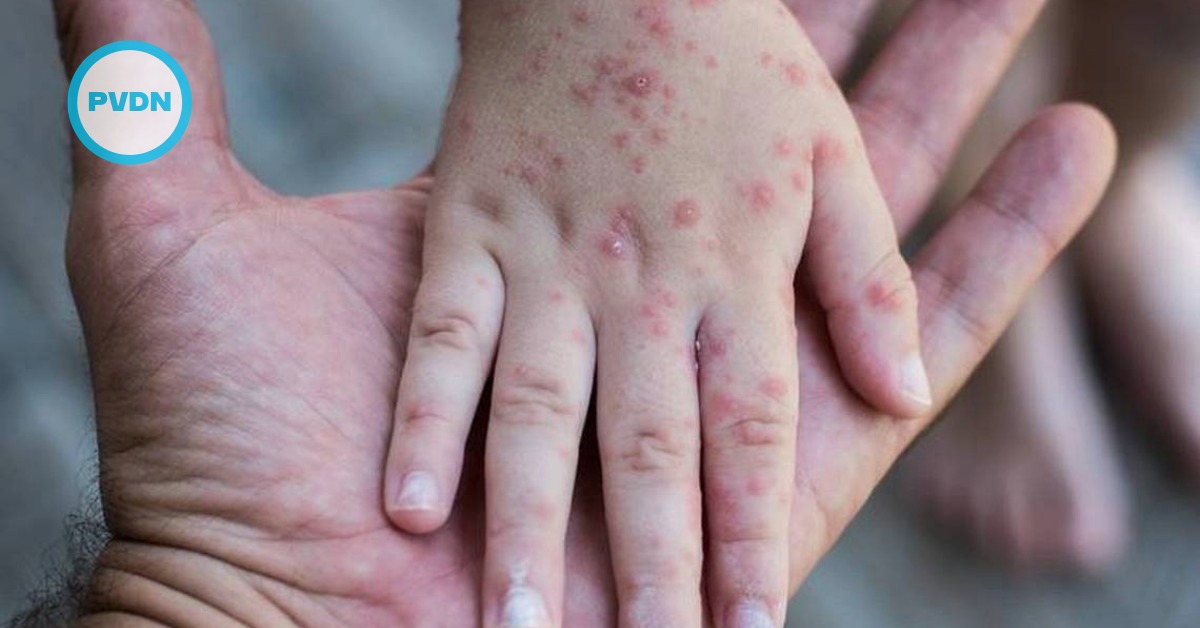
Symptoms usually start like a rough respiratory illness, with fever, cough, runny nose, and irritated eyes. The rash follows later. Public health teams pay close attention to timing, because people can spread measles before the rash appears. That is one reason officials focus on rapid investigation, isolation guidance, and contact follow-up as soon as a suspected case is reported.
Vaccination is the backbone of the response because it changes the math. Two doses of the measles-containing vaccine provide strong protection for most people. Health officials in Jalisco have also pointed to protecting infants and young children, including the use of an early “zero dose” for babies in the 6-to-11-month window during higher-risk periods, alongside the routine childhood schedule.
For Puerto Vallarta, the challenge is not just medicine. It is movement. The region is a tourism hub and a work corridor. Seasonal travel brings families, workers, and visitors into close contact in markets, buses, schools, beaches, and waiting rooms. That makes vaccine gaps more dangerous because measles finds the pockets with thin coverage.
The situation now is a reminder, not a verdict. A stepped-up watch does not mean the city is in crisis. It means health officials believe they still have a chance to stay ahead of it. The outcome depends on how quickly suspected cases are flagged, how consistently contacts are followed, and how many people close their vaccination gaps before measles reaches them.