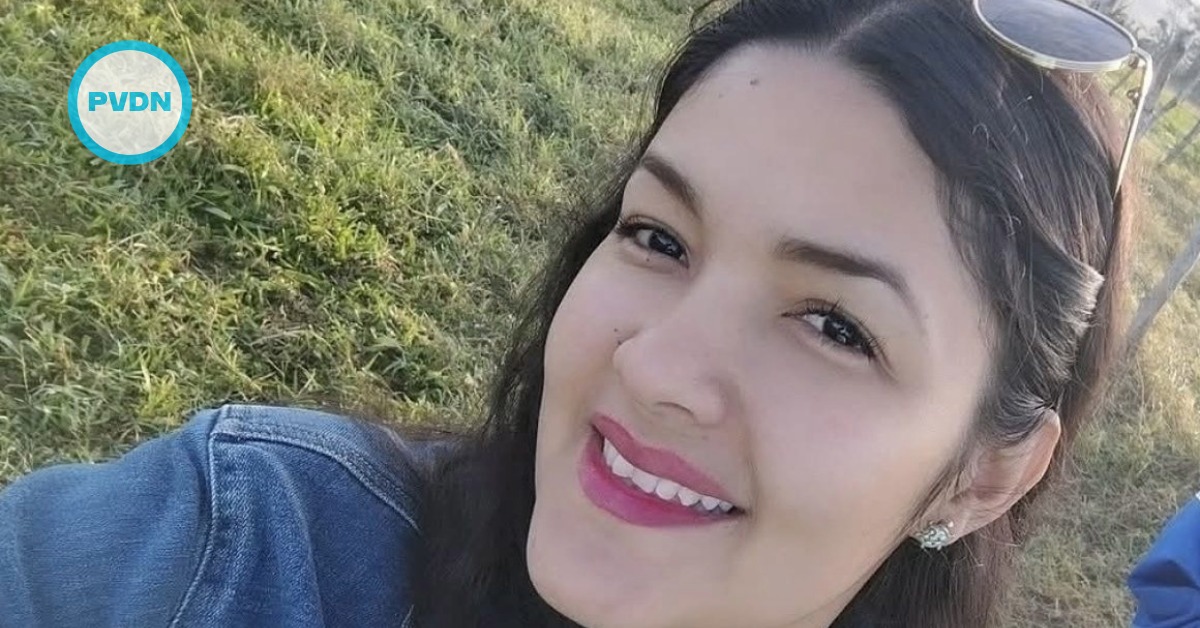
She left home for an early shift and never made it there. Two weeks later, Puerto Vallarta is mourning Clarisa Rodríguez. She was a young mother on her way to work. The crash happened on one of the city’s busiest roads. Since then, grief has mixed with anger. Coworkers remember her as steady and generous. Her family says key questions remain unanswered. They want clarity on what happened and what comes next. In a city that lives on its roads, many residents are watching closely.
Clarisa Rodríguez, a young mother from Puerto Vallarta, died Tuesday, January 27. She had spent about two weeks in intensive care. Earlier this month, she was badly hurt in a traffic collision while heading to work. Her death has left the family grieving. It has also left a city asking hard questions. Her passing was confirmed at the IMSS Hospital General de Zona No. 42. IMSS is Mexico’s public social security health system. She had remained in the ICU since the crash. In the days before her death, her name spread online. Friends and relatives also took their demands to the streets. Many foreign residents have followed the case closely. They share the same roads each day. So do thousands of locals. Public details about the driver and the official cause have been limited so far. For them, the question now is what comes next. For many, it began as an ordinary commute and ended as a public tragedy.
The crash and the two-week fight
The collision happened on January 12 at the intersection of Francisco Medina Ascencio and Fluvial Vallarta. It is one of the city’s busiest junctions. Clarisa was driving a Kia when another vehicle struck her car. The impact caused severe injuries, and she was rushed to the hospital. Accounts from relatives and officials say she required emergency care right away. Cameras in the area captured the crash. The footage later circulated as more people learned her name. At IMSS Clinic 42, doctors kept her in intensive care. She remained there for about 15 days. Relatives held vigils and shared updates as they waited for improvement. Clarisa was heading to her job at Pastelería Pavlova. Coworkers said the days after the crash felt unreal. They described her as dependable and warm. Her death ended the wait, but it did not quiet the questions about how it happened. For many residents, it is a familiar intersection on a routine route. That familiarity made the news hit harder.
Public pressure and a citywide response
As days passed without clear public updates, the family’s frustration became public. Demonstrators shut down lanes of Francisco Medina Ascencio for hours. The blockade snarled traffic through the hotel zone and Fluvial Vallarta. Some motorists complained. Others honked in support as they passed the crowd. Protesters said they wanted transparency, not just sympathy. They also wanted to know how the case was being handled. City officials arrived to speak with relatives and organizers. They said the traffic officers who responded to the crash would be temporarily removed from duty. The city also promised institutional support for the family. Officials said they would seek direct communication with state prosecutors. After talks, the lanes reopened, and cars began moving again. The anger remained, though, and it spread online. For many in Vallarta, the protest was about one life. It was also about whether road deaths are treated as urgent. Many stayed until dusk.
What is known about the investigation
State prosecutors say they opened an investigation the day of the crash. They have also said the case has moved into the court system. In recent updates, the prosecutor’s office has said it filed an action to bring the matter before a judge. A first hearing is expected to be scheduled. At that hearing, a judge reviews initial evidence and decides the next steps. For readers new to Mexico’s system, that decision can determine whether the case proceeds formally. In public reporting, the suspect is identified as Erick Roberto “N”. The initial “N” reflects a common practice of withholding full surnames. Clarisa’s relatives have alleged that the other driver was speeding. They have also alleged that alcohol may have been involved. They have questioned why there was no immediate detention. Authorities have not publicly confirmed those specific claims. The official account will depend on technical reports and what is presented in court. That process can take weeks.
Why this story hits hard in Vallarta
Francisco Medina Ascencio is more than a road in Puerto Vallarta. It is the main artery between neighborhoods, the hotel zone, and the airport. In high season, it is packed from dawn. Workers head to early shifts, and tourists head to tours. Delivery trucks and buses fight for space, too. Many expatriates use the same corridor every day. Others cross it on foot, often with children. That is why a crash at a familiar intersection can ripple so widely. Clarisa Rodríguez’s death has renewed focus on everyday traffic risks. It has also raised questions about what accountability looks like after a serious collision. For now, her family is mourning, and coworkers are grieving. Friends have called for justice and transparency. The city is waiting to see whether the legal process brings clear answers. For residents, Mexican and foreign alike, the loss is a reminder to slow down. It is a reminder that seconds matter.