A Canadian man was found dead inside a Puerto Vallarta condo, and early indications point to natural causes. Still, the scene drew police, investigators, and forensic staff, and the body was taken for a legal necropsy. For many foreign residents, that raises a basic question: why does a death that appears non-violent still trigger a formal investigation? The answer lies in how Mexico handles unattended deaths, official identification, and the practical realities when someone dies far from home.
A condo death that quickly became a legal case
Police and forensic personnel were called after a Canadian national was found dead inside a condo in Emiliano Zapata. Authorities said the report came in Tuesday afternoon from department 205 at Condominio Rincón de Alma on Constitución Street. Paramedics found a man, estimated at about 45, with no vital signs and signs that he had died earlier.
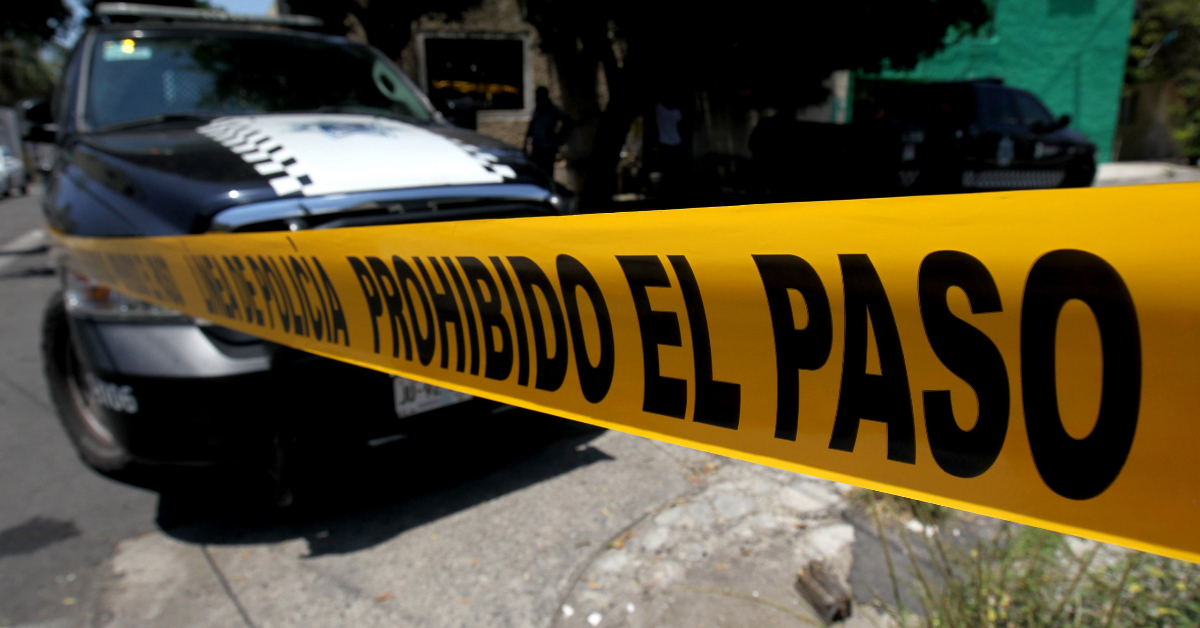
Early information pointed to natural causes, but the case did not end there. Municipal police secured the scene and notified the Ministerio Público. That office takes control when a death still requires formal legal review. Investigators and forensic staff then removed the body and sent it for a necropsy, the legal autopsy that establishes the official cause of death.
Authorities also said no close relative was present to identify the man at the scene. That meant the body could not be released right away. In Mexico, a person can be known informally to friends or neighbors yet remain unverified for official identification purposes. That distinction becomes critical once the funeral, cremation, or repatriation steps begin.
Why a death that looks natural still draws investigators
To some foreign readers, that response can seem excessive. A case may appear consistent with natural causes and still move through police, prosecutors, and forensics. The reason is simple. The death certificate, the legal cause of death, and the release of the body all depend on formal confirmation.
Mexican guidance draws a clear line between deaths that a doctor can certify and deaths that need ministerial review. When a person dies in a medical facility or at home, a treating physician can issue the death certificate for a natural death. When circumstances differ, or the cause still needs confirmation, authorities notify the Ministerio Público, and a forensic doctor may step in.
Jalisco’s forensic protocol explains that a legal necropsy is meant to determine the cause and mechanism of death and to support identification. Federal health law also distinguishes between identified bodies and those that remain unknown or unclaimed. That does not mean every case becomes a criminal case. It does explain why officials move cautiously when identity, paperwork, or the exact cause of death has not been settled.
What comes next for families and foreign residents
Once the forensic work is finished, the case usually shifts from the scene to the paperwork. Officials can then move toward the documents needed to release the body and register the death. Burial, cremation, or the return of remains to Canada depends on those steps. The process can take longer when an autopsy or toxicology work is required.
For Canadian families, consular assistance is available in Puerto Vallarta. Canada maintains a consular agency in the city for the Jalisco coast, including Puerto Vallarta itself. Consular officers can explain local procedures, help families understand document needs, and point them toward local resources. They do not investigate the death, provide legal advice, or cover burial or repatriation costs.
That is why cases like this can carry broader practical significance for foreign residents. When someone dies far from home, the first problem is often not public safety. It is knowing who can identify the person, who can receive the body, and who has the authority to make decisions. In Mexico, burial or cremation normally must be requested by the legal next of kin or a recognized representative. If those details are not clear, delays can follow even when no crime is suspected.
For now, authorities have not publicly described signs of violence. The working indication remains natural causes, but that is still preliminary. The final record depends on the necropsy and the identification process. Until then, the case remains a reminder that an apparently quiet death can still move through a formal and sometimes lengthy legal process.