Puerto Vallarta is changing how it talks about crocodiles. Jalisco’s environment agency will translate safety guidance into English and push it through hotels so visitors get the message before they hit the sand. The shift follows a string of high-profile incidents and a renewed focus on El Salado’s mangroves, where conservation and tourism meet. What does “coexistence” look like on a busy beach, and why does the law protect these animals? We went looking for answers—and what hotels will say next.
Puerto Vallarta will soon speak more plainly to its foreign guests about crocodiles. Jalisco’s Environment Secretariat (Semadet) is extending outreach in English and coordinating with the local hotel sector so safety guidance reaches visitors where they check in, dine, and sunbathe. The move follows a new working table on human–crocodile relations and marks a second stage in a broader strategy built around education, prevention, and on-the-ground response.
The official leading natural resources at Semadet, José Daniel Graff Pérez, said the goal is simple: fewer risky encounters caused by missing or misunderstood information. Materials will run in print and digital formats and circulate through the Puerto Vallarta Hotel Association so front desks, concierge teams, and in-room directories can deliver practical advice before guests head to the beach.
Crocodile Coexistence Campaign in Puerto Vallarta
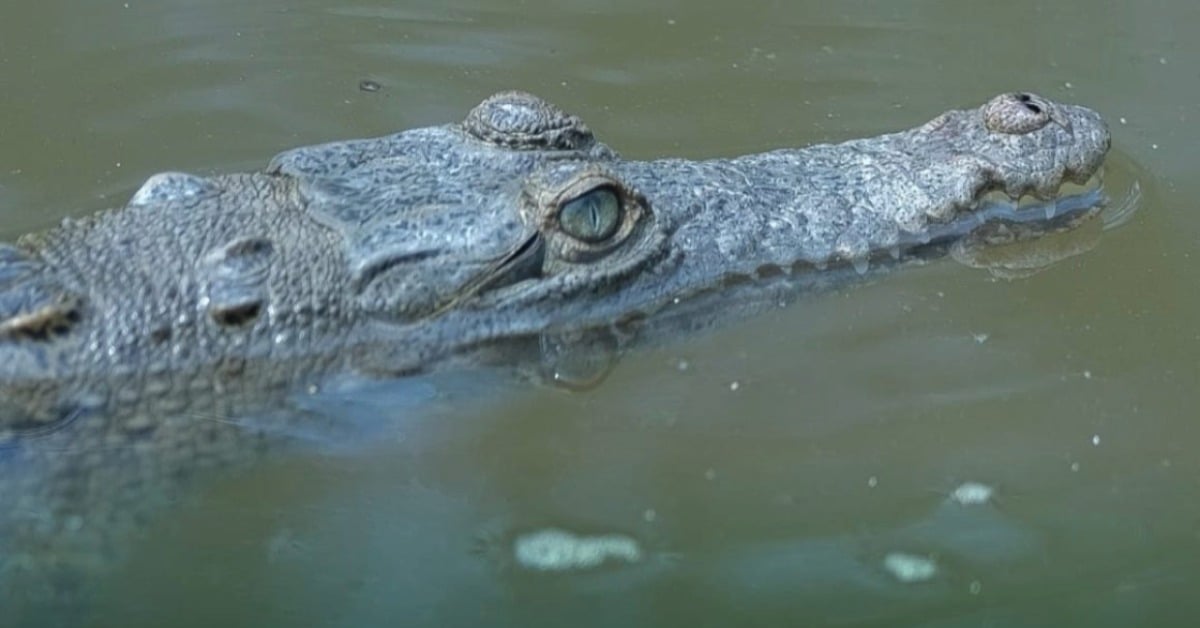
This is not a problem invented for headlines. In mid-July, lifeguards captured a 3.7-meter crocodile on a city beach, days after two adult crocodiles were killed, including one found decapitated at the protected El Salado estuary—an act authorities condemned as illegal and cruel. Those episodes crystallized the need for clear, consistent messaging that reaches both residents and tourists.
Why English matters on the shoreline
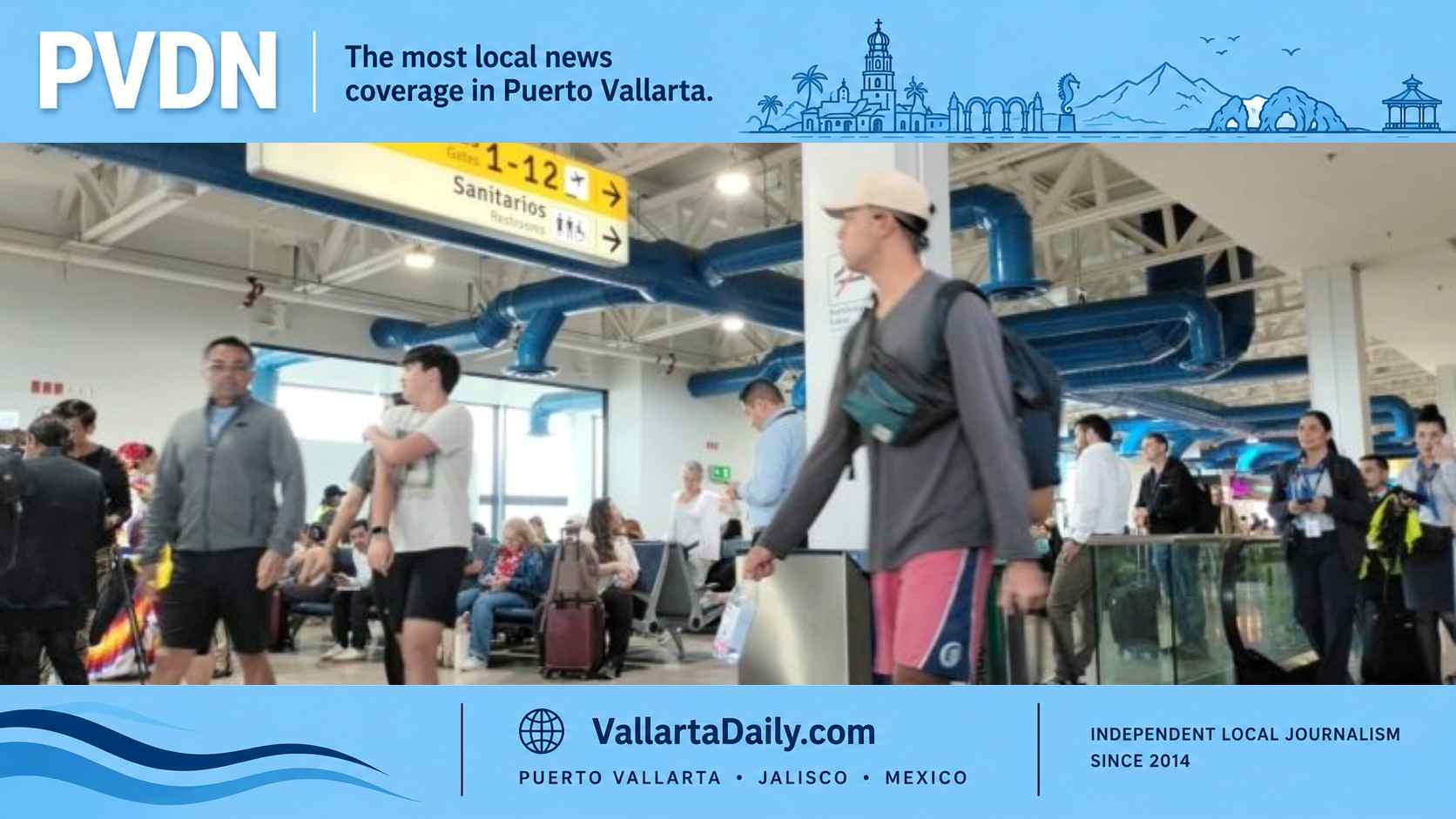
Puerto Vallarta’s visitor mix is international. Even when warnings are posted, language gaps and beach-day bravado can erode caution. Local reporting and state messaging have stressed basic rules: respect signage, never approach or feed crocodiles, and report sightings to Civil Protection. Turning those rules into short, visual guidance in English—distributed by hotels and tour operators—meets visitors where they are and reduces split-second mistakes.
Where encounters tend to happen—and why
Most crocodiles keep to estuaries and rivers, yet urban growth has tightened the border between wild and recreational spaces. In Puerto Vallarta, officials and naturalists flag Boca de Tomates, Marina Vallarta, and areas near the El Salado mangroves as routine sighting zones, especially after heavy rains or when tides push brackish water into canals. Videos of animals moving through Holi Beach crowds this spring showed how quickly a spectacle can become a hazard.
Conservation is part of the story
The American crocodile (Crocodylus acutus) lives on Mexico’s Pacific and Caribbean coasts and is protected under NOM-059-SEMARNAT-2010 as a species subject to special protection. Killing or harming them is a crime. Puerto Vallarta’s El Salado park—a 208-hectare mangrove system—anchors local conservation, rescue, and relocation work. Coexistence messaging isn’t just about avoiding bites; it’s about keeping a fragile population from being persecuted when animals wander into human spaces.
Hotels as first responders to curiosity
Semadet’s plan to channel materials through the Puerto Vallarta Hotel Association leverages the city’s most consistent point of contact with foreigners. Staff can explain why a canal path is fenced, why a beach area is cordoned, or why a nocturnal swim near an estuary is a bad idea. The same playbook—clear signage, trained staff, and rapid reporting—has helped other coastal cities reduce risky contact with wildlife. Puerto Vallarta is adapting that model to its own geography and visitor flow.
As the rainy season advances, the English-language push is arriving at the right moment. The goal is not to alarm travelers but to give them the same local knowledge residents grow up with: certain beaches sit beside mangroves, rivers shift with storms, and a respectful distance keeps everyone safe. When visitors understand the landscape—and the laws—good choices follow.