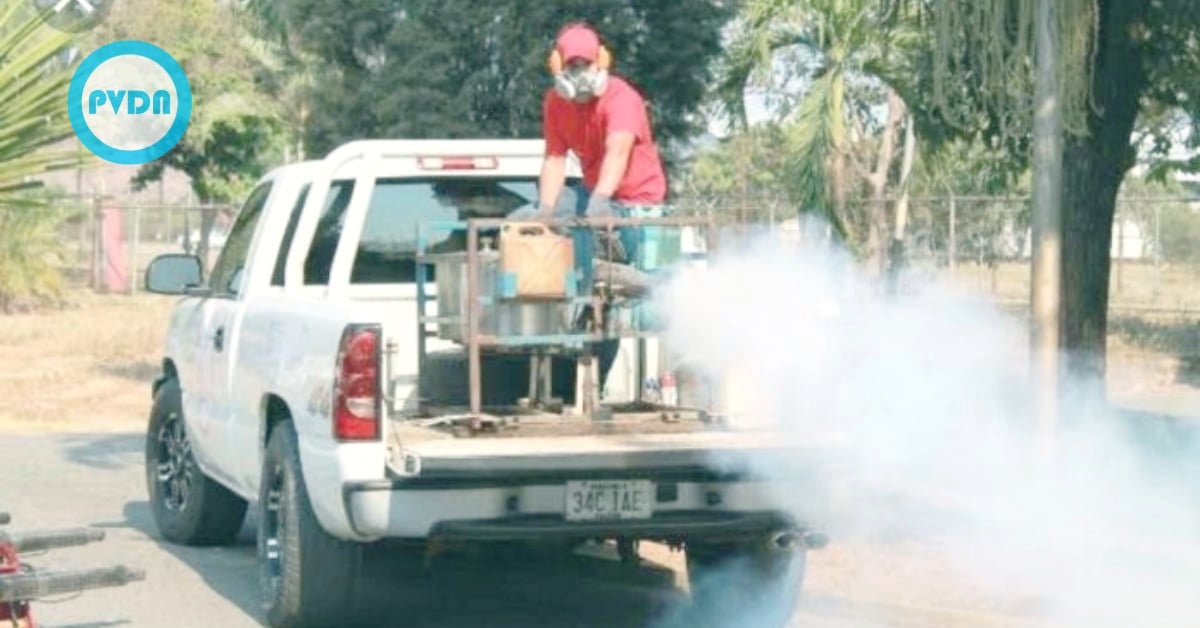
Puerto Vallarta is bracing for its most dangerous stretch of the rainy season, as dengue cases in the area have surpassed 150 this year, and health officials say October is the month to watch. The city’s vector-control crews are back on the streets, using trucks, backpack sprayers, and conducting door-to-door visits to target standing water and mosquito breeding sites. Jalisco remains among the national hotspots, driven in part by the reemergence of the DEN-3 serotype. With schools in session and humidity still high, authorities say that prevention at home is the key to making a difference.
Puerto Vallarta has reported 150 confirmed dengue cases in 2025, with most of them located within Sanitary Region VIII, which encompasses the city and its surrounding communities. Local officials say October is typically when risk peaks, and they are urging households to eliminate standing water and allow access for vector-control brigades.
State health authorities report that Jalisco has been one of the country’s leaders in dengue cases through much of 2025, even as weekly counts fluctuate. Federal surveillance places Mexico in an active year—though far below last year’s historic regional surge—which keeps pressure on coastal cities like Vallarta as rains linger.
Puerto Vallarta dengue
Municipal crews and the Jalisco Health Secretariat have expanded fumigation and larval control in neighborhoods with the highest number of reports, using heat maps to prioritize blocks and revisiting zones after rainfall. Earlier this season, authorities covered thousands of city blocks, and those routes are being refreshed as humidity and backyard containers invite new mosquito breeding. The message: chemicals alone won’t break transmission without residents dumping water from buckets, planters, and roof catchments.
What’s driving concern is not only the number of cases, but the circulation of serotype DENV-3, which Jalisco officials flagged last year after a decade without significant presence. When a community hasn’t seen a serotype in years, more people lack immunity, and clusters can grow faster—even if most infections remain non-severe. That reality explains why authorities are warning that October, with warm nights and intermittent storms, can lead to a sharp increase in cases.
State dashboards and local broadcasts echo the same warning: Puerto Vallarta has crossed the 150-case mark, and while 2025 is tracking lower than 2024’s historic highs across the Americas, complacency now could reverse the trend. In plain terms, the risk sits in our patios and stairwells—flowerpots, pet bowls, and rooftop tanks. Health brigades continue knocking; opening the door and clearing containers is still the most effective step any family can take this month.
What to watch this month
As schools return from long weekends and events pack the calendar, households can expect more neighborhood sweeps and evening fogging runs. Officials say the goal is to keep case growth flat through late October and into November, when the weather finally cools and the mosquito population dips. For now, Vallarta remains under close watch alongside other Jalisco municipalities, and the city’s message is steady: eliminate breeding sites, use repellent, and report new clusters so crews can respond quickly.
Local health leaders emphasize that the situation is serious but manageable if residents prioritize prevention. That means five-minute checks after every rain, screens on windows, and cooperation when teams arrive in your block. With Puerto Vallarta’s dengue cases already surpassing 150, October will be the test. How we handle the next few weeks will decide whether the season winds down quietly—or not.