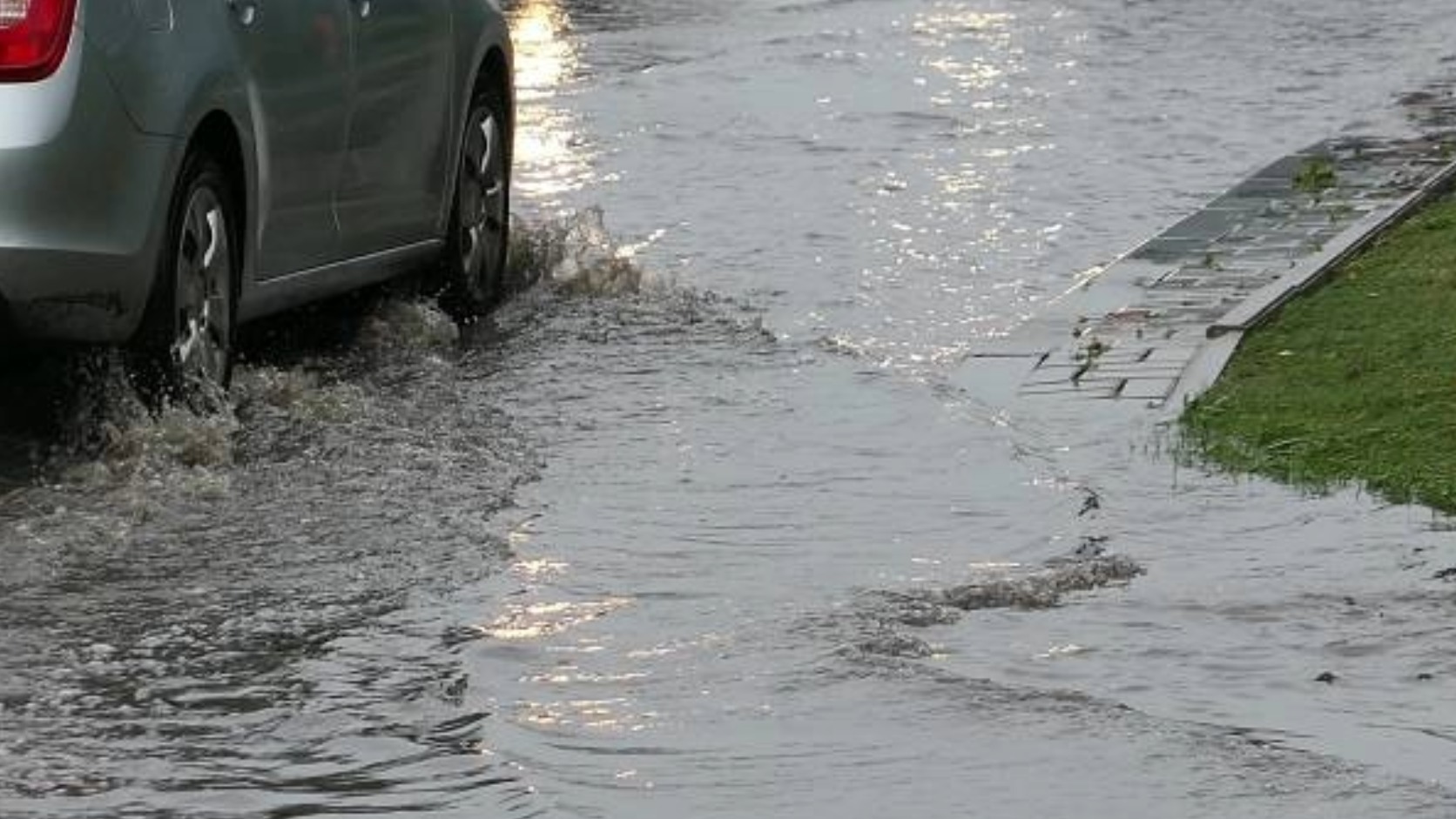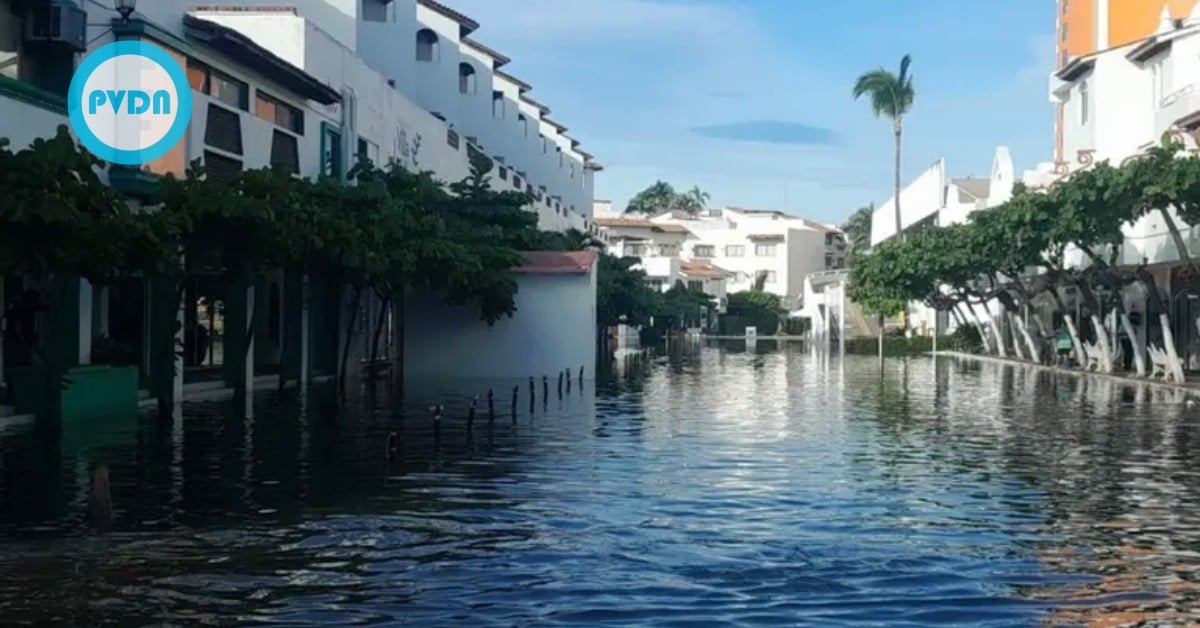
Seawater ran across parts of Puerto Vallarta’s shoreline Tuesday morning as high tide and Hurricane Priscilla’s powerful swell combined to shove waves past the beach and onto coastal roads. Authorities closed the Malecón and posted red flags along city beaches while crews monitored Las Glorias and other low-lying spots. Traffic slowed on Francisco Medina Ascencio as surf lapped the curb. Officials urged people to stay away from the water and follow only official updates while Priscilla strengthened offshore and kept the Pacific unsettled.
Puerto Vallarta flooding
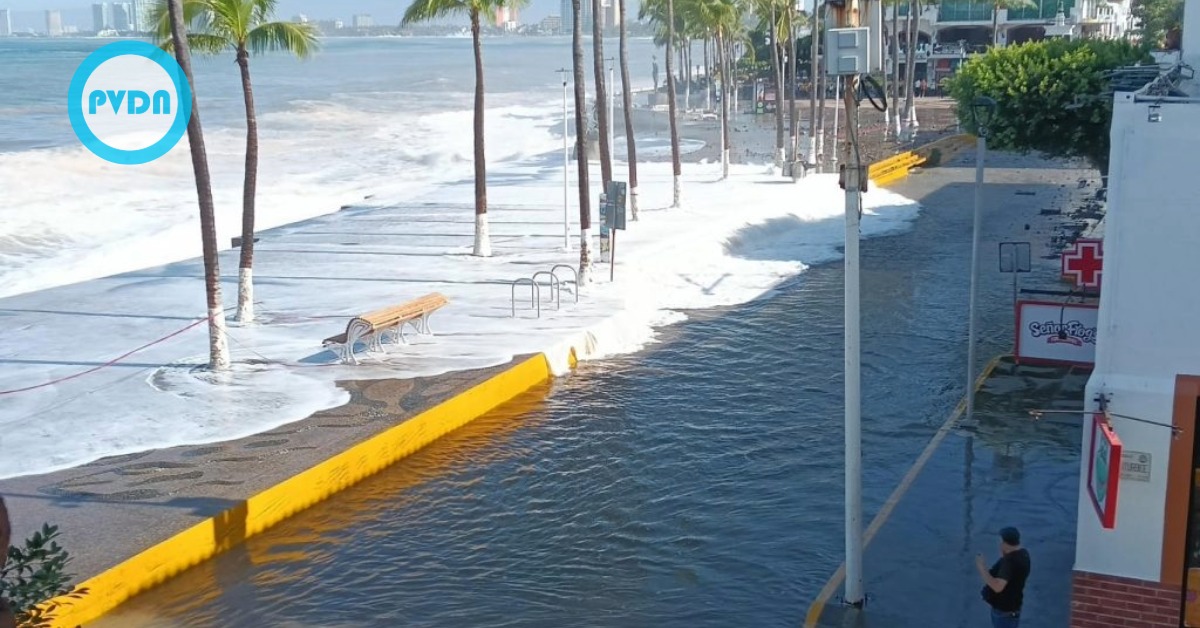
The sea pushed into Puerto Vallarta’s waterfront early Tuesday as a pulse of high tide met long-period swell from Hurricane Priscilla, sending water over the beach line and across sections of the coastal strip. At Las Glorias, waves about a meter high rolled toward Francisco Medina Ascencio Avenue, briefly splashing the edge of traffic lanes and slowing cars. A similar run-up was reported near the port administration and along the route to the Versailles service station, where seawater reached curb level on some coastal roads. Puerto Vallarta flooding remained shallow but disruptive.
City officials closed access along the Malecón as a precaution, warning of rip currents and rogue sets strong enough to knock people off their feet. Jalisco civil protection extended red-flag warnings across municipal beaches and asked residents and visitors to stay well back from the shore. Local lifeguards and road crews patrolled the low-lying sections most exposed to wave run-up.
Hurricane Priscilla intensified to Category 2 off Mexico’s west coast on Tuesday, keeping heavy surf aimed at the Bay of Banderas even without strong winds or rain in the city center. Forecasts from Mexico’s national weather service (SMN) placed the hurricane south-southwest of Cabo Corrientes, with bands capable of producing dangerous surf and rip currents along Jalisco’s coast as the system tracked offshore. International bulletins and national outlets said Priscilla could flirt with major-hurricane strength before weakening later in the week.
Drivers along the main boulevard found saltwater pooling at the edge of lanes in spurts as wave sets peaked, most noticeably near Las Glorias. Morning videos from local media showed surf slamming the port frontage and splashing past the seawall, a reminder that tide timing can turn a routine swell into street-level nuisance flooding. City public works said closures would be adjusted block by block in step with the tide and swell cycle.
What authorities are doing
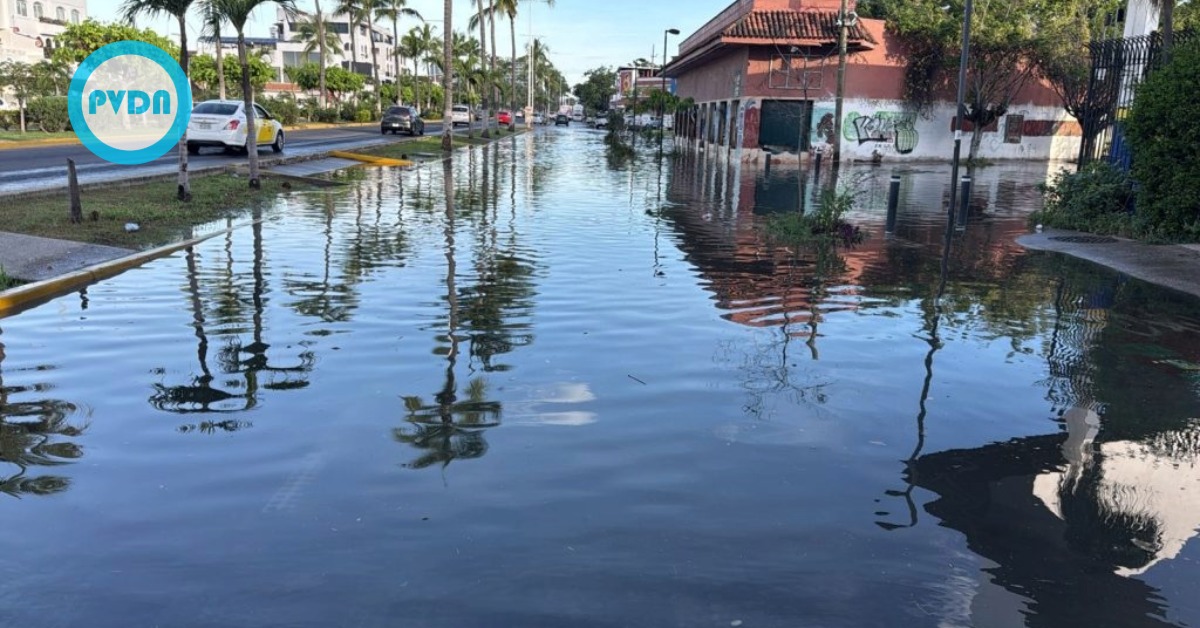
Civil protection teams from the city and state maintained continuous patrols along the waterfront, urging voluntary evacuations in the lowest coastal pockets and keeping pedestrians off the Malecón while conditions remained volatile. Officials stressed a simple message: don’t sightsee at the edge of the water, and rely only on updates from government channels. Beach closures and red flags remained in place as wave heights varied through the morning with the tide.
The broader forecast kept Puerto Vallarta on alert for intermittent downpours, gusts, and more rounds of strong surf as Priscilla lingered offshore. The SMN said the system’s outer effects could trigger flash-flooding in low spots elsewhere along the coast. At the same time, the National Hurricane Center and international wires noted swells and rip currents as the most immediate hazard for Jalisco’s beaches. Locally, authorities framed Tuesday’s impacts as “high-tide flooding” rather than storm surge, but the advice was the same: keep distance, let crews work, and watch official updates as the tide turns.
Puerto Vallarta’s shoreline saw high-tide street flooding when Hurricane Priscilla’s swell stacked on the morning tide. The city closed the Malecón, flagged beaches red, and asked people to give the ocean a wide berth until the water settles.