A pop-up clinic in an unlikely parking lot. A vaccine line that moved faster than expected. And a coastal city that’s suddenly at the center of a national public-health race. In Puerto Vallarta and nearby towns, officials say as many as 40,000 measles shots went into arms in just seven days, as teams fanned out from health centers to supermarkets, schools, and even the airport. What changed, who is being prioritized, and what residents—especially newcomers—should check now?
A week that changed the pace of the campaign
Puerto Vallarta’s intensive measles vaccination push is moving faster than early projections, with health officials reporting that between 35,000 and 40,000 doses have already been administered across the city and surrounding area during the first week alone. The figure was shared by Dr. Jaime Álvarez Zayas, who leads the Eighth Health Region of the Jalisco Ministry of Health, the local jurisdiction coordinating the rollout.
That first-week total matters because the vaccination drive was designed as a sustained, three-week surge, meant to close immunity gaps quickly and reduce the chances of wider spread. Instead, the campaign’s early turnout has pushed daily numbers into the 5,000–6,000 range—an unusually high clip for a region where access and schedules often decide whether people get vaccinated at all.
Vaccination goes where people already are
Part of the jump is logistical: the campaign is meeting residents where they already move through on a normal day. In addition to regular health centers, vaccination points have been set up in high-traffic locations, including a weekend module at Costco, where more than 1,000 doses were administered over Saturday and Sunday, and a strong turnout at Macroplaza, with roughly another 1,000 vaccinations reported there.
Other modules have operated at familiar anchors such as Soriana Pitillal and the Puerto Vallarta airport, alongside neighborhood points like Mojoneras and Ixtapa. The idea is straightforward—remove friction. If the vaccine is available where families shop, commute, or travel, the decision becomes less about planning and more about taking five minutes when the opportunity appears.
Local authorities have also leaned on institutional support to expand staffing and hours. Municipal teams and university health brigades have been brought in to keep lines moving and to sustain the pace needed for a three-week effort.
Why the urgency feels different this time
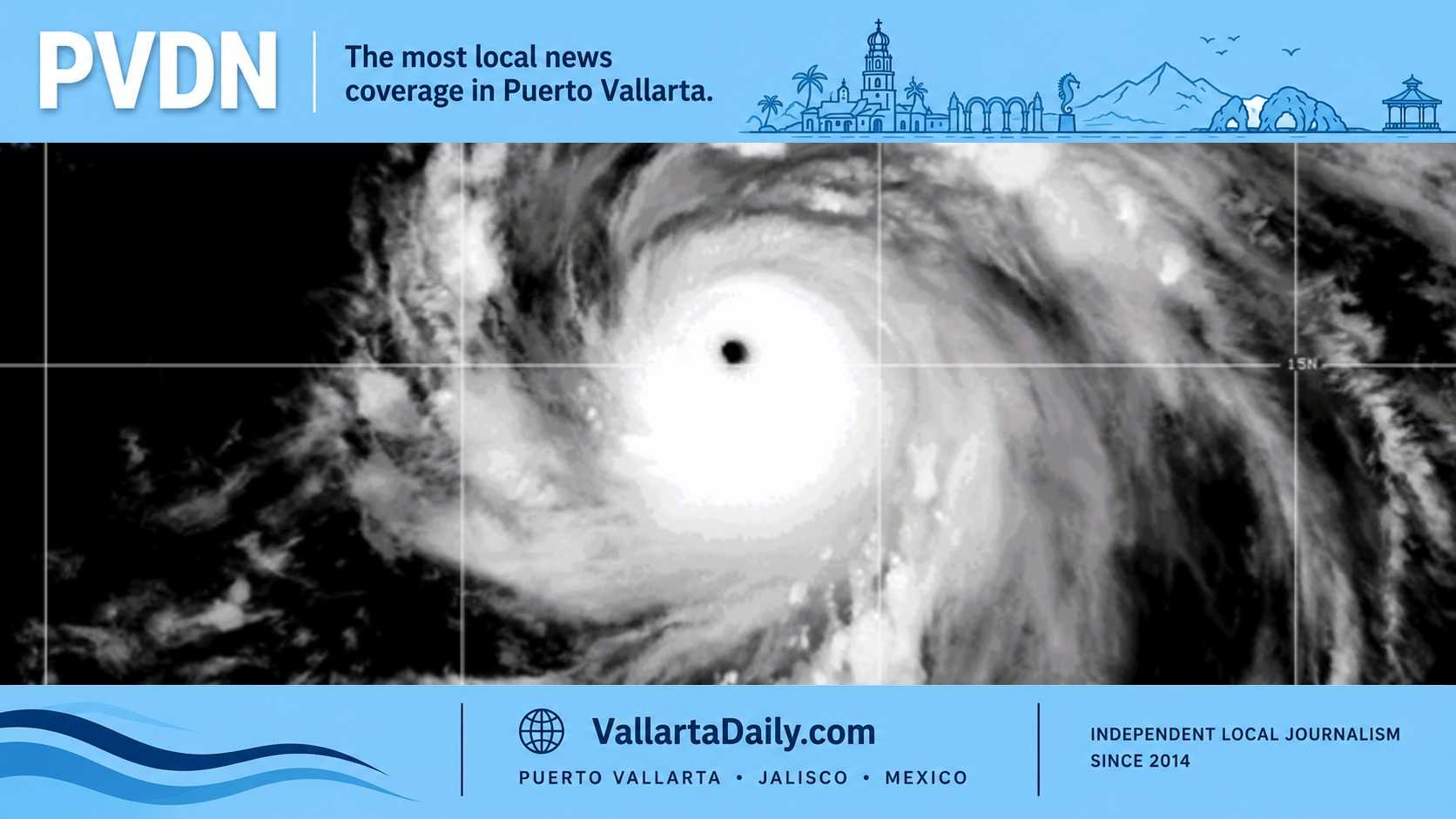
The scale of the rollout is closely tied to a reality that’s uncomfortable but clear: measles is not theoretical right now. Health officials in Puerto Vallarta have confirmed three measles cases in the municipality so far this year, and two additional cases are under investigation after being flagged as suspected infections in children who are siblings of the third confirmed case.
That local situation sits within a wider national backdrop of increasing measles transmission, which has driven states to accelerate vaccination and strengthen surveillance. Measles is one of the most contagious viral illnesses in circulation, spreading through the air and capable of causing serious complications, including pneumonia, especially among unvaccinated people and other vulnerable groups. In a destination city that constantly receives visitors—by road, bus, and plane—public health teams are treating speed as a form of prevention.
What expat residents should take from the numbers
For expats living in the Bay, the headline number—up to 40,000 doses in a week—is less about bureaucracy and more about signal. It says local health authorities are trying to get ahead of the virus before it becomes harder to contain, and they’re building a campaign around real-world habits: weekend errands, school schedules, and airport traffic.
If you grew up outside Mexico, you may recognize the measles shot as the MMR vaccine. In Mexico, the combined vaccine is commonly referred to as SRP, and routine childhood vaccination is based on multiple doses. During outbreak responses, health authorities often prioritize people who are missing doses, unsure of their records, or who never completed the standard schedule. That can include children who need their routine doses, as well as adults aged 10–49 when documentation is unclear and immunity gaps are suspected.
The simplest practical takeaway is to treat this as a prompt to check your own paperwork, not a reason to panic. If you have children in local schools, a quick review of their vaccination card can clarify whether they’re fully protected. If you’re an adult who isn’t sure what you received years ago—or you’re hosting visiting family—this is the moment to verify rather than assume. The campaign’s reach into public spaces suggests officials expect people who don’t routinely visit clinics to be part of the solution.