Puerto Vallarta’s next environmental promise is less about another cleanup and more about tracing where plastic waste starts. The city is moving toward WWF’s Plastic Smart Cities program, a global strategy that begins with data before it reaches pilot projects or enforcement. The harder part starts after the signing, when the city has to show whether it can turn cleanups, public pressure, and municipal waste rules into measurable change for Banderas Bay.
Vallarta’s Plastic Fight Is About to Get Serious Now
Puerto Vallarta is moving to join WWF’s Plastic Smart Cities program through a municipal process that would start with a diagnostic of plastic waste before the city writes a broader action plan.
Municipal documents show the proposal was introduced in Cabildo on May 11, then sent to environmental and beach commissions for study after a 15-to-0 vote. The file names World Wildlife Fund Inc. as the partner and frames the goal as reducing plastic use in the city while moving toward zero plastic in nature by 2030.
A separate municipal initiative seeks authorization for Mayor Luis Ernesto Munguía González, Secretary General José Juan Velázquez Hernández, and Terrance Vincent O’Halloran Lepe, listed as territory and sustainable city official, to sign the collaboration agreement on June 5 during the Ruta Azul event.
If the signing proceeds as scheduled, Puerto Vallarta would become the third Mexican city tied to the strategy. The program’s Latin America page already lists Guadalajara and La Paz among Mexican entries.
A cleanup problem moves upstream
The city already knows what appears after waste reaches beaches, rivers, and the bay. The new plan asks a harder question: where the plastic waste begins and how it moves through streets, drains, rivers, and collection systems before it reaches Banderas Bay.
Ixchel López Olvera, director of WWF Mexico’s Oceans Program, said the program aims to prevent plastics from entering ecosystems.
“Plastic Smart Cities is not only about doing cleanups or removing what already exists in the sea, but about preventing it from reaching the sea,” López said in remarks after the briefing.
She described five stages for the work, beginning with an institutional commitment, followed by a diagnostic, an action plan, pilot projects, and monitoring. The program’s own framework uses the same sequence, moving from a declaration of intent to baseline assessment, city action plan, implementation, and monitoring and evaluation.
That order matters because repeated cleanups have shown the scale of the visible problem without answering the source question. A recent Las Glorias beach cleanup removed plastic, aluminum, glass, and cigarette butts from one urban beach, while an April cleanup in the Pitillal River pulled two tons of waste from a waterway that can carry trash toward the bay.
What the city has not measured yet
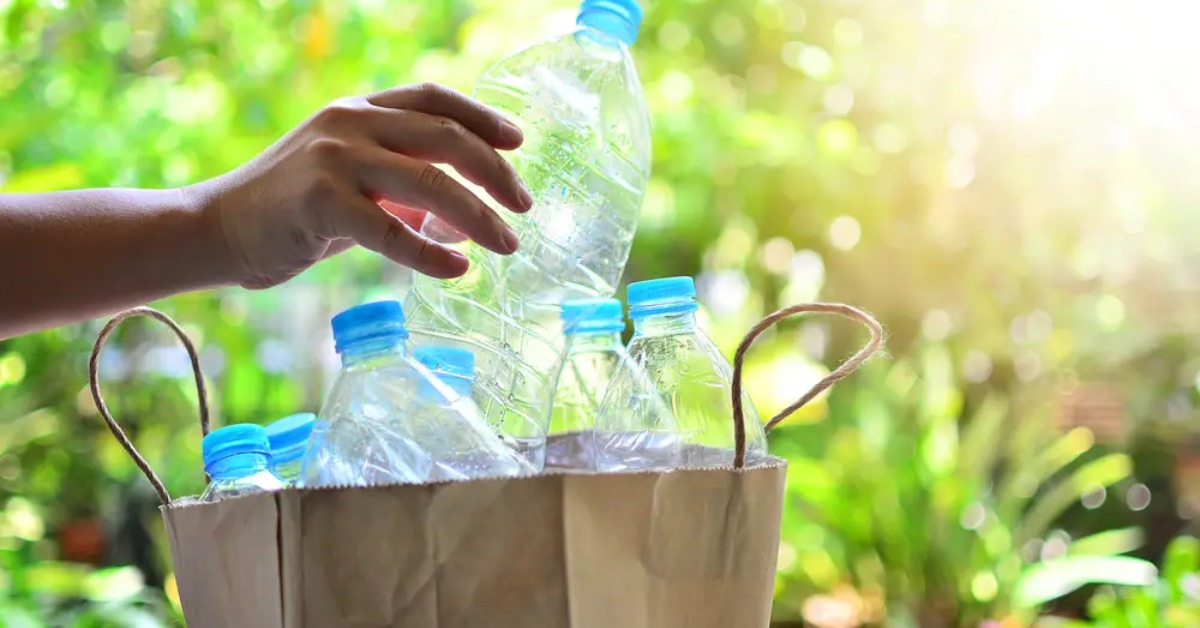
During the briefing, López said cleanups have already identified common types of waste, including plastic bottles, disposable containers, and pieces of Styrofoam. She also acknowledged that officials still lack precise information on where those materials are coming from.
That gap is the main test for the agreement. The diagnostic would have to separate beach litter from river waste, commercial waste, tourism pressure, household disposal, informal dumping, and weak collection points. Without that, the program risks becoming another cleanup campaign with a larger logo.
WWF describes Plastic Smart Cities as a strategy to help cities cut plastic leakage into nature. It says the initiative has supported more than 40 cities and coastal centers since 2018, with a short-term goal of reducing plastic leakage by 30 percent and a 2030 goal of eliminating plastic in the natural environment.
A local plan with a public record
The municipal initiative states that plastic pollution affects terrestrial and marine ecosystems, biodiversity, public health, and quality of life. It also points to single-use plastics and inadequate disposal as causes of waste ending up in rivers, seas, beaches, and natural spaces.
The document does not yet spell out enforcement measures, budget changes, or specific rules for businesses. Those details would fall under the later action plan and pilot phase, after the diagnostic identifies where the waste enters the system.
Officials have also attached public activities to the launch. The schedule announced with the agreement includes a Río Cuale cleanup on June 6 and a photo exhibition at the Puerto Vallarta airport beginning June 8.