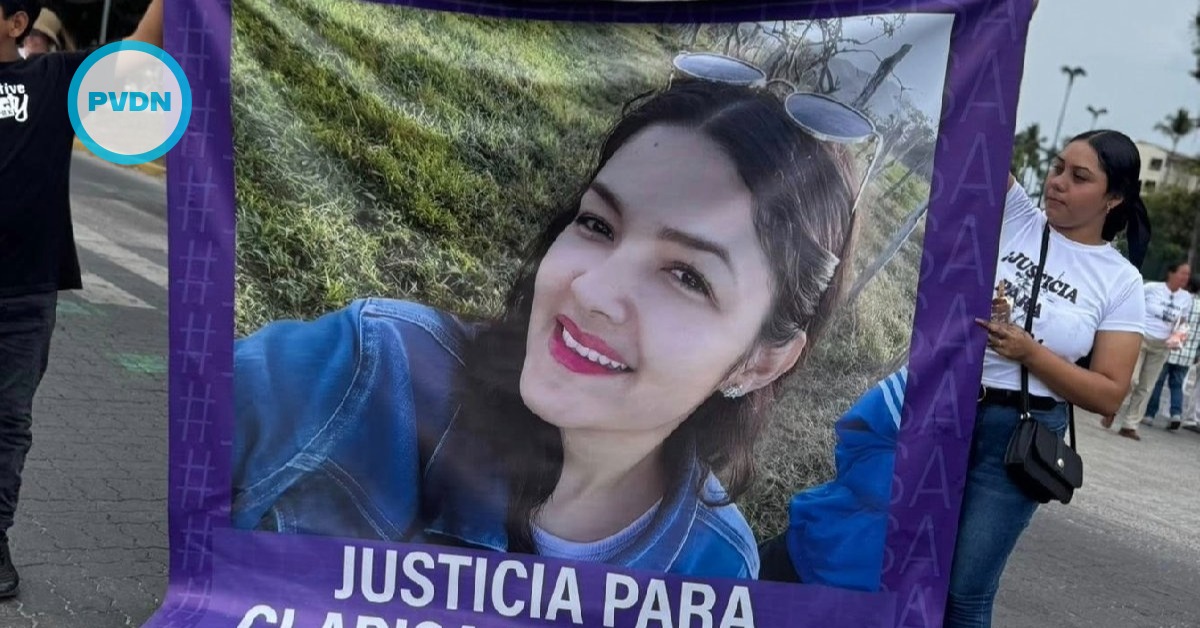
For nearly 24 hours, Puerto Vallarta’s main thoroughfares have been at a standstill. A determined group of residents and family members began blocking key intersections on Friday morning, demanding justice for a young mother named Clarisa Rodríguez. The unexpected blockade – sparked by a tragic car accident that claimed Clarisa’s life – has brought daily life and tourism to a crawl. Some travelers, desperate to catch flights, have even resorted to walking down the highway with luggage in tow. As dawn breaks on Saturday with no end in sight, the question on everyone’s mind is how far the demonstrators will go to get the answers they seek.
24 Hours of Blockades in Puerto Vallarta
Puerto Vallarta has effectively been split in two by an unprecedented day-long protest. Starting early Friday, dozens of demonstrators took to the streets and shut down Francisco Medina Ascencio Boulevard, the city’s main entry and exit road. This is the principal route to Puerto Vallarta’s airport and northern neighborhoods, so the impact was immediate and far-reaching. Commuters found themselves in gridlock, and tourists bound for flights were seen hauling their suitcases along the roadside. By Friday evening, as the blockade stretched past the 12-hour mark, long lines of idle vehicles snaked through alternate routes – a clear sign that the usually laid-back resort city was in crisis. Still, the protesters held their ground. They set up an impromptu camp at a major intersection near a busy shopping center, vowing to remain through the night. By Saturday morning, their demonstration had surpassed 24 hours, a rare occurrence in this coastal city. Frustration flared at times – a few irate motorists confronted the protesters – but the core group remained peaceful and resolute. They’ve repeatedly emphasized that their fight is “not against the people, but against the lack of justice.” For now, Puerto Vallarta’s normally steady flow of traffic remains choked off, and residents are anxiously watching to see when relief will come.
The Tragic Case of Clarisa Rodríguez
At the heart of this upheaval is the story of Clarisa Rodríguez, a 28-year-old mother and local resident. Earlier this month, on January 12, Clarisa was driving to work in her compact car when tragedy struck. As she made a legal U-turn at a busy intersection, another vehicle slammed into her at high speed. Witnesses later recounted that the other driver blew through a red light and appeared to be intoxicated at the time. The violent impact left Clarisa with a severe brain injury; her car was a crumpled wreck. She was rushed to a hospital and spent two agonizing weeks in intensive care, never regaining consciousness. Despite doctors’ efforts, Clarisa’s injuries proved too grave – she died on January 27, leaving behind a grieving husband and a young son. News of her death spread quickly through Puerto Vallarta, sparking an outpouring of anger and sorrow. Clarisa was known as a hardworking bakery employee and a devoted mother, and many in the community took her loss personally. Almost immediately, calls for “Justicia para Clarisa” – justice for Clarisa – began echoing across local social media. What might have been seen as a horrific but simple traffic accident has since become a rallying cry for citizens outraged by how the case has been handled.
Cover-Up Claims and Official Investigation
The protests aren’t just about the accident itself – they’re fueled by a deep distrust in how authorities dealt with the aftermath. Clarisa’s family and supporters claim there was a chain of negligence that robbed them of true justice. They point out that four municipal traffic officers who responded to the crash did not detain the other driver at the scene, even though witnesses said he was clearly under the influence. Instead, the suspect – identified only as a local man in his 20s – was taken to a private hospital for his own minor injuries. There, according to Clarisa’s husband, crucial blood alcohol tests were delayed or never properly conducted. By the time officials sought evidence of intoxication, it was too late to get an accurate reading. These alleged omissions have led the family to suspect an attempted cover-up to protect the driver. In fact, days before Clarisa passed away, local authorities suspended the four officers involved pending an inquiry. Now the issue has caught the attention of higher authorities: Jalisco state’s Anti-Corruption Prosecutor has opened a formal investigation into all public officials who handled the case. Investigators are examining whether police, transit agents, or even hospital staff showed favoritism or failed to follow protocol when dealing with the driver. They have publicly urged any eyewitnesses to come forward – whether someone who saw the crash or observed officers at the scene – and share what they know. This week, state officials confirmed that the suspected driver has been located and that prosecutors have filed a case in court. A judge is expected to schedule a hearing soon to formally charge him in Clarisa’s death. But for the protesters on Puerto Vallarta’s streets, those assurances aren’t enough. They want to see arrests, accountability, and transparency, not just promises.
Demands and What’s Next
As the weekend begins, the demonstrators show no signs of backing down. Through handmade signs and chants, they have made their demands plain. First and foremost, they call for the driver involved in Clarisa’s crash to face the full weight of the law for what they consider not an accident but a homicide. Equally vocal is their demand to hold the authorities accountable – the rallying cry “No fue accidente, fue encubrimiento” (“It wasn’t an accident, it was a cover-up”) has been heard at the blockade. Puerto Vallarta’s municipal government has tried to maintain dialogue, even sending representatives to meet the protesters earlier in the week, but the crowd insists that only concrete action will disperse them. In their view, justice delayed is justice denied. They are prepared to keep the city’s main artery closed until they see real progress: the firing or charging of any officials who mishandled the case, and formal charges brought against the driver. The situation puts pressure on Jalisco state authorities as well, who are keenly aware of the economic and social toll a prolonged blockade could exact on the tourist city. By Saturday morning, small contingents of protesters were rotating in shifts – some holding their position at the Sam’s Club intersection, others considering moving to government buildings to make their point. It’s a tense standoff, and the coming hours will be critical. Puerto Vallarta’s residents, from taxi drivers to hotel workers to expats, are watching closely. Everyone is hoping for a swift resolution that addresses the community’s demand for justice while allowing the city to return to normal. Until then, Puerto Vallarta remains at the mercy of this extraordinary protest born from tragedy.