Puerto Vallarta has issued a preventive beach alert, warning that possible mar de fondo could change surf conditions in the coming days. The notice is not just about bigger waves. It is about how quickly beach conditions can shift, even when the weather seems calm. For residents, expats, and visitors, the key question now is not whether the sand looks safe at a glance, but how closely people follow flags, lifeguards, and official daily updates.
What the alert means right now
Puerto Vallarta has issued a preventive alert for possible mar de fondo on local beaches in the next few days. Municipal Civil Protection and firefighters said they will monitor conditions and adjust beach warnings as needed. For residents and visitors, the important point is simple. This is not weather that should be judged by a calm sky alone. Mar de fondo can arrive when conditions look manageable from the sand, then turn rough fast at the shoreline. That is why officials are asking people to follow lifeguard instructions and watch the beach flag system closely. The notice is preventive for now, which means authorities are warning before conditions fully develop. That matters in Puerto Vallarta, where many people build their day around the beach. Morning walks, swimming, paddleboarding, and family outings can all be affected by stronger surf. If conditions worsen, access and swimming rules may change beach by beach, not all at once.
Why mar de fondo gets underestimated
The term mar de fondo is common on Mexico’s Pacific coast, but many people still mistake it for rough water. It is a long, energetic swell generated far from shore by storms at sea. Those swells can travel long distances and arrive in sets that push farther up the beach than people expect. The danger is not only bigger waves. It is also the way the water returns, which can produce strong rip currents and a sudden pull near shore. That is one reason these alerts matter even when the local weather does not look dramatic. A beach can seem swimmable between sets, then become hazardous in seconds. For people who live in Vallarta year-round, the pattern is familiar. For newer residents and visitors, it can be easy to underestimate, especially near shore. Federal civil protection guidance states that mar de fondo can occur at any time, though it is more common in warmer months.
Why this alert fits the wider forecast
The local warning did not appear in a vacuum. Federal marine reporting for Jalisco and Colima had already indicated that the surf was gradually building due to the mar de fondo. A broader Pacific forecast from the Navy also warned of elevated surf along the central Pacific coast. Taken together, that gives useful context to the municipal alert. Local officials are responding to a broader regional setup, not to a single isolated wave event. That is usually the best time to pay attention, before the strongest impacts reach the beach. In practical terms, people should expect changing conditions, not one forecast that stays fixed all day. A beach that looks acceptable early can become riskier by afternoon. That is especially relevant in Puerto Vallarta, where beach conditions affect residents, hotels, tour operators, vendors, and neighborhoods near shore. That matters for daily routines. The safest approach is to treat the alert as an early warning, not background noise.
What residents and visitors should do next
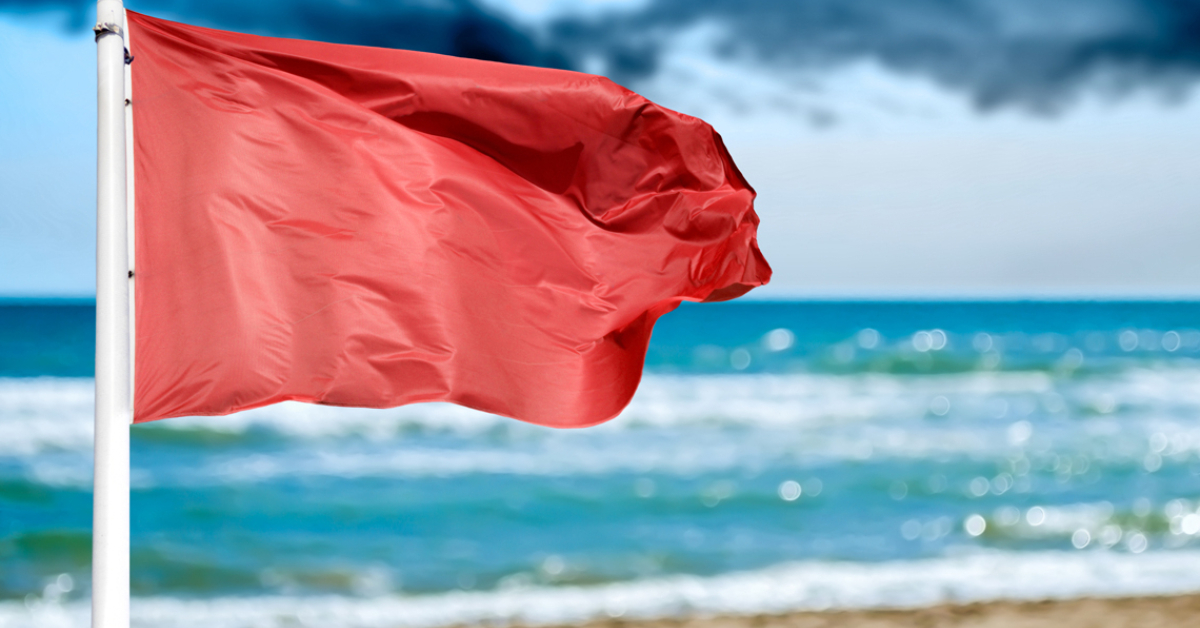
The most useful response is also the simplest. Respect the flags, listen to lifeguards, and do not assume water experience is enough. When red flags go up, stay out of the sea. When caution flags are posted, ask which zones are safer and which should be avoided. Keep children well back from active shorebreak, and be careful near rocks and river mouths when surf is building. Small watercraft and casual water sports can also become riskier fast when long-period swell arrives. If someone is caught in a rip current, do not fight straight against it. Move parallel to shore, then angle back when the pull weakens, or float and signal for help. Over the next few days, the key detail is not a single wave height. It is whether beach conditions are changing faster than people expect. That is why official updates in Puerto Vallarta will matter more than guesswork.
With information from Secretaría de Marina, Gobierno de México, CENAPRED