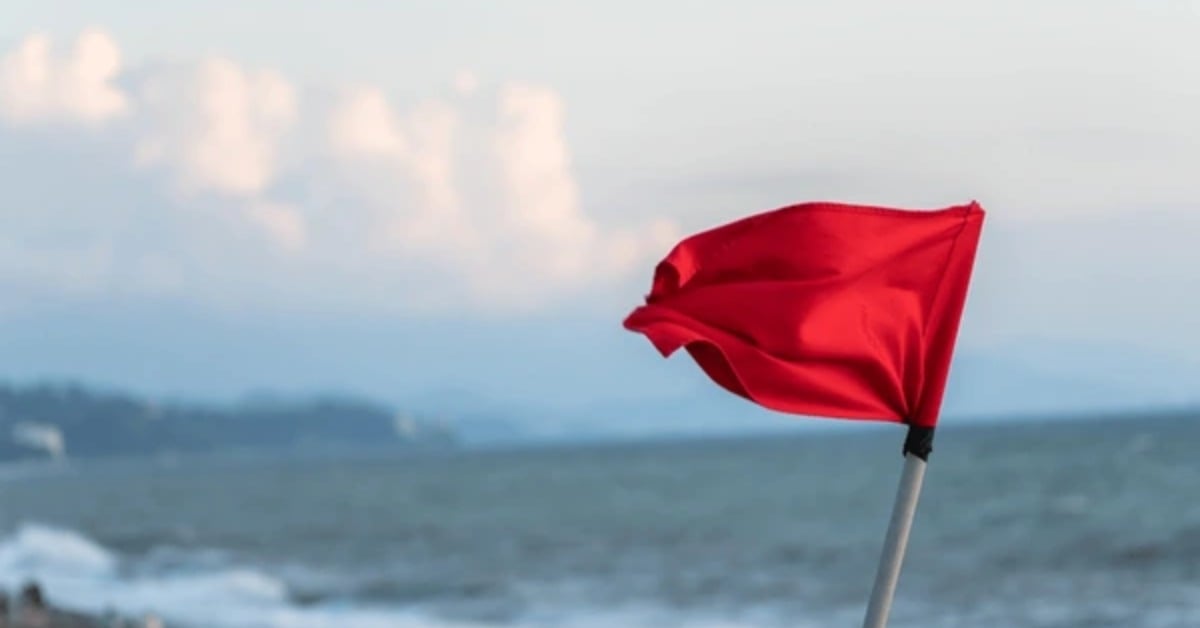
The surf looked inviting from the sand, but the water told a different story. The Municipal Directorate of Civil Protection and Firefighters kept the red flag beaches in Puerto Vallarta in place, citing high waves and rip currents that make swimming dangerous. The instruction is clear and non-negotiable: no entry into the sea while the red flag flies.
For the second straight day, the Aquatic Rescue Department confirmed red flags at Flamingos, Holly, and Playa de Oro. Today, Burros was added to the list. Camarones Sur, which was closed yesterday, was removed from the restriction. The changes reflect a moving ocean and a cautious approach to public safety.
Red Flag Beaches Puerto Vallarta
A red flag is the strongest routine warning lifeguards use on local beaches. It means the sea state has crossed the line from challenging to unsafe, especially for casual swimmers and kids. Rip currents form fast lanes of water flowing back out to sea. They are hard to spot from a towel on the sand and can overpower even confident swimmers in seconds.
The call to close the water is based on real-time conditions. Swell direction, wave period, and wind can shift throughout the day. That is why a beach may reopen after a calm spell or close when a new set of larger waves arrives. The goal is simple: cut the risk of rescues and prevent drownings.
Staying safe on the shore
Civil Protection asked residents and visitors to follow lifeguard instructions without debate. If a guard tells you to step back from the waterline, it is because a surge can run up the beach with force. Phones and backpacks can be replaced; people cannot. The agency also urged everyone to watch official alerts so they know when closures change.
Tourism does not stop when the sea is rough. Beach days can shift toward safer plans on land. Walk the boardwalk, eat with a view, or time your visit for photos and sunset. You still get the breeze and the light without the risk. That choice takes pressure off lifeguards managing a busy coastline.
When conditions may change
Beach flags are designed to change with the ocean. Restrictions can ease as the swell drops, and they can tighten if another pulse arrives. Before planning a swim, speak with the lifeguard on duty. They know where sandbars shift and where rip channels cut through. That local knowledge is what keeps a routine beach day from turning into an emergency.
Authorities stressed one last point: the red flag protects everyone. Most rescues happen when people underestimate the sea. Heed the closure, keep an eye on kids near the waterline, and use today as a reminder that a calm horizon can hide powerful forces. When the flag turns yellow or green, the ocean will be waiting.