If you live, work, or host guests near Puerto Vallarta’s Malecón, plan ahead. SEAPAL has scheduled a temporary suspension of potable water tied to municipal works on Avenida México. Valves are expected to close at 9 a.m. Tuesday, with service returning around noon Wednesday. The affected footprint includes Centro and other high-demand areas where low pressure can ripple quickly. Before the first tap runs dry, a few simple checks can save you hours of hassle.
Shutdown window and pressure impacts
SEAPAL Vallarta has scheduled a temporary shutdown of potable water service in parts of downtown Puerto Vallarta. The outage window runs from 9:00 a.m. Tuesday, January 27, to about 12:00 p.m. Wednesday, January 28. Even if your tap does not go completely dry, expect low pressure for much of that period. In many buildings, the difference comes down to storage. A rooftop tinaco or a ground-level cistern can stretch your supply. Homes that rely on street pressure usually feel the cut first. SEAPAL says the suspension is tied to municipal public-works installations. The utility is asking residents and businesses to take precautions. Service should return once the work is completed. Pressure can take time to stabilize across the grid. If you live on an upper floor, treat this as a full-day interruption. The same applies if you host guests or operate a storefront downtown.
Areas expected to be affected
According to the notice, the affected footprint includes Centro and nearby neighborhoods that share the same lines. That includes Emiliano Zapata, 5 de Diciembre and Olímpica. It also covers the downtown core, where errands and tourist foot traffic overlap all day. The advisory reaches into the northern hotel strip as well. In that area, it runs from the Sheraton zone down to the Febronio Uribe corridor. Restaurants, cafés and small hotels may need to plan around restrooms and dishwashing. For many expats, the practical question is less about the colonia name and more about the building. A condo with shared pumps may hold pressure longer than a small walk-up. Street-level shops can also see pressure swings as valves are opened and closed nearby. If you are unsure whether you fall inside the zone, ask your building manager or neighbors early. It is easier to store water quietly in advance than to scramble once the lines go dry.
Why the cut is happening
SEAPAL says the shutdown is needed so city crews can install a potable-water siphon. The work site is the intersection of 31 de Octubre and Paseo Díaz Ordaz. It is part of the Avenida México expansion now underway in Colonia 5 de Diciembre. A siphon is a buried connection that helps route the line through a tricky point. It is also the kind of upgrade that is hard to do without isolating the system. Officials say the goal is to modernize aging pipes in a high-demand corridor. This part of town carries heavy residential use and constant tourism traffic. In plain terms, the promise is fewer leaks and steadier pressure over time. It can also mean fewer emergency repairs that close streets without warning. Because the work touches a key junction, multiple neighborhoods feel the interruption at once. Crews are expected to work through the outage window to meet the stated timeline. SEAPAL has asked for patience, framing the inconvenience as a step toward stronger public services.
How to prepare before and after
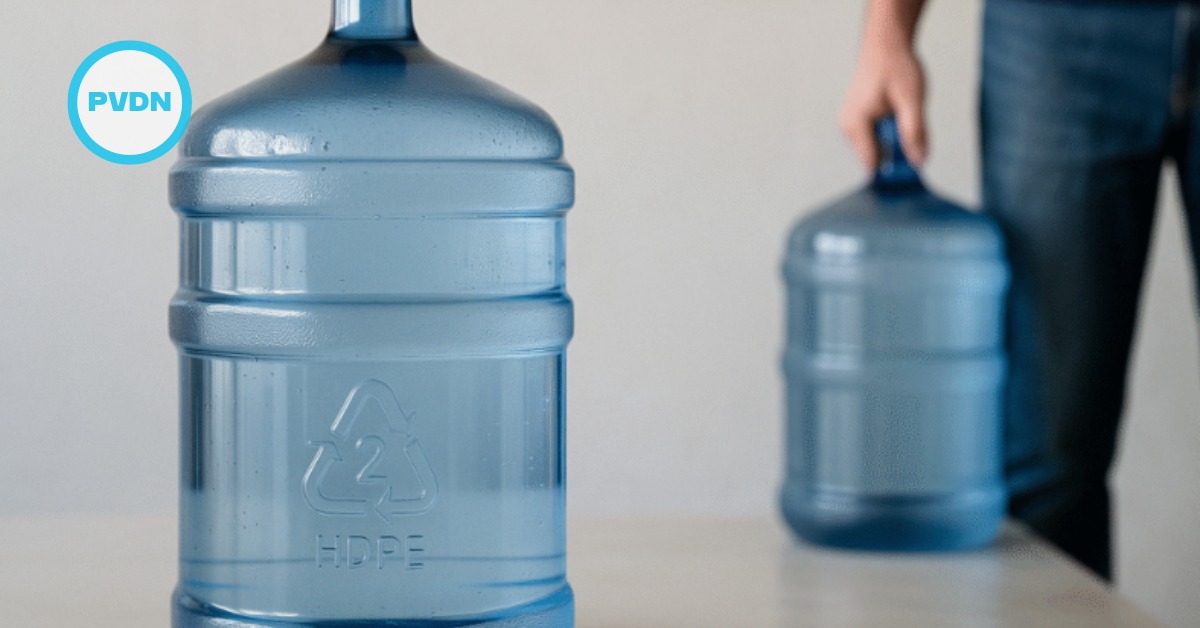
If you have a tinaco, aljibe, or cistern, the best move is simple. Let it fill completely before 9 a.m., and make sure the float valve works. In many Vallarta homes, a half-full tank turns a small issue into a long afternoon. If you depend on street pressure, set aside water for drinking and basic cooking. Save extra for sanitation, including flushing toilets and quick handwashing. Then ease back on non-essential use until pressure returns. A quick rinse can replace a full wash, and delayed laundry protects what you store. If you run a café or restaurant, plan early for ice and restroom needs. If you keep bottled water at home, check your supply now, not after shops are busy. Short-term rentals and small hotels should also warn guests in advance. Once service returns, open taps slowly and expect some air in the line at first.
SEAPAL’s estimate puts the end of the shutdown at midday Wednesday. Still, restoration often happens unevenly across downtown. Some blocks regain pressure quickly, while others wait as crews reopen valves. If your building uses pumps, avoid running them dry during the outage. That can damage equipment and create a second problem. After water returns, you may notice air spurts or slightly cloudy water briefly. Letting a tap run for a short moment can help clear the line. It is also smart to check for leaks inside your unit once pressure is back. For businesses, the first hour back is a good time to reset and restock. It also helps to confirm that restroom fixtures are working normally. SEAPAL says the goal is fewer failures in the core zone over time. The immediate impact, though, is real for homes and storefronts. Planning ahead can make the next day feel far less disruptive.