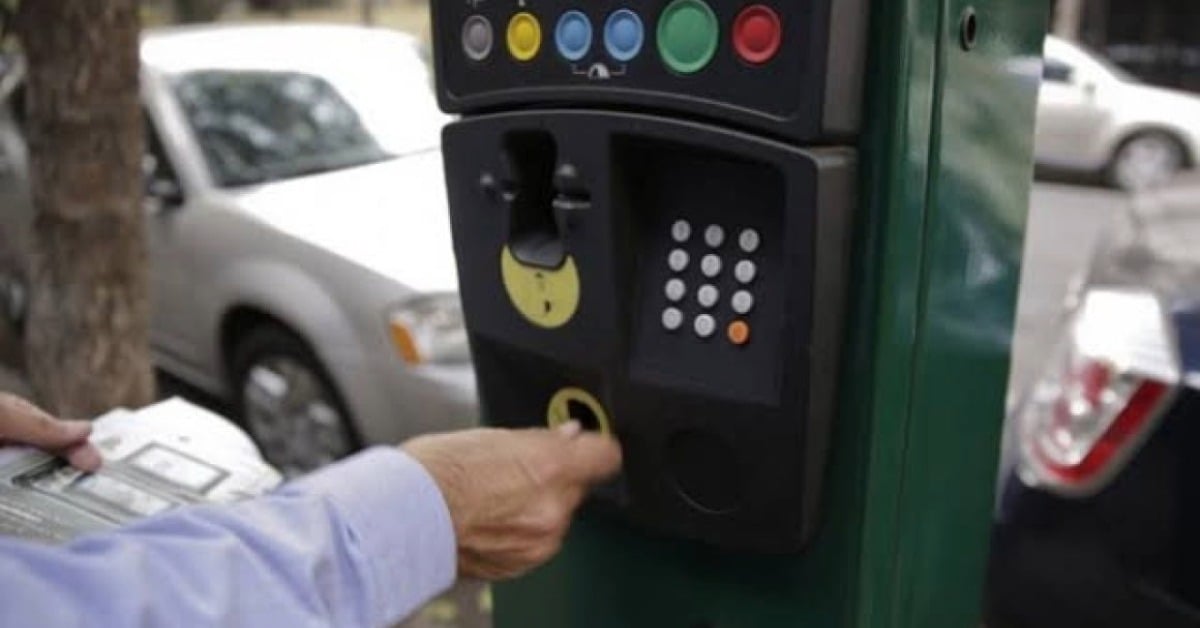
A tense city council meeting in Puerto Vallarta turned chaotic when residents protesting paid street parking pushed into City Hall after a long delay and closed doors. Police and security tried to hold the line, but the crowd ultimately entered the chamber to witness the session. The meters were not on the agenda, but the fight over them is the story. Officials say nothing is decided. Residents don’t believe it. Tonight’s confrontation raises a sharper question than rates or apps. Do people feel heard at all?
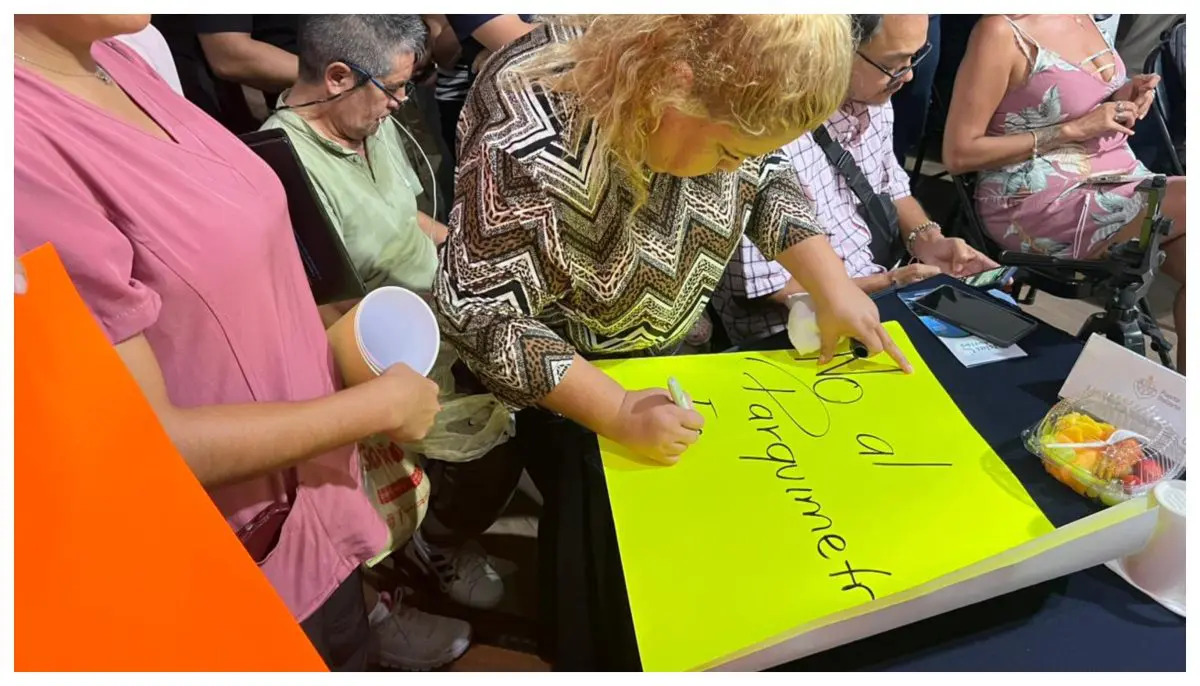
Puerto Vallarta parking meters protest
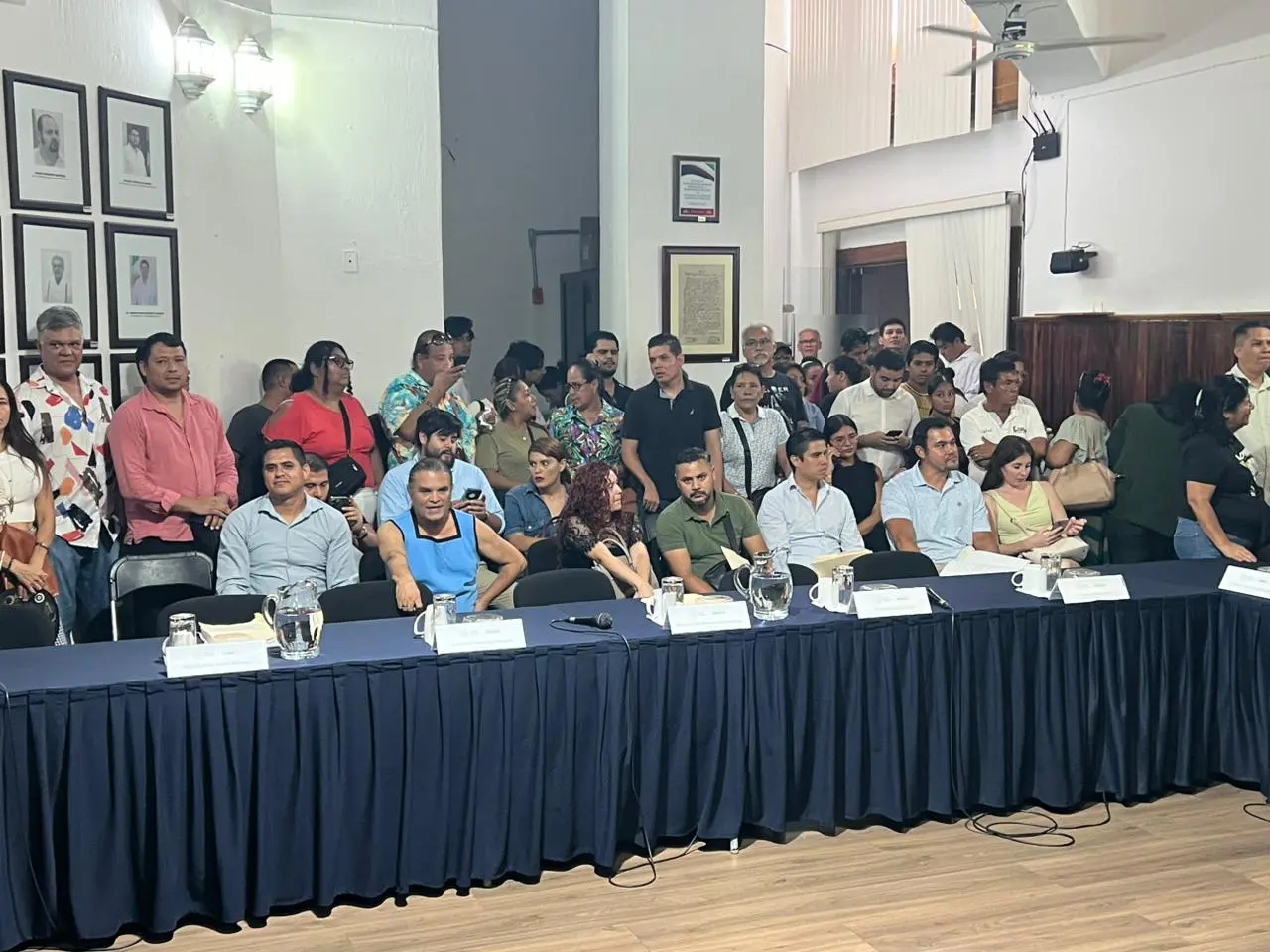
The ordinary council session on Wednesday, August 27, began late and with tempers high. Residents opposed to new parking meters said they had been blocked at the door and demanded entry. Inside, the meeting opened to a chorus of shouts for respect and transparency.
After a standoff at the building’s main entrance, protesters pressed forward and reached the chamber. Security eventually allowed access, and the room filled wall-to-wall. No serious injuries were reported. The anger did not end at the threshold.
What sparked the confrontation
The agenda for the session did not include a vote on meters. Even so, the policy debate hovered over every exchange and every chant. The crowd wanted a microphone. The council declined to grant the floor. People stayed, watched, and waited.
When the meeting ended, some protesters tried to speak directly with Mayor Luis Ernesto Munguía. They wanted clarity on whether the decision had already been made elsewhere. The mayor left the chamber amid jeers, fueling the sense that the real decisions happen offstage.
The plan as described by officials
City officials and the council’s bidding committee say the project remains under analysis. They have described a digital system rather than coin-fed boxes. Drivers would scan QR signs, pay by phone, and link their license plates. Enforcement would be electronic. No final map or timeline has been published. Rates discussed in committee materials and local briefings cluster around 12 to 18 pesos per hour.
Supporters argue that a managed curb can free up space in busy districts. They highlight benefits for shoppers and deliveries, including reduced turnover. They also describe guardrails through public consultations and a formal tender.
What residents fear
Opponents argue that the proposal could unfairly impact workers and residents who park for extended periods near their jobs and homes. They worry about enforcement errors, app access, and ticket traps on streets that already feel hostile to pedestrians and cyclists. Many suspect the city is leaning toward a concession model that prioritizes private gain over public space. The sudden closure of City Hall doors before the session hardened those suspicions.
Distrust also grew online when an old video of a police clash circulated, seemingly showing Wednesday’s events. Local reporters debunked it. By then, it had already shaped perceptions.
What comes next
The council still needs to move from talking points to a published plan. That includes the legal basis, geographic coverage, concessions, revenue use, and an appeals process for fines. It also contains a binding channel for residents to ask questions and get answers before any vote.
Wednesday’s scene was not about technology. It was about accountability. If the city wants buy-in, it needs to slow down, show the paperwork, and take tough questions in public—before paid parking arrives on the curb.