Puerto Vallarta has filed a letter of intent to join WWF’s Plastic Smart Cities, with plans to curb single-use plastics and improve waste handling.
Puerto Vallarta is taking steps to align itself with a global push to keep plastic out of nature. A city sustainability official says the municipality has delivered a letter of intent to join Plastic Smart Cities, a WWF-backed initiative designed for places like coastal towns and tourism hubs where plastic leakage can turn into a shoreline problem fast.
The city’s message is that this is not just about beach cleanups or one-off campaigns. The aim is to set a work plan that cuts plastic at the source, tightens how trash is handled, and measures results over time. Officials say the first concrete move comes in early January, when the local government plans to define an agenda and a route of actions tied to the program.
Behind that announcement is a basic truth that most residents already feel. Puerto Vallarta’s public image depends on a clean bay, healthy wildlife, and a city that looks cared for. Plastic waste threatens all three, and the costs show up in ways that are easy to miss until they hit you at street level, clogged drains, overflowing bins, windblown packaging, and trash that drifts toward waterways.
What Puerto Vallarta signed onto
Plastic Smart Cities is built around a pledge and a process, not a single policy. The program’s headline goal is “no plastics in nature” by 2030. In practical terms, it pushes cities to start with a baseline look at how plastic moves through the local economy and where it escapes into the environment. That matters, because the biggest sources in a tourism city are not always the most obvious ones.
From there, the program calls for a city action plan with targets and timelines. The emphasis is on plans that are specific enough to be tracked and funded, instead of broad statements that sound good in a press release. The framework also expects pilot projects in a defined area, plus monitoring and annual reporting so progress can be checked against promises.
That structure is what makes this development worth watching. For expats and long-term residents, “plastic reduction” can sound like a familiar slogan. The difference here is that the model leans on measurement and accountability. If Puerto Vallarta follows through, residents should be able to see what the city thinks the biggest sources are, what it plans to change first, and how it will judge success.
What could change on the ground
The city has described this as an effort to reduce plastic in rivers, beaches, and the bay. That points straight at two pressure points, single-use plastics and waste handling.
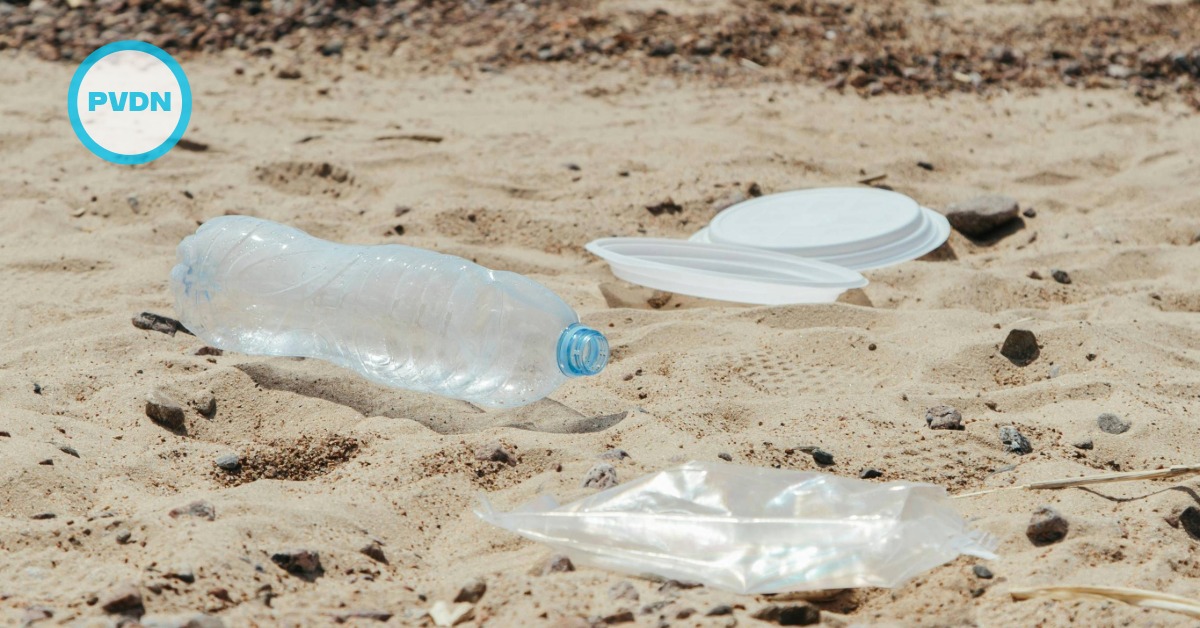
On the single-use side, the visible targets are the everyday items that pile up quietly, shopping bags, takeout containers, cups, lids, straws, cutlery, and the plastic wrap that comes with deliveries and quick purchases. In a city with heavy visitor flow, the volume can swing sharply by season, which is exactly why local planning matters. A program like this tends to push for reuse options that feel normal, not niche, and for alternatives that businesses can adopt without constant confusion or “exceptions” at the counter.
On the waste-handling side, the bigger issue is what happens after something is thrown away. Even motivated residents can get discouraged when separation rules feel unclear or when collection systems don’t reward the extra effort. The Plastic Smart Cities framework puts weight on better collection, better separation, and a clearer path for materials that can actually be recovered. It also tends to encourage coordination with businesses and service providers, since a city cannot reduce leakage if the private sector keeps feeding the same streams of packaging into the system.
For expats, the practical question is what habits might need adjusting. In many households, the change is not dramatic, but it is consistent. Bring a reusable bag more often. Keep a refill bottle handy. Say no to extra packaging when it is offered by default. If the city rolls out clearer separation rules or a pilot zone with new collection routines, it will help to follow those guidelines closely, even if they feel different from what you were used to back home.
What to watch next
Right now, this is an entry step, not a finished membership badge. A letter of intent is the beginning of the process, and the credibility will come from what is published and enforced after the holidays.
The most telling signs will be simple. Does the city release a baseline assessment or at least a clear summary of the biggest plastic leakage sources? Does it name a pilot area and spell out what will change there? Does it set targets that can be checked in public, and does it commit to reporting progress each year?
Puerto Vallarta has a strong reason to get this right. A cleaner coastline is not just a feel-good goal for postcards. It is part of public health, flood resilience, and the local economy. If the city turns this pledge into day-to-day routines that residents and businesses can actually follow, the payoff will be visible in the places that matter most, the streets, the arroyos, and the bay.