Puerto Vallarta has opened a new call to train the next generation of certified officers. The Municipal Police Academy is recruiting for the 22nd cohort, with initial training scheduled to begin in January 2026 at the academy in Las Juntas. Officials say candidates should apply in person during weekday hours and can request details by phone or email. Benefits during formation include professional training, an economic stipend, a base salary, medical coverage, and scheduled vacation periods.
The announcement targets applicants with a vocation for service and a clean record. Minimum requirements include Mexican nationality, at least upper-secondary studies, good health, and passing Mexico’s trust and confidence exams before entering the course. Those exams are standard for police recruits nationwide and precede the initial formation program.
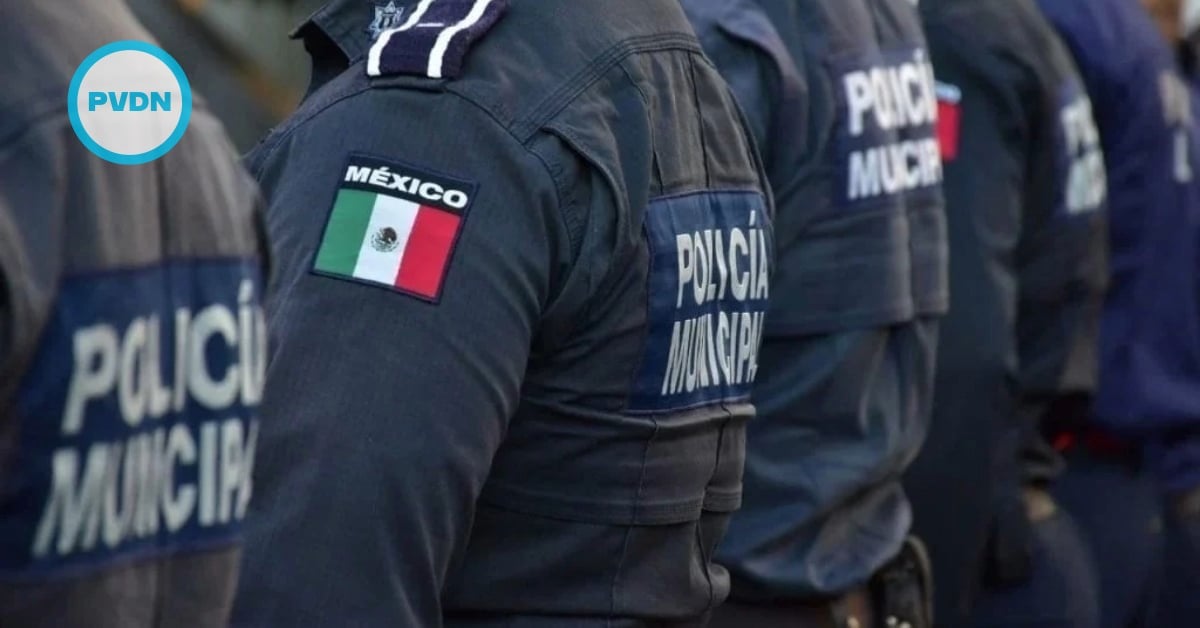
Puerto Vallarta police
Inside the classroom, recruits follow the national “Formación Inicial” model for proximity policing. That program aligns local academies with federal standards on legal frameworks, human rights, use-of-force principles, patrol tactics, and community engagement. The curriculum is overseen at the federal level by the National Public Security System and is designed to build practical skills that match the job’s daily realities.
While the city did not list a class size, it frames the call as part of a larger professionalization push. The new generation follows earlier recruitment cycles this year, signaling an ongoing pipeline rather than a one-off intake. Previous calls have highlighted core requirements such as a high-school diploma, proof of military service for men, and good physical condition—elements that remain standard in municipal recruiting.
*** More Puerto Vallarta News on PVDN ***
Beyond coursework, candidates must clear the trust process—the polygraph, psychological, medical, and background components known in Mexico as “control y confianza.” Only after those clearances can recruits enter the academy’s initial formation, which blends theory with scenario-based drills on the street. The national guidelines are explicit: certification depends on completing training and competency evaluations, not just attending classes.
The city is also pitching the tangible supports that matter to new officers. Officials emphasize paid training, health coverage, and time off during formation, along with the promise of a defined career track once recruits graduate and enter patrol service. In practical terms, that means money coming in while learning—a key difference from unpaid academy models elsewhere. Puerto Vallarta police leaders say the goal is to attract candidates who can commit to the program and to long-term neighborhood work after graduation.
What applicants should expect in 2026
The timeline begins now with document review and pre-screening at the academy. From there, candidates move to the trust exams. Those who clear the filters enter the January 2026 class, where training emphasizes proximity policing and constitutional policing standards. The city is inviting women and men to apply, highlighting service, honesty, and loyalty as core values for the cohort. The government also reiterated the phone and email for questions when it amplified the call on its official channels.
For residents, the 22nd generation is meant to strengthen patrol capacity in neighborhoods and tourist corridors alike. A steady academy cadence can reduce gaps in coverage, push more trained officers onto the street, and support response times during high season. The emphasis on rights-based policing and community contact reflects national shifts in how local forces are trained—away from rote classroom hours and toward demonstrable field skills that build trust.
If you’re considering the academy, think about the commitment. The entry bar is real, and the work that follows is public-facing and often demanding. But the path is clearer than in years past: paid formation, health coverage from day one, and a curriculum built to match what officers actually confront on duty. For details, the city directs applicants to the academy in Las Juntas during business hours, or to its published phone and email for the current call.