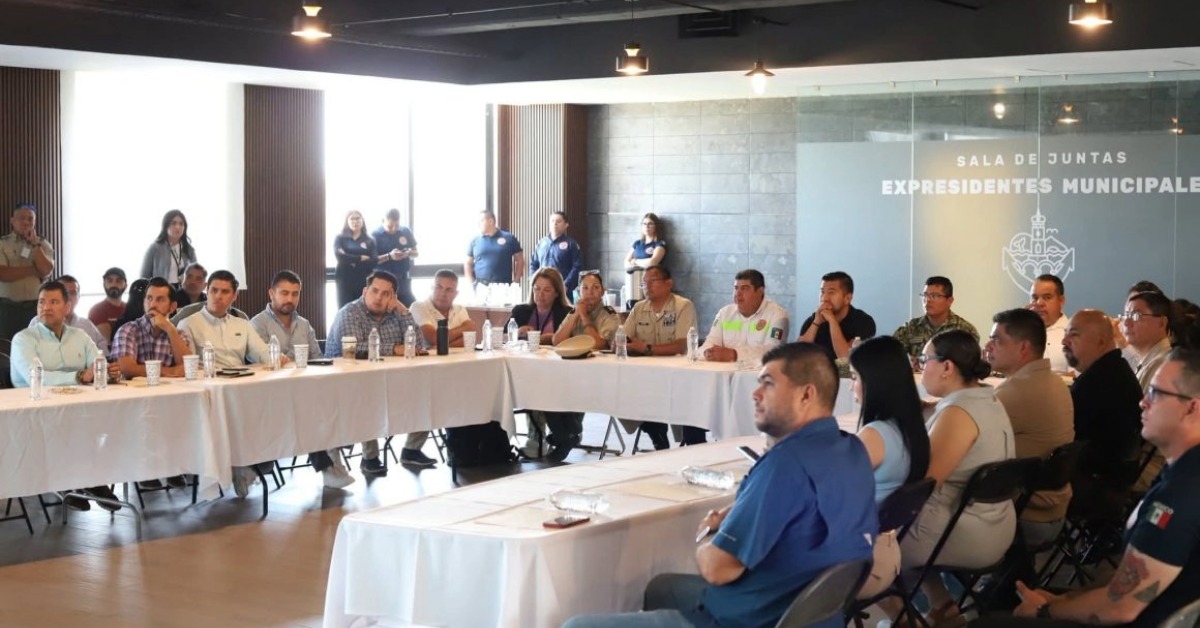
Puerto Vallarta is not waiting for the holiday rush to arrive before acting. With school breaks close, beaches already drawing crowds, and recent visitor numbers offering a preview, authorities are building a multi-agency Semana Santa plan that goes far beyond the shoreline. The operation will cover traffic, emergency response, religious sites, and other crowded spaces where problems can grow fast. For residents and foreigners spending Easter week in the city, the bigger story is not just more patrols. It is how the city expects people to move.
Puerto Vallarta moves early on Holy Week
Puerto Vallarta authorities have begun coordinating a Semana Santa 2026 operation focused on security, mobility, and emergency response ahead of the holiday peak. The plan is not limited to beaches. It also targets the tourist strip, religious sites, recreational spaces, and commercial areas that tend to draw large crowds during the Easter period. Municipal, state, and federal agencies are working together on operations, with the stated goal of keeping travel, worship, and daily life moving more orderly for both residents and visitors.
The city is moving early for a reason. Mexico’s public school break begins on March 30. Some family travel can start even earlier because March 27 is also a no-class Friday tied to the school calendar. Puerto Vallarta has already seen a preview of what is coming. During the recent March long weekend, municipal tourism officials said hotel occupancy reached 84 percent, and the city received nearly 30,000 tourists in four days. That does not guarantee what Easter week will look like, but it helps explain why officials are preparing now instead of waiting for the first major bottlenecks to appear.
Why Semana Santa changes the city
For many international readers, Semana Santa can sound like a church event first and a travel story second. In Mexico, it is both. Holy Week remains an important religious period, but it is also one of the busiest domestic travel seasons of the year. In a beach city like Puerto Vallarta, that means different crowd patterns overlap. Beaches fill up in daylight. Downtown streets and the Malecón stay busy into the evening. Churches and religious gathering points draw large numbers at specific hours. Commercial centers also see heavier traffic as families move between errands, meals, shopping, and leisure.
That is why the local operation is framed around mobility as much as policing. Holiday pressure is rarely caused by one single problem. It usually comes from several smaller ones happening at once. Roads slow down. Parking spills into side streets. Ambulances and patrol units lose time in traffic. Calls for assistance rise in places that normally stay manageable. During Holy Week, which can include heat-related problems, water rescues, minor crashes, lost children, and crowd control issues around public events or church services. A city that depends on tourism cannot treat those as separate problems.
The decision to include religious sites in the operation also matters. That part of the plan may not be obvious to foreign visitors who think of Puerto Vallarta mainly as a resort city. But Holy Week brings a different rhythm. Church attendance rises. Some observances draw people into already busy streets and public spaces. That shifts the pressure away from the hotel zone alone and into the downtown core and neighborhood corridors. In practical terms, officials are preparing for a citywide holiday, not only a beach weekend.
What residents and visitors should expect
On the ground, people in Puerto Vallarta should expect a more visible official presence in the areas that draw the fastest crowd buildup. That likely means tighter monitoring on popular beaches, closer attention on main traffic routes, and extra focus on spaces where tourism and local life overlap. The success of the operation will not be measured by how many agencies join the meeting. It will be measured by whether response times hold up when beaches, roads, shops, and churches all become busy at once. That is where holiday planning either works or fails.
Beach safety will remain one of the clearest tests. Earlier this month, Jalisco authorities warned of mar de fondo, a coastal condition that can bring higher surf and dangerous return currents. That is important in Puerto Vallarta because visitors often read sunny weather as a sign that the sea is safe. It is not that simple. Beach conditions can change quickly, and flag warnings matter more than how calm the shoreline looks from a distance. For Easter travelers, that makes lifeguard instructions a central part of the holiday operation, not a minor detail.
The city also wants this operation to send a broader message. Puerto Vallarta is trying to show that it can absorb a large holiday surge without letting congestion, confusion, or avoidable accidents define the season. Recent visitor numbers suggest demand is building. Tourism officials also expect the coming weeks to bring stronger movement. That makes this operation as much about confidence as control. If coordination works, most people will barely notice it. If it does not, residents and visitors will feel it quickly in traffic delays, beach restrictions, and slower emergency response, where the city can least afford it.