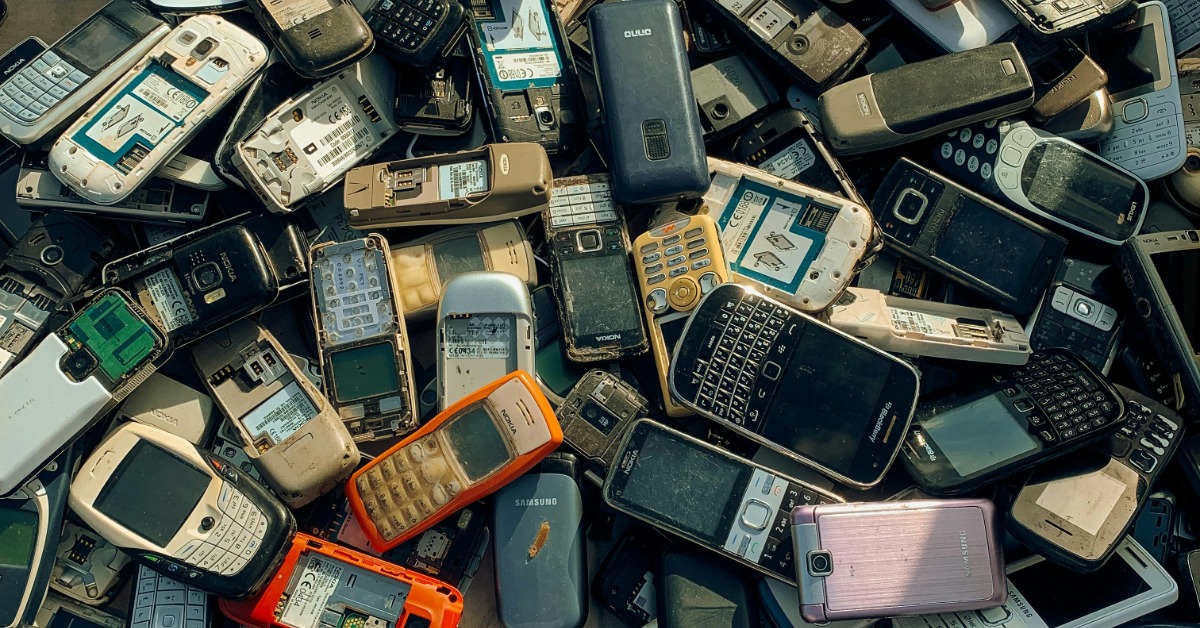
Got a drawer of dead cables, an old phone, or a broken TV you keep meaning to deal with? Puerto Vallarta’s next e-waste collection drive is scheduled for March 11–13, 2026, with drop-off hours running 9 a.m. to 4 p.m. The city says it will open temporary collection points across the municipality. Not everything will be accepted, and some items need basic prep before you hand them over. This guide explains what to bring, what to avoid, and how to protect your data.
Where and when to drop off
Puerto Vallarta has announced an Acopio de Electrónicos drive to keep e-waste out of regular trash. Mayor and architect Luis Ernesto Munguía González says the campaign will run on March 11, 12, and 13, 2026. Drop-offs are scheduled from 9:00 a.m. to 4:00 p.m. The Dirección de Sostenibilidad Ambiental will set up temporary collection points across the municipality. The city is encouraging residents across Vallarta to participate. The notice lists five sites: Unidad Deportiva Agustín Flores Contreras, the Unidad Administrativa Municipal (UMA), and Unidad Deportiva La Lija. It also lists the Plaza Principal de Ixtapa and the Plaza Principal de la Delegación Las Palmas. The announcement targets residents who have devices stored at home or at work. For many expat households, that can include electronics left behind after upgrades or moves. The notice does not include a site-by-site schedule. Residents may want to confirm hours and on-the-day logistics before making a long trip.
What the campaign will accept
The collection is intended for electrical and electronic equipment that households and small businesses no longer use. The city says the drop-off points will receive computers, televisions, and cellphones, along with cables and other electronic components. The notice also mentions electrodomésticos de línea blanca completos, which usually means full-size household appliances delivered intact. Small power tools and cameras are also included in the categories listed. Organizers stress that items must be delivered as whole units. Dismantled equipment will not be accepted, and neither will materials that are not considered electronic waste. The same rule applies to devices that contain or are coated with liquids or chemicals, according to the announcement. For residents sorting through storage rooms, the simplest approach is to bring items as they are, without removing parts. If a device is broken, it can still qualify, as long as it is complete. Items that do not meet the criteria may be refused at the site.
Why e-waste is handled separately
Electronic waste is treated differently from regular household trash because it combines reusable materials with hazardous components. Some devices contain toxic substances, including lead, mercury, and brominated flame retardants. These can pose risks if released into soil, water, or air. At the same time, many products contain metals that recyclers can recover, including copper and small amounts of precious metals. Globally, the scale of the issue is growing. The latest Global E-waste Monitor estimates that the world generated 62 million tonnes of e-waste in 2022. It also reports that 22.3% was documented as formally collected and recycled that year. The same research projects a rise to 82 million tonnes by 2030 if current trends continue. Local drop-off drives do not solve the full problem. They can reduce the amount of electronics mixed into everyday garbage. For Puerto Vallarta, capturing devices before they reach landfills can limit informal handling. Informal processing is where many exposure risks appear.
How to prepare items before drop-off
Before heading to a collection point, residents can reduce delays by preparing devices at home. The city’s notice says equipment should be delivered complete and free of liquids or chemicals. That means it should not be taken apart for parts, even if it no longer works. Phones, tablets, and computers may still hold personal data. A basic step is to back up what matters, sign out of accounts, and do a factory reset when possible. Removing SIM cards and memory cards can also prevent accidental data exposure. Cables and small accessories are easier to process when kept together in a bag or box. For larger items, such as full-size appliances, safe transport matters as much as disposal. People living in condos or rentals may want to confirm ownership before dropping off shared equipment. The stated hours end at 4:00 p.m. Arriving earlier can help during peak times. Residents who cannot attend may plan for a later campaign. Vallarta has held similar e-waste drives in past years.