Puerto Vallarta’s appeal hasn’t dimmed. Its beaches, culture, and access keep travelers coming. Yet a more complex story now shadows the postcard: an industrialized timeshare fraud machine that targets foreign owners. After fresh U.S. sanctions on August 13, city officials say they’ll work with federal and state partners to help visitors spot real offers and avoid traps. The plan centers on clear guidance before the holiday crush—plus a reminder that savvy buyers verify every promise. The stakes are high, and the scammers are persistent.
Puerto Vallarta timeshare fraud
Puerto Vallarta remains a heavyweight in Mexico’s tourism map. That status also makes it a magnet for sophisticated scams. On August 13, the U.S. Treasury’s Office of Foreign Assets Control sanctioned four people and 13 companies based in or near the city, alleging they ran timeshare schemes that enriched the Jalisco New Generation Cartel. The action describes call-center operations that posed as brokers or attorneys and demanded up-front “fees” and “taxes.”
The same release underscores the scale of the problem. U.S. victims reported nearly $300 million in losses from 2019 to 2023, and more than $50 million in 2024 alone, with many older owners targeted. Treasury also notes that since February 20, 2025, the State Department lists the cartel as a Foreign Terrorist Organization, a designation that intensified pressure on its finances.
Local officials say education will be key
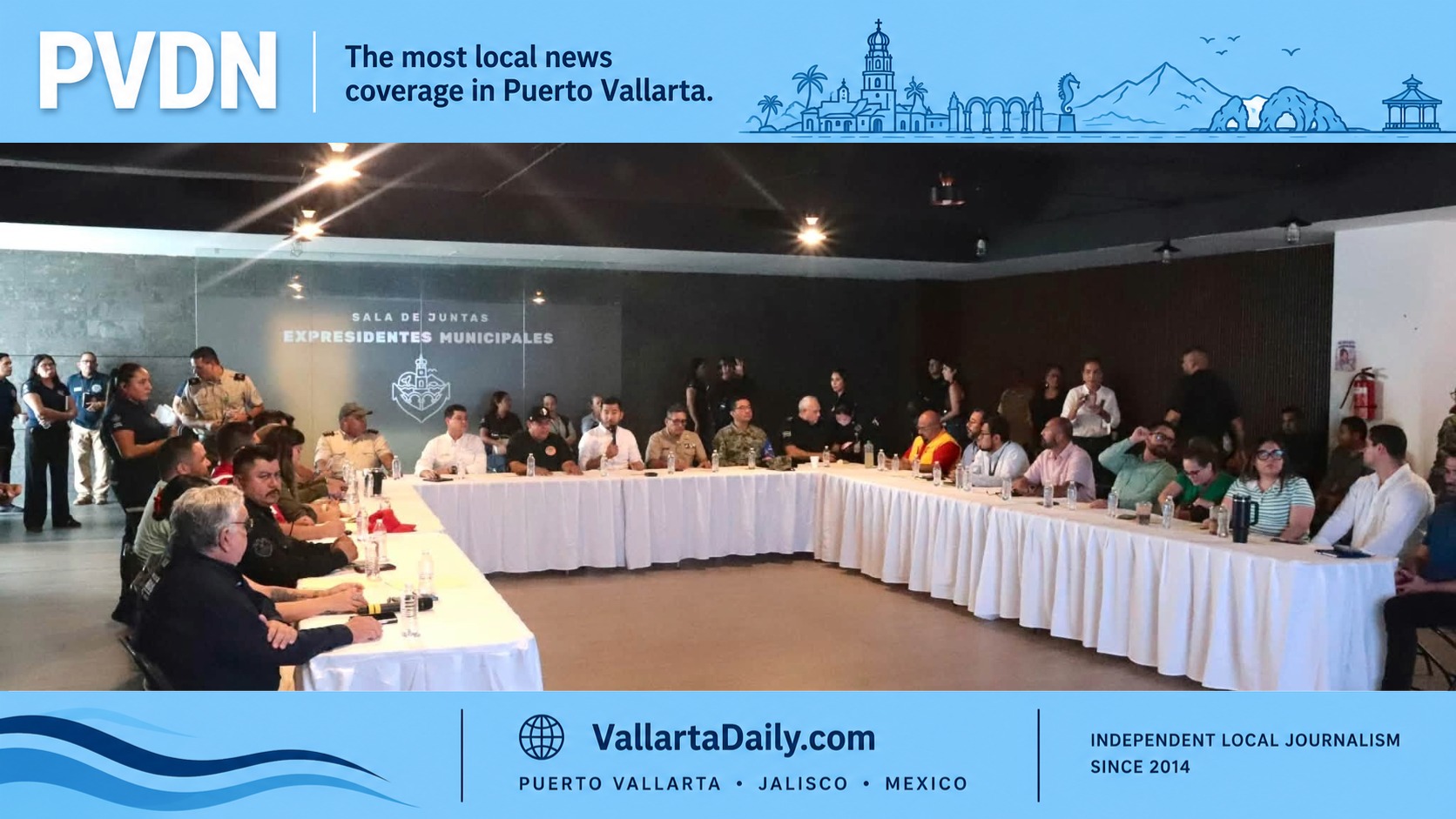
Puerto Vallarta’s economic promotion director, Rosalba Alejandra Cornejo, says U.S. alerts often use language she disagrees with, but acknowledges the underlying concern. She says municipal and state offices will coordinate to give buyers clearer tools to verify offers and avoid fraud, and that federal authorities will be central in cases of crime. The city also wants seasonal messaging before peak holidays, when “irresistible promotions” spike.
That consumer-protection lane already exists. Mexico’s consumer watchdog, Profeco, published guidance this spring reminding travelers to review contracts carefully, avoid pressure sales, and remember they have a five-business-day cooling-off period to cancel a timeshare purchase without penalty. Profeco also points travelers to its complaint channels and contract checks.
How the schemes actually work
U.S. financial crime agencies describe a familiar pattern. Call centers with fluent English speakers contact owners claiming to have ready buyers or renters. Victims see polished documents, spoofed escrow dashboards, and references to known resorts. Then come the “taxes” and “fees.” After the first transfer, new hurdles appear. Some victims are hit again months later by impostors posing as lawyers or officials who promise to recover funds for an additional payment.
The FinCEN joint notice details those tactics and the money trails: new shell firms, accounts at Mexican banks or brokerages, and rapid movement of funds. That notice also ties holiday periods and significant events to spikes in offers—a point Puerto Vallarta officials say they will address with timed public messaging.
Rights and recourse for buyers
Profeco’s baseline rules are clear. Providers must give accurate, verifiable information. No one should demand payment before terms are understood. If you sign and regret it, the five-day window allows a cancellation without penalty. Profeco maintains a complaint bureau and encourages buyers to verify providers and check the National Tourism Registry before paying. Those tools matter in a market where aggressive sales can blur the line between high-pressure and high-risk.
The sanctions fit a longer campaign. OFAC has targeted timeshare networks tied to the same cartel since 2023. Authorities say the business model funds broader criminal activity and thrives on trust gaps in vacation markets. For a destination that depends on repeat visitors, closing those gaps—through transparent rules, coordinated messaging, and fast complaint paths—matters as much as any marketing slogan.
Puerto Vallarta’s draw is not in question. Its job now is to make the purchase experience as trustworthy as the beach looks at sunset. That means clear warnings before the pitch, real verification at the point of sale, and swift action when something smells off.