Quintana Roo’s prosecutor says the state now ranks first in Mexico for freeing trafficking victims. On November 10, officials reported 844 victims rescued and 98 suspects detained since mid-2023, plus 139 search warrants executed and 24 convictions. Authorities say 648 were Mexican nationals, 196 foreigners, and 102 were minors. Those figures line up with a months-long surge in operations across Cancún, Playa del Carmen, and Chetumal.
The headline number tracks with other recent tallies. Independent coverage last month counted more than 800 people rescued in roughly two and a half years, with arrests approaching three digits as raids escalated across tourist hubs. The pattern matches what residents see: closures of bars and spas after late-night inspections, and a steady trickle of court cases tied to exploitation networks.
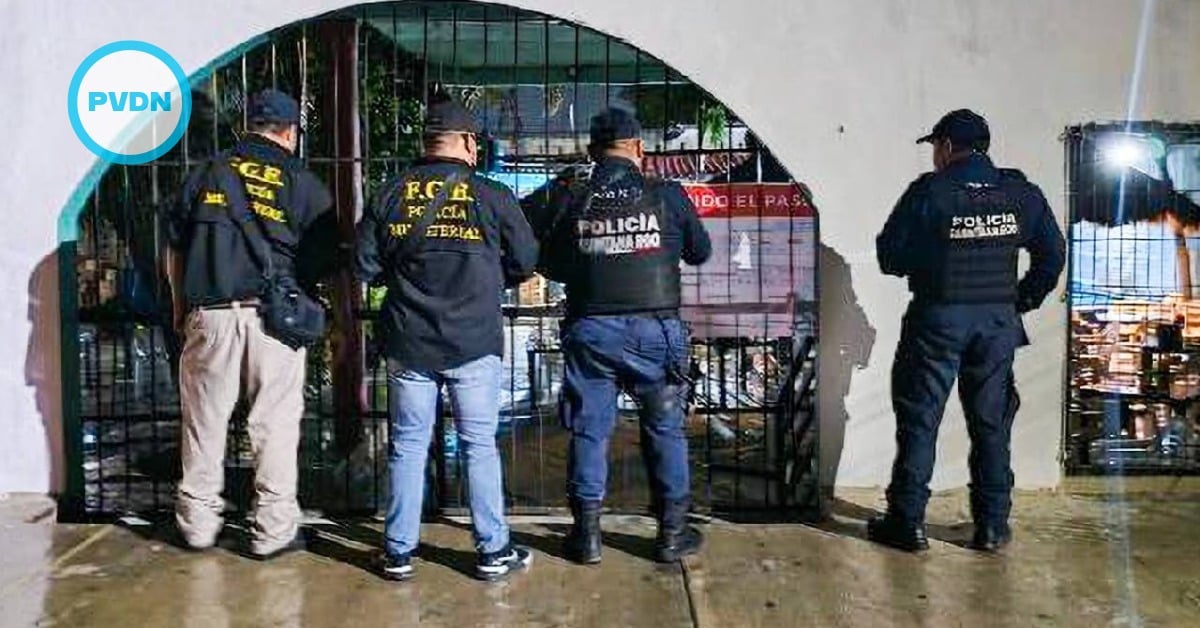
The most recent rescues underscore the pace. On November 2, authorities announced 14 women identified as probable victims during a raid in Benito Juárez. Days earlier, reporters detailed a separate operation involving Colombian women allegedly recruited and forced into sex work. These snapshots suggest a law-enforcement tempo that’s faster, more coordinated, and more visible than in past years.
Quintana Roo trafficking rescues
The Quintana Roo trafficking rescues story is also about where and how exploitation happens. Prosecutors describe “cateos” that uncover sexual and labor exploitation in common spaces—bars tucked off main avenues, houses repurposed as clubs, spas on busy corridors. That tracks with the state’s economy: heavy tourism, large service sectors, and a constant churn of new arrivals make people—especially young women and migrants—more vulnerable to recruitment, coercion, and debt bondage.
We verified several recent raids through outside outlets and wire services. In late October, journalists documented two coordinated searches that freed 14 Colombian women. A week later, another operation in Cancún turned up 14 probable victims and seized cash and records. These cases don’t prove a ranking by themselves, but they reinforce the prosecutor’s claim that rescue activity in the state is unusually high right now.
National context helps explain the moment. Mexico remains on the U.S. State Department’s Tier 2 list: authorities are making efforts but still fall short of minimum standards. The 2025 Trafficking in Persons Report urges more proactive victim identification, stronger investigations, and better services for people coerced by criminal groups. The recommendations align with Quintana Roo’s recent push—more search warrants, more cases in court, and a focus on victim support during and after raids.
Inside the numbers, there are important questions. Rescues can be a blunt metric; they show immediate action but not long-term outcomes. Prosecutors cited 24 sentences since 2023, a sign of progress, but it’s still a fraction of the detentions. Survivors often need months of counseling, documentation help, and safe housing to testify safely. In tourist cities, support work can be the difference between a conviction and a case that quietly collapses.
The cross-border piece matters too. Officials say almost 200 of those freed were foreign nationals. That reflects shifting recruitment routes through South America and the Caribbean and the way traffickers exploit visa regimes and social media. In past operations, authorities have documented victims from Colombia, Peru, Argentina, Venezuela, and beyond. Each case complicates prosecution and aftercare, especially when victims need consular help or face pressure from recruiters back home.
What “first place” really means for residents and visitors
For people who live and work in Quintana Roo, the impact shows up in small, visible ways. Bars shuttered after midnight inspections. Patrols lingering on side streets off the hotel zone. New signage about reporting exploitation. For visitors, it’s easy to miss, but the enforcement footprint is real—and locals will tell you it’s more sustained than in previous seasons. Recent Benito Juárez and Solidaridad raids fit a pattern of multi-agency teams moving quickly to lock down premises and separate victims from handlers before evidence disappears.
There’s another side of the ledger: prevention. The federal TIP report calls for earlier identification of victims, including minors pushed into exploitation by organized crime. That means more training for hotel staff, transit workers, and municipal inspectors—and clearer referral pathways so people aren’t re-victimized when they seek help. If Quintana Roo wants to keep its lead on rescues, the next step is turning rescues into durable justice: more convictions, safer shelters, and long-term support that lets survivors rebuild.
For now, the state’s stance is unmistakable. Authorities say the crackdown will continue through the high season. The numbers are stark, and so are the stakes. Quintana Roo trafficking rescues may lead the nation, but the test will be whether those rescues translate into fewer victims—and whether tourist corridors become harder places for traffickers to hide.