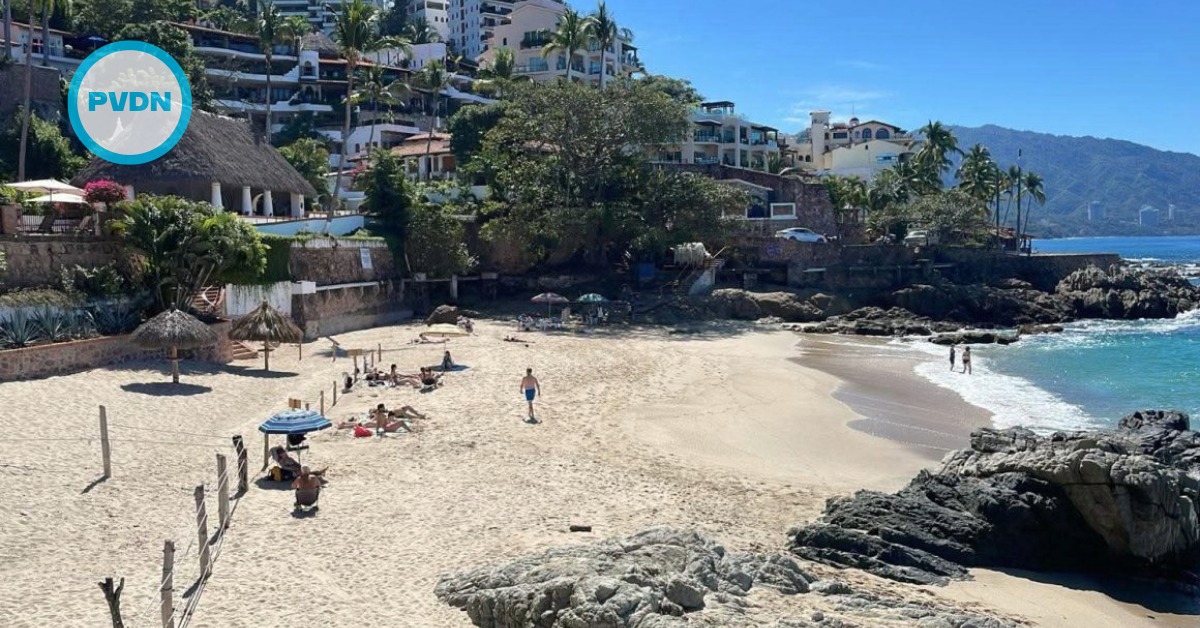
Planning a beach day in Puerto Vallarta? Lifeguards are urging swimmers to read the flags before stepping into the surf. Most popular beaches are open under yellow-flag conditions, but one spot remains off-limits: the mouth of the Pitillal River. Authorities say the restriction is preventive, tied to the possible presence of harmful fauna in the area. With low tide and modest waves reported, it may look inviting at a glance. Here’s what’s happening, where caution is advised, and how to pick a safer stretch of sand.
The one area that remains off-limits
Puerto Vallarta’s Lifeguard Department says a red flag remains raised at the mouth of the Pitillal River as a preventive measure. The warning is specific: do not enter the sea at that point, even if the water looks calm. Authorities say the concern is the possible presence of harmful fauna in the area, and the restriction will stay in place as a safety precaution.
The affected zone is at Playa de Oro, but only at the river mouth itself. Outside that immediate area, beach conditions across the municipality are being managed under caution rather than full restriction.
Yellow flags across the main beaches
According to the latest report, the rest of Puerto Vallarta’s main beaches are flying yellow flags, which signal caution for swimmers. The beaches listed under yellow-flag conditions include Palmares, Conchas Chinas, Muertos, Burros, Camarones, Holy, and Playa de Oro, with the red-flag restriction limited to the Pitillal River mouth area.
A yellow flag doesn’t mean “all clear.” It means the sea can be enjoyed, but with added care and with attention to currents, changing surf, and the guidance of rescue personnel on duty.
What conditions look like today
Lifeguards reported wave heights running roughly 30 to 50 centimeters, along with low tide. In practical terms, that combination can create a tempting sense of safety, especially for visitors who equate small waves with low risk. But even modest surf can hide stronger pull in certain zones, and river mouths are notorious for shifting currents and murky patches that make hazards harder to spot.
If you’re heading out for a swim, snorkeling close to shore, or letting kids splash in the shallows, the safest move is to choose a guarded section, stay within sight of lifeguards, and avoid the river mouth entirely until the restriction is lifted.
The simplest way to stay safe
Beach days in Vallarta are at their best when everyone treats the flags as non-negotiable. Lifeguards are asking residents and visitors to respect the color system at all times and follow instructions from rescue personnel. That means staying out when you see red, taking extra care under yellow, and adjusting plans if conditions shift during the day.
If you’re unsure what’s happening at a particular access point, ask the lifeguards on duty before getting in. It’s a quick conversation that can save you from a situation that turns serious fast.
With information from Quadratín Jalisco, El Informador