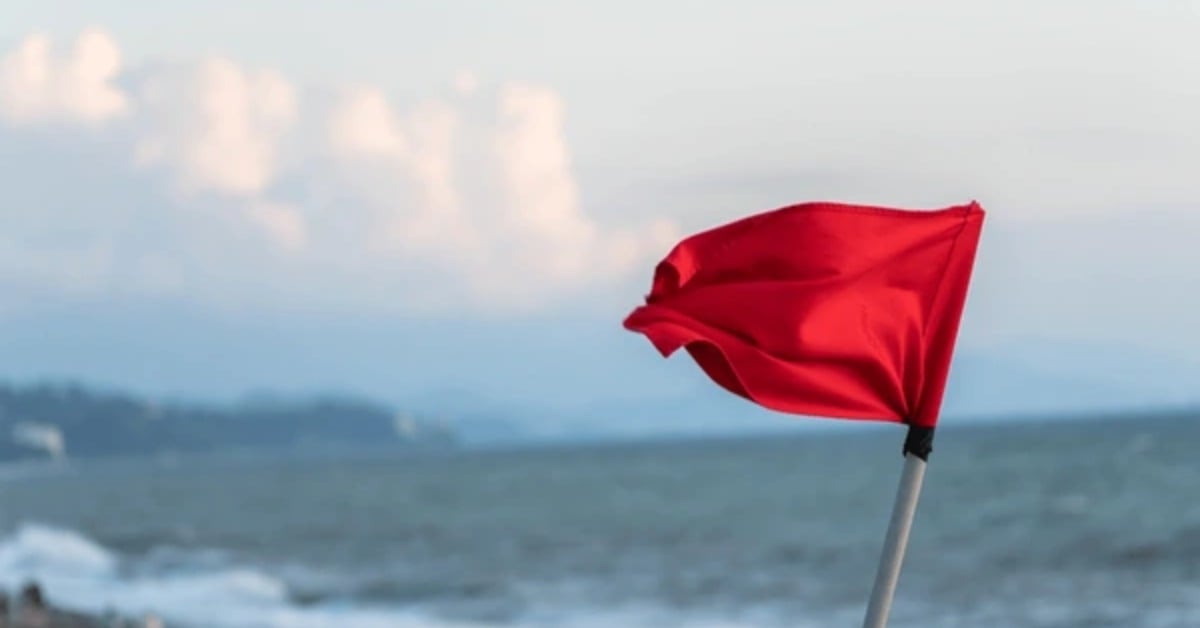
Nine Puerto Vallarta beaches posted red flags today, a full ban on entering the sea. The order follows a sharp rise in swell and rip currents across Banderas Bay—powerful, fast, and hard to spot from shore. If you were planning a swim, conditions have changed. Lifeguards are focusing on several trouble spots and warn that the risk will persist as long as the sea remains active. Officials say the alert is temporary, but the danger is real this week. Here’s what the alert covers and why it matters.
Puerto Vallarta authorities raised red flags on Wednesday, August 27, closing nine beaches after high surf and rip currents made swimming unsafe. The city’s Civil Protection and Fire Department stated that the ban is in place to prevent accidents while hazardous conditions persist.
Red flags on Puerto Vallarta beaches
Lifeguards reported the no-swim order at Playa de Oro, Holi (often spelled Holly), Flamingos, Camarones, the Malecón shoreline, Los Muertos, Conchas Chinas, Punta Negra (also known locally as Playa Negra), and Palmares. The instruction is simple: do not enter the sea at these locations until the warning is lifted, and follow lifeguard directions on the sand.
The timing lines up with a broader Pacific pattern. Mexico’s National Weather Service warned today of elevated waves along the Jalisco coast, with surf reaching roughly 1.5 to 2.5 meters and dangerous currents in the surf zone. That is enough to turn familiar bays into rip-current factories, even on otherwise sunny days.
What is driving the hazardous surf
The Navy’s marine forecast points to a recurring “mar de fondo” event—long-period swells generated far offshore—that can arrive in sets, build through the day, and intensify through the weekend. Forecast charts flag 5–7-foot seas around the Islas Marías and the central Pacific coast, with a fresh episode of long-period swell expected to pulse again heading into Friday night and the weekend. In practical terms, that means rip currents stay strong even when winds ease.
Officials in Puerto Vallarta have dealt with on-and-off closures this month as swells cycled through the bay. Earlier in August, red flags went up on several city beaches on consecutive days, a reminder that late-summer surf is dynamic and localized. Today’s closure is the largest of the month so far in the municipal stretch.
What beachgoers should do now
If you’re headed to the shore, plan for a dry beach day until flags change. Red flags in Mexico are not suggestions; they are a legal prohibition on entering the water during dangerous conditions. Lifeguards are patrolling flagged areas and can advise on safer stretches once conditions improve. When red flags are up, stay off rocks and jetties, keep children well back from the shorebreak, and avoid night swimming when currents are hardest to see.
City officials will reassess throughout the day as the winds ease and wind shifts. Given the regional swell outlook, expect conditions to fluctuate before the weekend. When in doubt, ask the lifeguards on duty; they track the rip channels, the set timing, and any sudden changes in the shorebreak that are not obvious from a hotel balcony.