A fresh look at Tren de Aragua routes inside Mexico paints a familiar picture: outsiders don’t need to “take over” a cartel to make money. They just need access. Investigators describe small cells renting protection, buying logistics, and blending into existing corridors that already move migrants, drugs, and cash. The details point to specific entry points, urban staging zones, and border pressure points. What matters for readers is how quickly these networks can shift—and how little warning communities get before violence, extortion, or exploitation shows up close to home.
Tren de Aragua routes in Mexico
The picture emerging from recent reporting and security briefings is less about a new cartel “invading” Mexico and more about a foreign crew learning the rules of a crowded market. Tren de Aragua is widely described as a Venezuelan-origin group that expanded alongside large migration flows across the region. In Mexico, authorities have framed its presence as cellular and opportunistic. Small groups show up where money is already moving and where local protection can be purchased.
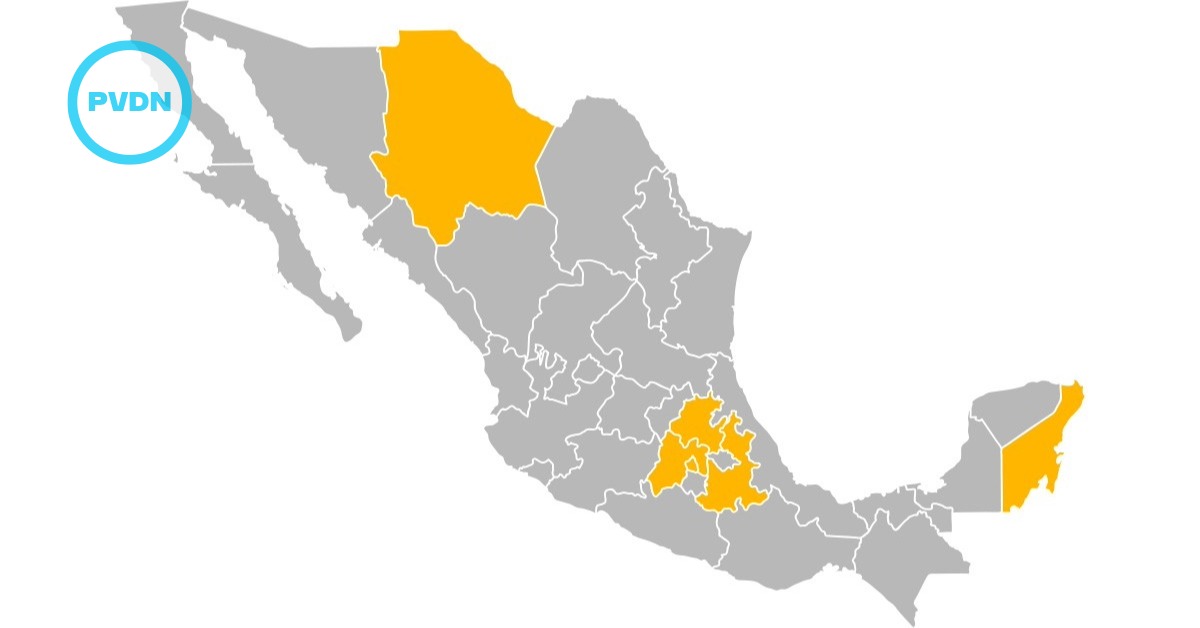
The alleged routes track corridors Mexico already struggles to control. Investigators have described entry points in the south and southeast, including Chiapas and Quintana Roo, followed by movement toward major cities and, ultimately, border pressure points. That pattern matters because it mirrors how other cross-border crimes work: people and contraband move through established highways, ports, bus routes, informal crossings, and safe houses that predate any single group.
Mexican security sources have said the group has been detected since 2021 and has developed operating footprints across multiple states. Those claims include activity in Chiapas, Quintana Roo, Tabasco, Veracruz, Hidalgo, Puebla, Estado de México, Guanajuato, Mexico City, Tamaulipas, and Chihuahua. The common thread is not ideology or territory. It’s access to logistics and to the local power brokers who decide who can work, where, and at what price.
How a foreign crew plugs into cartel markets
Mexico already has something that behaves like a “service economy” for crime. Smuggling corridors, stash-house networks, document forgers, crooked transport, lookouts, and street-level enforcers don’t need to belong to one brand to be useful. A transnational group can pay for those services, subcontract violence, or act as a specialist. That is the core idea behind “plugging into” existing corridors.
This is also where alleged cartel ties become less dramatic but more believable. The claim isn’t always that Tren de Aragua is merging into a Mexican cartel. The claim is that it can collaborate tactically, trade favors, buy protection, and use local cells to move people and money. In practice, that can look like paying a fee to operate, relying on local suppliers for drugs, renting armed escorts for a single move, or using a local crew’s corruption channels to reduce risk.
For Mexico, that model is dangerous precisely because it doesn’t require Tren de Aragua to build a large, visible structure. It can stay lean, reduce exposure, and survive arrests by replacing one cell with another. It also means that pressure in one city can push activity into the next, sometimes in weeks, not years.
Mexico City as a staging ground
Mexico City shows how these relationships can play out in real neighborhoods. Investigations have tied Tren de Aragua-linked cells to areas associated with the sex trade and street-level drug sales. Authorities and investigators have described activity around places like the San Rafael zone near Sullivan, parts of the Centro area, Doctores, and corridors near Calzada de Tlalpan. The point isn’t that the city suddenly becomes “a Tren de Aragua city.” The point is that these are spaces where exploitation, recruitment, debt collection, and intimidation can be hidden in plain sight.
Several investigations have also described the group’s alleged reliance on local criminal structures already embedded in those markets. That can include cooperation with existing Mexico City groups that control corners, collect “fees,” and enforce informal rules. For a foreign organization, that kind of arrangement is efficient. It lowers startup costs, reduces the need for firepower, and creates a buffer between leadership and day-to-day crimes.
The alleged business model described by investigators is grim but consistent: recruitment through promises of legitimate work, transport financed as a “debt,” and then coercion once the person arrives. In some accounts, women are pushed into sexual exploitation and forced to repay inflated costs tied to travel, housing, or “protection.” That kind of coercion thrives in places where victims fear authorities, lack documents, and have no support network.
Border pressure and migrant extortion
Along the northern border, the alleged role is often described less as running entire crossings and more as controlling people. Migrants are a commodity in a corridor economy. Whoever can identify them, isolate them, and pressure their families can profit, even without controlling the actual smuggling route.
Authorities have described Tren de Aragua-linked activity that includes extortion of Venezuelan migrants in transit. That can overlap with local cartel interests, because cartels already treat border crossings as a taxed market. A transnational gang can become the “front office” for a specific group of migrants, using shared language and cultural familiarity to gain trust, then turning that access into extortion, forced labor, or recruitment.
For expats in Mexico, the border piece may feel far away. But border pressure often ripples south. When routes get hotter, criminal networks lean harder on safer interior hubs for housing, documents, transport, and cash movement. That is how a problem that looks “border-based” can still create new risks in major cities.
What enforcement pressure looks like right now
One reason this story is rising now is that governments have started treating Tren de Aragua as more than a street gang. The United States has sanctioned leaders and networks tied to the organization and has described it as engaged in drug trafficking, migrant smuggling, human trafficking, extortion, and money laundering. Those steps matter because financial pressure can disrupt payments, travel, and the ability to move profits.
Mexico, for its part, has carried out arrests and investigations tied to alleged leaders or cell operators. In Mexico City, authorities have detained suspects accused of directing exploitation networks and violent crimes linked to Tren de Aragua. Investigators have also said the group has shifted how members identify each other, moving away from obvious tattoos that made them easier to spot in earlier years.
Taken together, these moves suggest a familiar cycle. Enforcement pushes the group into smaller cells. Smaller cells rely even more on local support. Local support expands because it is profitable. That’s why mapping routes and ties matters. It’s less about one headline arrest and more about whether the network can keep renting access across Mexico.
What this means for everyday life in Mexico
Most readers will never encounter Tren de Aragua directly. The risk, when it shows up, is usually indirect: higher intimidation in certain nightlife corridors, more coercion of vulnerable migrants, and more pressure on informal economies where people already operate close to the edge. In cities, that can translate into spikes of violence tied to debt collection, disputes over “fees,” or retaliation when someone tries to exit an exploitation scheme.
For expats, the practical takeaway is not paranoia. It’s awareness of how fast criminal ecosystems adapt. A neighborhood can feel stable until it isn’t. The early signs are often subtle: new faces managing the same corners, sudden pressure on certain bars or small businesses, or repeated stories within migrant communities about threats and forced “payments.” Those are not proof of one group’s presence, but they are signals of a protection market tightening.
The larger issue is structural. As long as Mexico remains a bridge between south-to-north migration, global drug demand, and fragmented local policing, foreign criminal groups will keep finding ways to plug in. The routes aren’t new. The logos change.