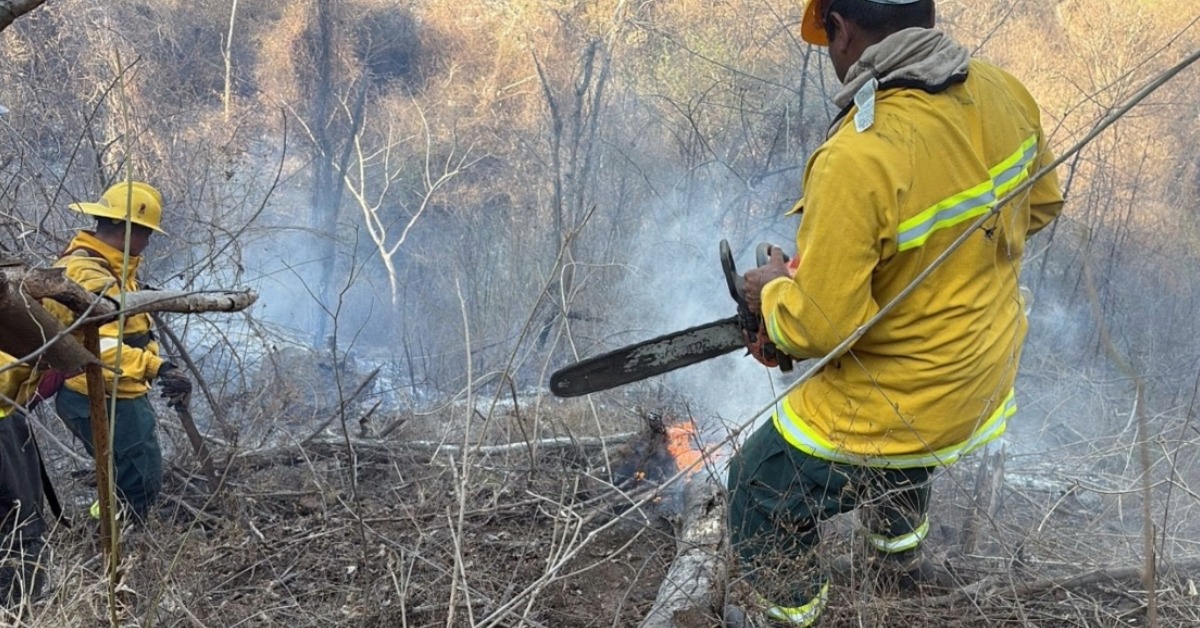
After four days of work in San Pancho’s hills, crews have the fire mostly contained but not finished. The latest update shows a 146-hectare burn scar, dozens of responders still in the field, and wind continuing to shape the final phase of the fight. The difference between a controlled fire and a liquidated one is now the whole story, because the remaining hot spots can decide whether this incident ends cleanly or flares again.
Fire crews gain ground, but the work is not finished
The San Pancho wildfire remains active after four days in the hills of Bahía de Banderas, although crews have pushed it deeper into the mop-up phase.
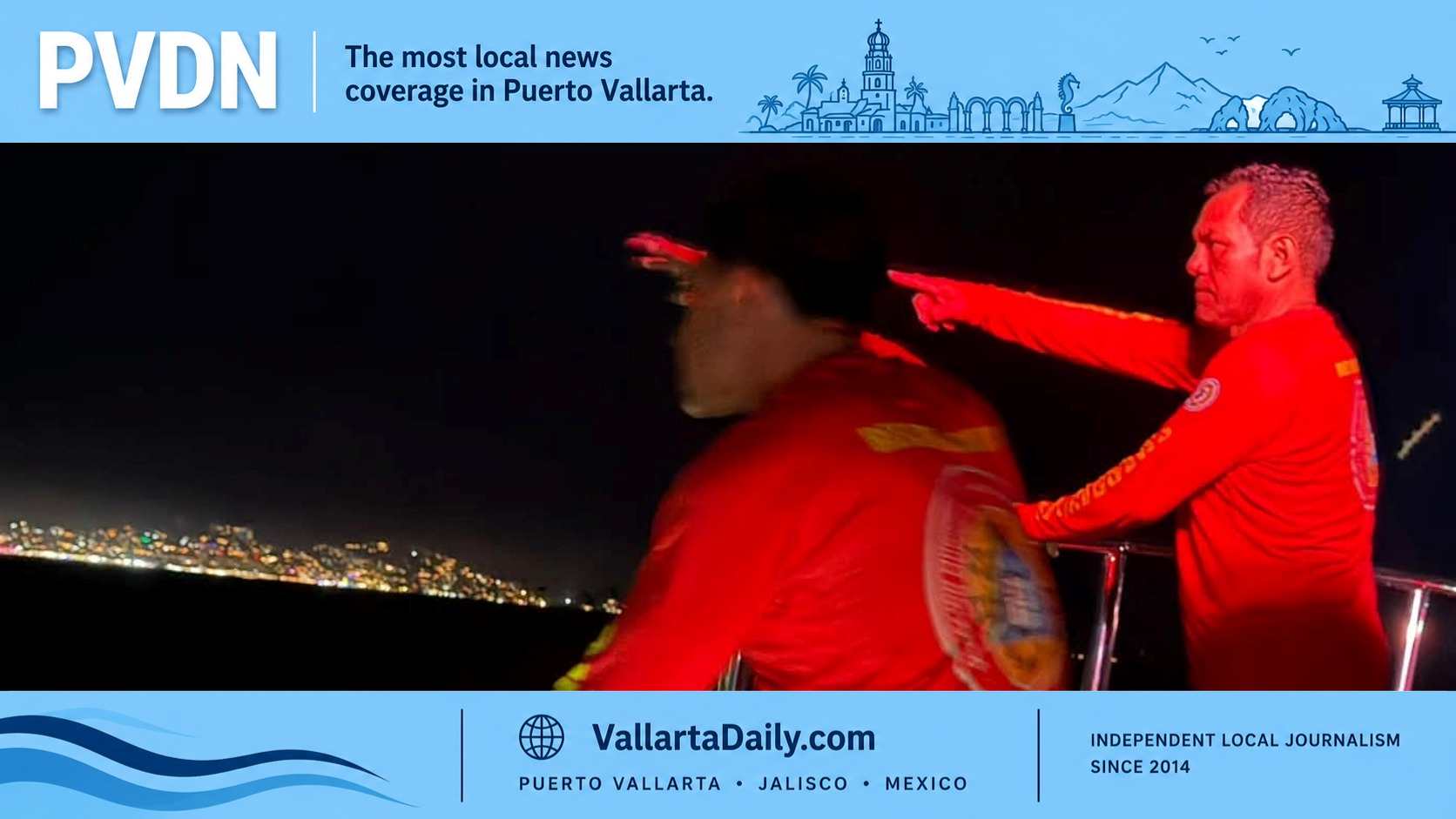
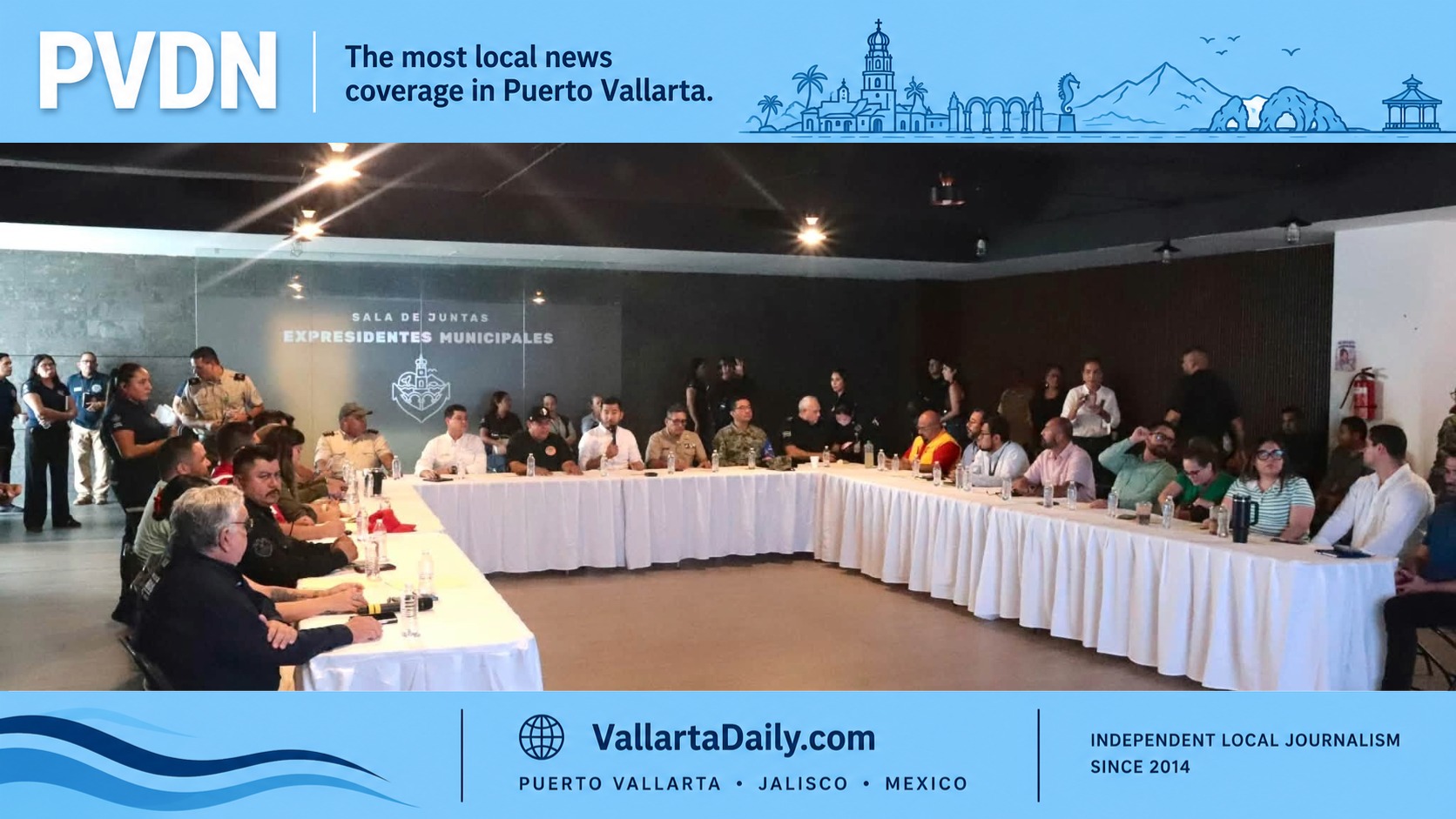
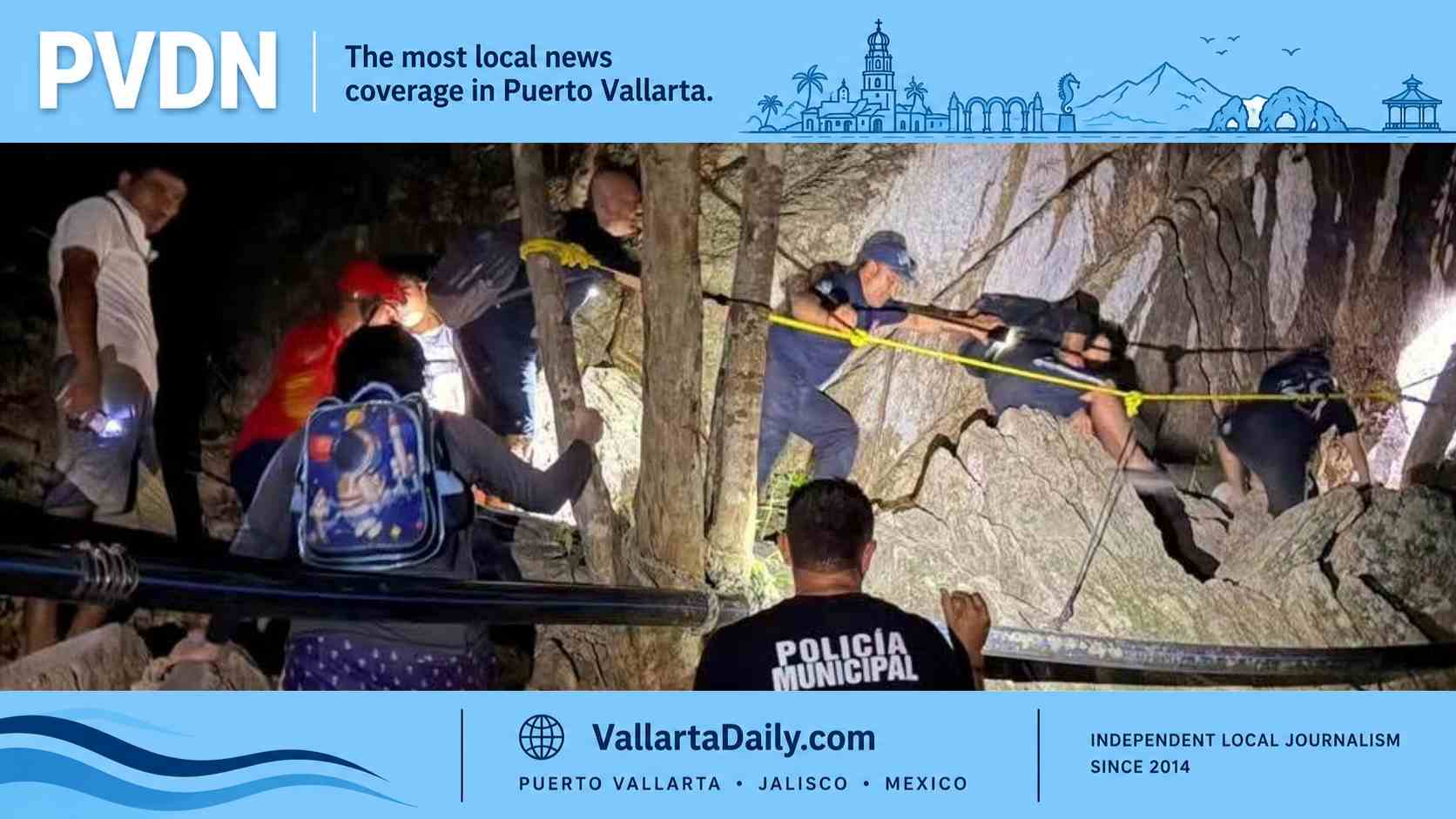
The latest municipal update put the fire at 80 percent controlled and 65 percent liquidated, with an estimated 146 hectares of vegetation affected. A June 3 update said the deployment had grown to 82 people, including 54 brigade members and 14 logistics workers, as well as personnel from the Navy, CONAFOR, the state Secretariat for Sustainable Development, and civil protection crews from Bahía de Banderas and Compostela.
The numbers mark progress, not an all-clear. Control means crews have limited the fire’s advance. Liquidation means crews are putting out hot spots inside the burned area so embers do not take hold again.
That last phase is where the San Pancho fire remains unfinished. Officials said wind gusts and the size of the burned terrain have slowed the work, which is being done mostly on foot and by hand.
Wind and terrain slow the final phase
The fire began Sunday afternoon, May 31, near the Cerro de San Pancho, one of the most visible mountains behind the coastal community, also known as San Francisco. By Wednesday, June 3, crews were still assigned to hot spots, patrol lines, and areas already contained.
On June 1, Protección Civil Director Lucero Rodríguez described the operation as “nuestro tercer periodo de trabajos en el control y liquidación del incendio forestal aquí en San Pancho” in a municipal video update. By the next day, the municipality reported the fire at 60 percent controlled and 50 percent liquidated, with the affected area already estimated at 146 hectares.
Earlier updates said crews were using direct attack, firebreak openings, hot spot monitoring, and permanent watch lines. Those are slow tasks on steep terrain. They also explain why the control number can rise faster than the liquidation number.
The remaining work is less visible than the flame front, but it is often the more stubborn part of a mountain fire. A single hot stump, root system, or patch of dry fuel can keep heat in the ground after the perimeter looks quiet.
Regional fire pressure around the bay
The San Pancho response is also unfolding during a week of fire pressure around the bay. Puerto Vallarta has been dealing with the separate El Gavilán fire response, in which water tanker crews were recognized for supplying 1.5 million liters during a five-day operation.
The San Pancho fire is different. It is burning vegetation in mountain terrain rather than waste at a landfill. The link between the two events lies in the strain on emergency crews, water-supply logistics, and air-quality monitoring during the dry-to-rainy-season transition.
The official updates reviewed did not confirm a cause. They also did not give a timeline for full liquidation. Crews remain in the hills to keep the contained sections from reigniting while the last active heat is extinguished.