A burst pipe on a busy corner. A sewer line choked with grease steps from the beach. Last week, crews from SEAPAL moved fast on dozens of fixes—some in the middle of Vallarta’s most walked streets. Officials say the agency repaired 139 leaks and carried out 351 actions across neighborhoods from February 2–8, pairing emergency responses with behind-the-scenes upgrades meant to steady pressure and reduce backups. Here’s what was repaired, where it happened, and what residents may notice next.
A week of work across Vallarta
Between February 2 and February 8, SEAPAL Vallarta says it redoubled its on-the-ground response to water and sanitation problems, repairing 139 leaks across the drinking water and drainage network. In total, the agency counted 351 separate actions in streets and neighborhoods, the kind of work most people only notice when something goes wrong: sudden drops in water pressure, a wet patch that won’t dry, or a sewer smell that doesn’t belong in the tropics.
The utility framed the week as coordinated work between operational departments and part of a broader push by the municipal government, led by Luis Munguía, to keep basic services improving. For residents, that translates into a mix of quick-response repairs and maintenance aimed at preventing the same issues from reappearing a few blocks later.
Romantic Zone hot spots and rapid response
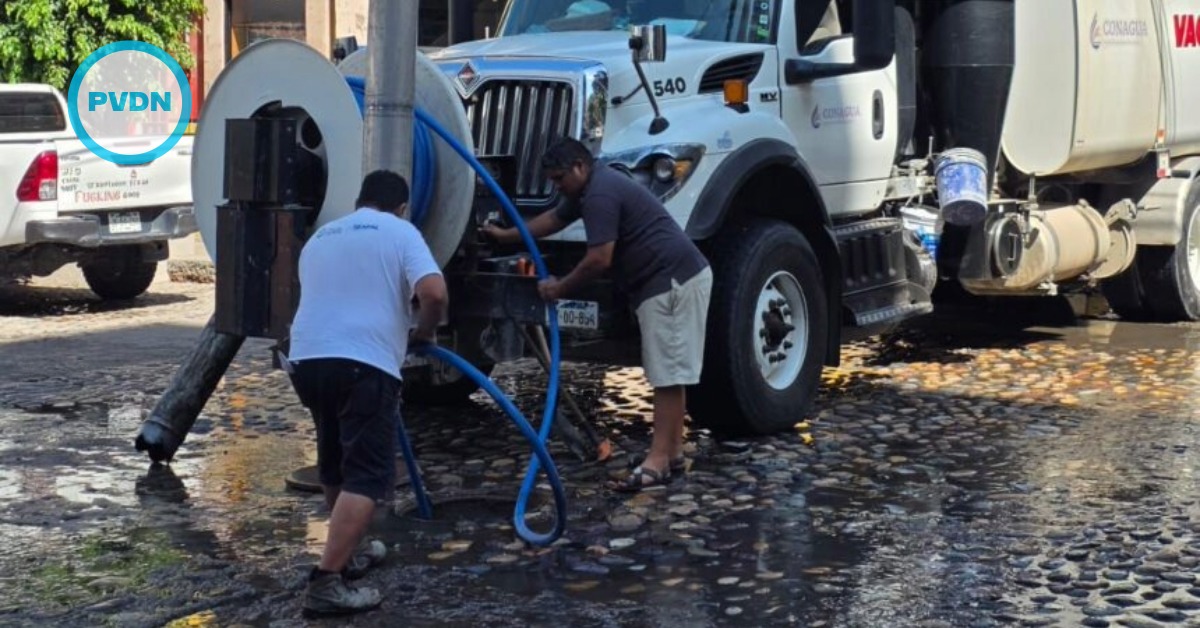
Some of the most visible fixes landed in the heart of the Romantic Zone, where daily foot traffic and older infrastructure tend to collide. Crews repaired a drinking water pipe at the intersection of Ignacio L. Vallarta and Lázaro Cárdenas streets and cleared a sanitary sewer blockage caused by grease at the intersection of Constitución and Venustiano Carranza streets. SEAPAL said both interventions were carried out as quickly as possible after receiving citizen reports, with the goal of protecting water quality, public health, and the local environment.
For anyone living or staying in that area—especially in buildings with older plumbing or shared lines—these problems can ripple quickly. A single break can trigger pressure changes, while a grease-heavy blockage can back up without much warning, particularly in neighborhoods dense with restaurants and short-term rentals.
The numbers behind the repairs
SEAPAL’s Potable Water Distribution Department reported repairing 92 leaks and 20 broken pipes during the week, along with 48 pothole repairs linked to its interventions. The department also carried out 43 additional maintenance projects, expanded 72 network sections to strengthen supply in strategic areas, and built a new valve box—an unglamorous piece of infrastructure that can be critical when crews need to isolate a section of line without disrupting an entire neighborhood.
On the sanitation side, the Wastewater Collection Department reported repairing 24 leaks and three broken pipes, addressing 18 clogged drains, and completing a slate of cleanup work, including manhole cleanings and septic tank servicing. It also replaced three manhole covers and repaired one pothole as part of its work.
Taken together, the week’s activity reads like a portrait of how a coastal city’s pipes actually behave: not one big crisis, but dozens of small, urgent issues that need to be handled quickly so they don’t become the kind of problem that reaches homes, businesses, and the bay.
What residents should watch for
In the short term, a burst of repairs like this can mean brief disruptions—crews working in the street, temporary lane narrowing, or newly patched sections of pavement that look rough before they’re properly finished. In the medium term, the bigger question is whether the combination of leak repairs, targeted maintenance, and network expansions reduces repeat calls in the same zones.
For expats who plan their days around predictable water pressure—laundry, showers before work, hosting guests—these updates are worth noting because they hint at where the system has been under strain. And for anyone in restaurant-heavy corridors, the grease-related blockage is a reminder that what goes down a drain doesn’t always stay out of sight for long in a shared network.