A Guanajuato criminal-law case has moved from a state penalty dispute to a Supreme Court ruling with nationwide reach. The court reviewed how the law treated parents or tutors who force children into conversion practices, and whether an adult’s “informed consent” could block prosecution. The decision changes what remains of the state article and puts the court’s reasoning on children’s rights, family authority, and LGBTQ protections into the national record for future legal disputes.
Supreme Court removes two penalty carve-outs
Mexico’s Supreme Court invalidated two paragraphs of Guanajuato’s Article 239 b, removing a reduced penalty for parents or tutors who force children into conversion-therapy practices and striking a clause that treated adult “informed consent” as a criminal-law defense. The full court unanimously approved the project during its May 25 session, according to coverage by Excélsior and Milenio.
By removing those paragraphs, the court left the main offense in place: anyone who provides or forces a minor or legally incapacitated person to receive efforts to correct sexual orientation, gender identity, or gender expression faces two to six years in prison and a 20-to-60-day fine. The court file states that the invalidation will have retroactive effect as of Dec. 19, 2025, once the resolution is notified to the Guanajuato Congress.
How the Guanajuato law reached the court
The challenged language came from Decree 112, published Dec. 18, 2025, in Guanajuato’s official newspaper. CNDH filed the case Jan. 19, asking the Supreme Court to review the second-to-last and final paragraphs of Article 239 b of the state penal code.
Guanajuato’s text imposed only a 20-to-60-day fine and judge-ordered psychotherapy when the person responsible was the victim’s father, mother, or tutor. It also said the offense was excluded when an adult victim gave informed consent.
Court reasoning focused on family authority and consent
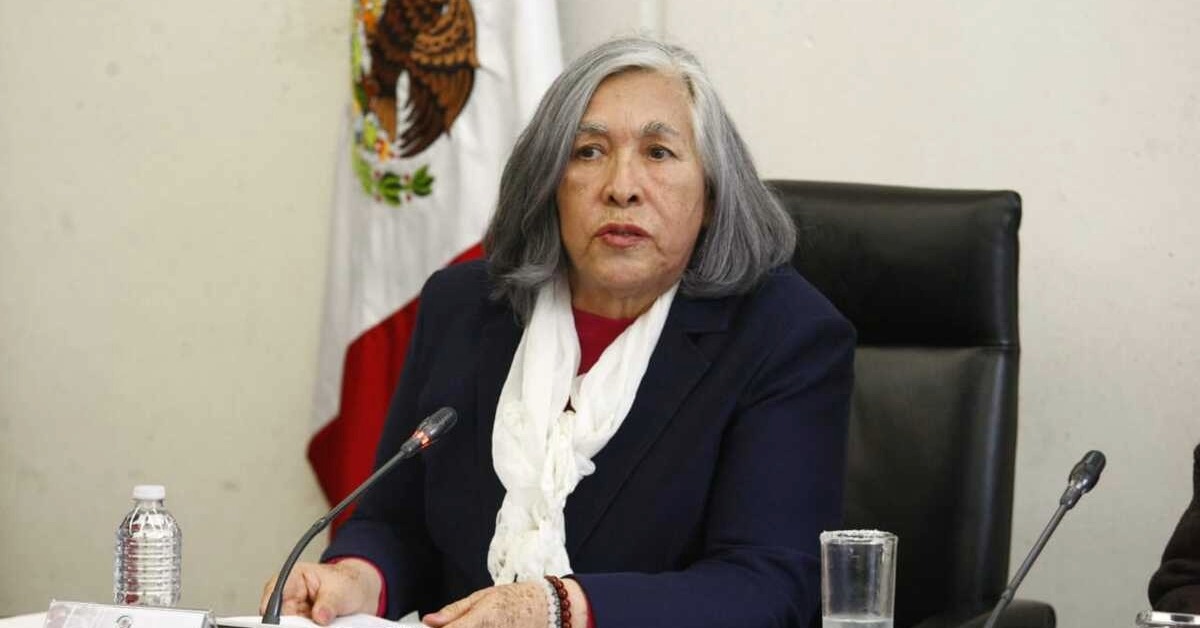
Justice María Estela Ríos González’s project stated that the reduced sanction violated the best interests of children, access to justice, personal integrity, the free development of personality, equality, and nondiscrimination. The court file also tied the analysis to the right not to be subjected to cruel, inhuman, or degrading treatment.
On the adult-consent clause, the court rejected the idea that a person can authorize practices that the court treated as rights violations. Its decision said recognizing consent in that setting would allow a person to authorize the denial of their own identity and weaken the state’s duty to investigate, prosecute, punish, and repair serious rights violations.
A state case enters the national record
Although the ruling directly changes Guanajuato’s criminal code, it came from Mexico’s highest court in an action of unconstitutionality filed by the National Human Rights Commission. That places the decision in a broader court record involving LGBTQ rights, children’s rights, family authority, and state criminal penalties.
Vallarta Daily has previously covered the national debate over conversion-therapy penalties, including the Mexican Senate’s 2022 vote on a federal criminal-law reform aimed at practices meant to change sexual orientation or gender identity. The Guanajuato decision adds a Supreme Court ruling on how state legislatures handle exemptions and lesser penalties in those laws.
The decision does not create a new nationwide criminal offense on its own. Instead, it invalidates the disputed Guanajuato paragraphs and orders publication in the federal Diario Oficial, Guanajuato’s official newspaper, and the Semanario Judicial de la Federación y su Gaceta.