He was headed to Puerto Vallarta with his family when armed men stopped them near a rural intersection. In minutes, their trip turned into a kidnapping, with relatives robbed and left on the roadside. Two days later, investigators found the tequila businessman’s body along the same stretch of highway. Now, as Jalisco prosecutors keep details close, the case is stoking fresh questions about who controls the roads that connect small towns to Mexico’s biggest tourist destinations—and what, if anything, will change.
A family trip turned into a kidnapping
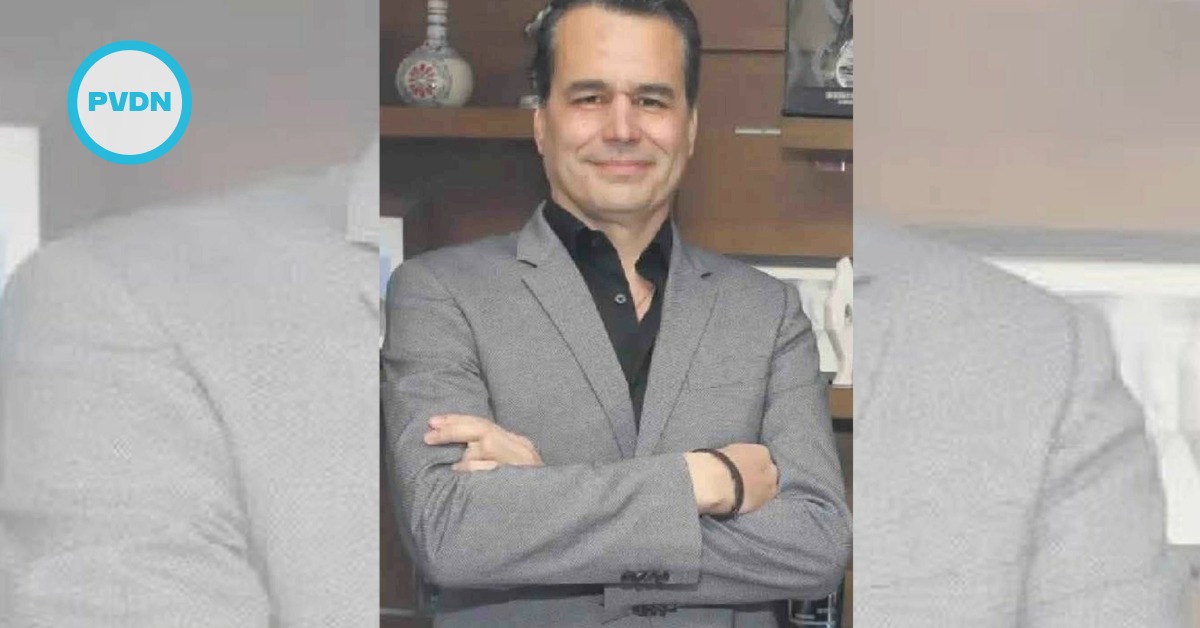
The disappearance of José Adrián Corona Radillo ended in tragedy, according to Jalisco authorities. Corona Radillo, described as a businessman in the tequila industry and president of Grupo Corona, was found dead on December 29 beside the highway linking Tonaya and Puerto Vallarta.
The events began two days earlier, on December 27, when he was traveling with his family toward Puerto Vallarta. Near a junction known locally as Los Volcanes, in the municipality of Atenguillo, a group of armed men intercepted their vehicle, according to the account provided in reports.
What happened next was fast and brutal. The attackers robbed the family members of their belongings. They then forced Corona Radillo out of the vehicle and took him away against his will. His relatives were left behind on the road.
For many people living in Mexico—especially expats who move between beach cities and inland towns—this detail hits hard. It wasn’t a late-night outing or an isolated backroad adventure. It was a family drive on a route tied to everyday movement between communities.
Found near the same highway where he was taken
After the attack was reported, state authorities launched a search operation. But the effort ended two days later, when Corona Radillo’s body was discovered on December 29 on the side of the same road he had been traveling. Officials said the location was very close to where the abduction took place.
Investigators reported that the body showed signs of violence and gunshot wounds. After forensic examinations were completed, the body was released to his family. The investigation remains open, with no public announcement in the details provided about arrests or identified suspects.
The geographic overlap between the kidnapping and the discovery matters. It suggests a crime carried out with confidence in the area, in plain view of a corridor that people use to reach Puerto Vallarta and surrounding towns. It also leaves the public with the most unsettling kind of clarity: this was not a disappearance that quietly faded into uncertainty. It ended with a body on the roadside.
Who he was and why this case is resonating
Corona Radillo was originally from Tonaya and led a family business known for producing spirits, including tequila and mezcal. In Mexico, that kind of business is often more than a company name. It’s a local identity, a source of jobs, and a point of pride tied to land, tradition, and reputation.
That’s one reason the case is drawing attention beyond Tonaya. When someone tied to a well-known regional industry is taken in this way, it signals vulnerability that many people feel but rarely say out loud. If a prominent businessman can be pulled from a vehicle while traveling with family, then anyone can picture themselves in that car.
The stretch of road and the surrounding region are also widely associated with organized-crime influence, including the presence of the Jalisco New Generation Cartel. For residents and long-term foreign neighbors alike, that context is not abstract. It’s the backdrop to how people plan drives, choose routes, and weigh risk when leaving city limits.
For expats who love the freedom of road trips—weekends to the coast, visits to inland pueblos, long drives through Jalisco’s mountains—the story lands as a reminder that Mexico’s safety landscape is not uniform. It can shift quickly from one municipality to the next. A road that feels normal in daylight can still be the scene of a targeted crime.
What is known, what is not, and what comes next
Right now, the publicly shared details paint a basic timeline: interception on December 27, a search launched after the report, and the body found on December 29 near the abduction site. The Attorney General’s Office has said the case remains open.
What has not been clarified in the information available is just as important. There is no public description here of a motive, no details about demands, and no explanation for why Corona Radillo was targeted at that moment. There is also no public accounting in these details of whether the attack was planned around his identity, whether it was opportunistic, or whether his family’s presence changed how the crime unfolded.
Those gaps matter because they shape how people interpret risk. When a crime looks random, fear spreads wider. When it looks targeted, people look for patterns—who was involved, what was the trigger, and whether it could happen again in the same way.
For now, what remains is the reality of a violent crime on a route connected to Puerto Vallarta, a destination that many foreign residents pass through or call home. The death of a regional business leader is not just a local tragedy. It becomes a measure of how safe people feel moving between the places that make up their lives in Mexico.