Heat is pushing a familiar coastal problem back into homes in Puerto Vallarta. Regional health officials say scorpions become more active in high temperatures and may move into cooler, darker spaces. Local reporting now cites 60 to 80 incidents during the hot season, with homes near hillsides, vacant lots, wood, cardboard, debris, and construction materials among the areas drawing concern. Officials are urging basic home checks, cleaner storage areas, and fast medical care after a sting, especially as the hottest weeks continue.
Puerto Vallarta heat brings more scorpions indoors
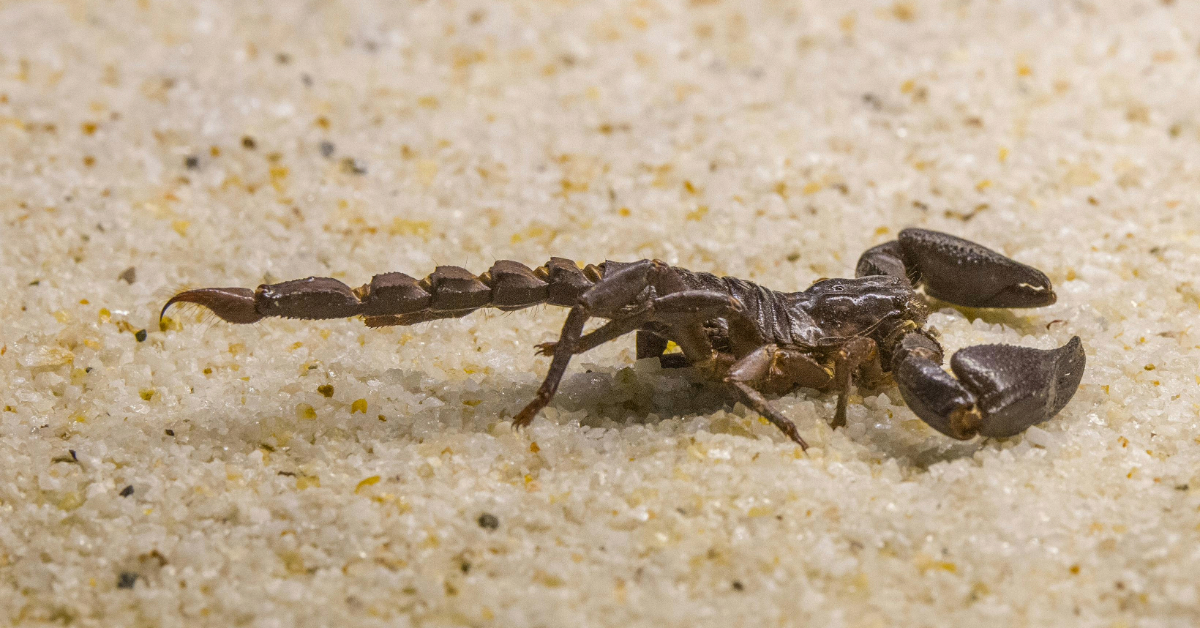
Puerto Vallarta health officials are warning of increased scorpion activity during the current heat. Local reporting cited 60 to 80 scorpion-related incidents in the city during the hot season.
The warning came from the VIII Región Sanitaria. Its director, Jaime Álvarez Zayas, said high temperatures speed up scorpion activity and can push the animals toward homes. According to a Contralínea report, scorpions may seek cooler, darker, and more humid spaces when heat and dryness intensify.
Where scorpions are more likely to appear
Health officials pointed to homes near hillsides, vacant lots, and parks. Those areas may see more scorpion activity during hot weather. Officials also cited wood, cardboard boxes, rubble, and construction materials as places where scorpions can hide.
That pattern can affect ground-floor homes, older buildings, and properties near green or undeveloped areas. In Puerto Vallarta, the warning is also tied to lots under construction and debris stored around homes.
Earlier state health guidance, reported by Meridiano Vallarta, said scorpion presence may increase during the heat and the upcoming rainy period. That guidance urged people to shake out clothing, shoes, and bedding. It also called for sealing cracks and keeping spaces free of materials that can shelter scorpions.
What health officials recommend at home
The local warning focused on prevention inside and around the home. Officials recommended shaking shoes and clothing before use. They also advised checking beds before sleeping and keeping patios and gardens clear of weeds, rubble, wood, and construction materials.
Other steps include sealing cracks in floors and walls and placing screens on doors and windows. Beds should stay away from walls. Bedding should not hang to the floor, since that can give scorpions another path onto the bed.
Vallarta Daily previously reported that regional health officials had warned of a rise in scorpion-sting incidents across the Puerto Vallarta health region. In that earlier report, hot weather was cited as a factor in increased activity.
What to do after a sting
Health officials said anyone stung by a scorpion should seek medical care immediately. They warned against using a tourniquet or trying to suck out the venom. Those actions can make the situation worse.
Birmex, the federal biological and reagent laboratory agency, also advises people to go immediately to a doctor, medical unit, or health center after a scorpion sting. Its guidance says people should not cut the sting site, suck out venom, drink alcohol, use a tourniquet, or try to catch the scorpion.
Birmex lists symptoms in three levels. Mild cases can involve pain, numbness, itching, swelling, or tingling near the sting. Moderate and severe cases can involve a broader range of symptoms. Those may include difficulty swallowing, muscle pain, changes in heart rhythm, breathing problems, or loss of consciousness.
In Jalisco, state health officials have said public health units have a therapeutic antivenom for scorpion stings. Earlier guidance also said people should not wait for symptoms to worsen before seeking care. That warning applies especially when children, older adults, pregnant people, or patients with chronic conditions are involved.
The latest Puerto Vallarta warning keeps the focus on home controls. Reduce hiding places, check clothing and bedding, and get medical attention quickly if a sting occurs.