At the height of whale season, Banderas Bay just logged another hard moment: a humpback calf with fresh propeller wounds. It is not an isolated case. In recent weeks, collisions in the bay have harmed whales and people, despite years of safety campaigns. With federal rules already on the books and restricted zones mapped out, the question is not whether protections exist. It is why they still fail when traffic, tours, and daily crossings share the same water.
A calf struck as the season reaches its busiest weeks
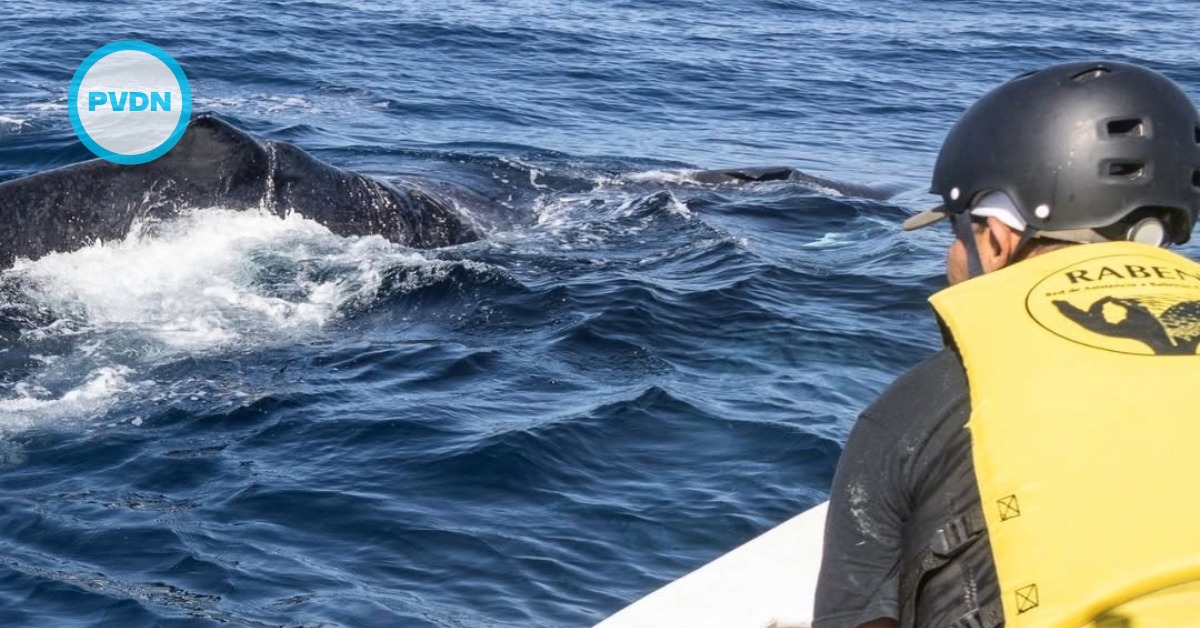
A humpback whale calf was struck by a vessel in Bahía de Banderas this week. It adds a grim new case to an already troubled season. Astrid Frisch Jordán, who leads Ecología y Conservación de Ballenas (Ecobac), said the calf had eight propeller cuts on its back. She called the team “sad and frustrated” after years of promoting slower boating. The animal was still alive, she said, but was unlikely to survive in the medium term. Ecobac described it as the third serious collision of the 2025–2026 season in the bay. Earlier in the season, a passenger died after a boat collided with a whale near Puerto Vallarta. Another whale, described as a female, was reported badly injured in a separate incident. The calf’s wounds were especially jarring because sightings of mothers and young have been steady. Frisch Jordán said researchers had observed more than 15 calves resting at the surface only days earlier. It is a common winter scene here, even in years when the surface water runs warmer.
Why Banderas Bay keeps seeing close calls
Bahía de Banderas is built for whales, and for boats. Every winter, humpbacks arrive to mate, give birth, and nurse calves in calmer water. Mothers often pause near the surface while calves rest and learn to swim. That habit makes them easy to spot, but also easy to hit. The bay is also a working corridor, not just a tour route. Water taxis, fishing pangas, private cruisers, and tour boats share the same narrow coastal strip. In that mix, a moment of inattention can turn catastrophic. A whale can surface without warning, and a small vessel can be thrown off balance on impact. Even when operators mean well, speed can close the window to react. Phone use at the helm has become a quiet but real risk, especially on calm days. For expats who live on both sides of the bay, this is not an abstract issue. It affects the safety of routine crossings, weekend outings, and the tourism economy that keeps many businesses afloat.
Rules, restricted zones, and what enforcement looks like
Mexico already has detailed whale‑watching rules, and the calendar for this season is clear. Federal guidelines require permits for whale‑watch tours and set strict conduct when whales are present. They call for speeds under five knots in observation areas, and slower still in the viewing zone. They also limit how many boats can approach, how long they can stay, and how close they can get. A 240‑meter waiting distance applies to all vessels in the queue. The same rules bar boats from cutting between a mother and calf, and ban the use of sonar to locate animals. For Bahía de Banderas, the official season runs from December 8, 2025, through March 23, 2026. Two restricted areas are set aside because mothers and calves concentrate there. One is a 1.5‑kilometer radius around the Islas Marietas. The other is a two‑kilometer coastal strip from Punta Mita to the mouth of the Río Ameca. The latest collision suggests the toughest challenge is not writing rules. It is enforcing them on all kinds of boats, not just for tour operators. Passengers can help by choosing permitted operators and asking about speed practices. A phone‑free helm should be treated as basic seamanship.