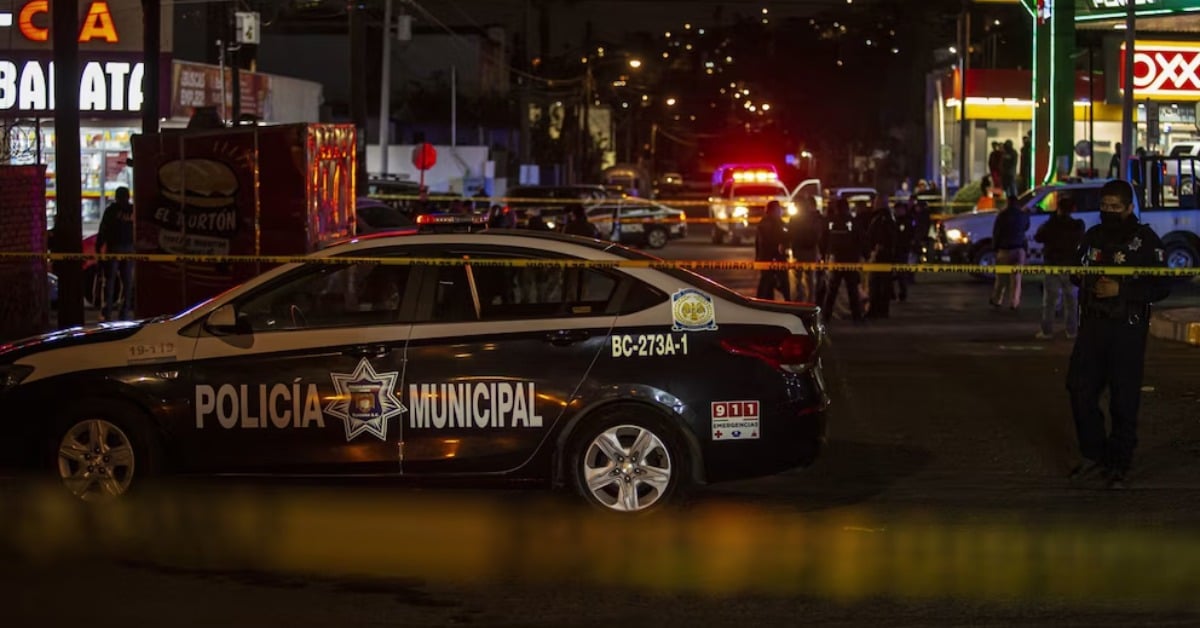
Two bodies bearing narco messages were discovered in separate locations in Tijuana on Friday, part of a burst of violence that generated multiple crime scenes across the city. ZETA reported the findings and noted no arrests at press time. The discoveries arrive just days after City Hall touted a drop in August homicides, a reminder of how quickly the security picture can shift at the border. Here’s what we know so far, what authorities are reporting, and how the latest killings fit into this year’s pattern.
Tijuana narco messages
ZETA reported that two bodies were found with criminal messages during a violent stretch in Tijuana, with additional incidents logged the same day and no detentions reported when the note went live. The outlet detailed where the scenes were located and how authorities processed them, updating the city’s running toll of killings.
The appearance of written threats alongside a corpse is sadly not rare in Tijuana. In recent weeks, local media documented cases where cartels or mafias were left with victims, signaling feuds and pressure campaigns within the city’s criminal ecosystem. Those reports included finds in neighborhoods to the east and near major corridors, often arriving in clusters rather than isolated events.
The day’s tally against a volatile backdrop
Even before Friday’s discoveries, this week has seen repeated homicide bursts. El Sol de Tijuana logged seven killings in the early hours of Thursday, underscoring how fast the numbers can escalate across several colonies. That dispatch, published on September 4 and visible in the September 5 index, listed shootings and an “encajuelado” among the scenes.
City officials, for their part, have emphasized a short-term improvement. Municipal security says August 2025 closed with 85 homicide victims, down sharply from 162 in August 2024—a figure echoed by multiple outlets that quoted the police department’s summary. The month-over-month snapshot is real, but daily spikes like Thursday–Friday show that residents still live with sudden swings in risk.
What the messages may signal—and what we can responsibly say
Narco messages are meant to intimidate rivals and telegraph control over territory, routes, and even police behavior. They do not always translate into immediate arrests or clear attribution, and they rarely come with verified authorship. Prior incidents this summer referenced threats against police or rival cells; other notes invoked major brands within national cartels. It’s important not to over-read a single message, but the pattern, taken together, tracks with Tijuana’s long-running struggle between competing networks.
Beyond the city line, Baja California remains the state where most of the region’s murders concentrate. However, this year’s daily average has dipped from pandemic-era peaks, according to national press analyses of official mortality data. That broader context helps explain why each day’s count in Tijuana matters politically as well as personally.
What’s next
As of publication, authorities had not announced arrests tied to Friday’s finds. Forensics and prosecutors typically start with the recovery of physical evidence and camera pulls, then move to pattern work across recent cases with similar notes or disposal methods. That spadework takes time. Meanwhile, residents continue to shoulder the uncertainty—scanning local updates, rerouting around taped-off corners, and waiting for the following official brief. ZETA’s newsroom and other local desks will likely update the toll through the weekend.