Claims addressed that the United States had quietly stripped the mayors of Puerto Vallarta and Bahía de Banderas of their visas.
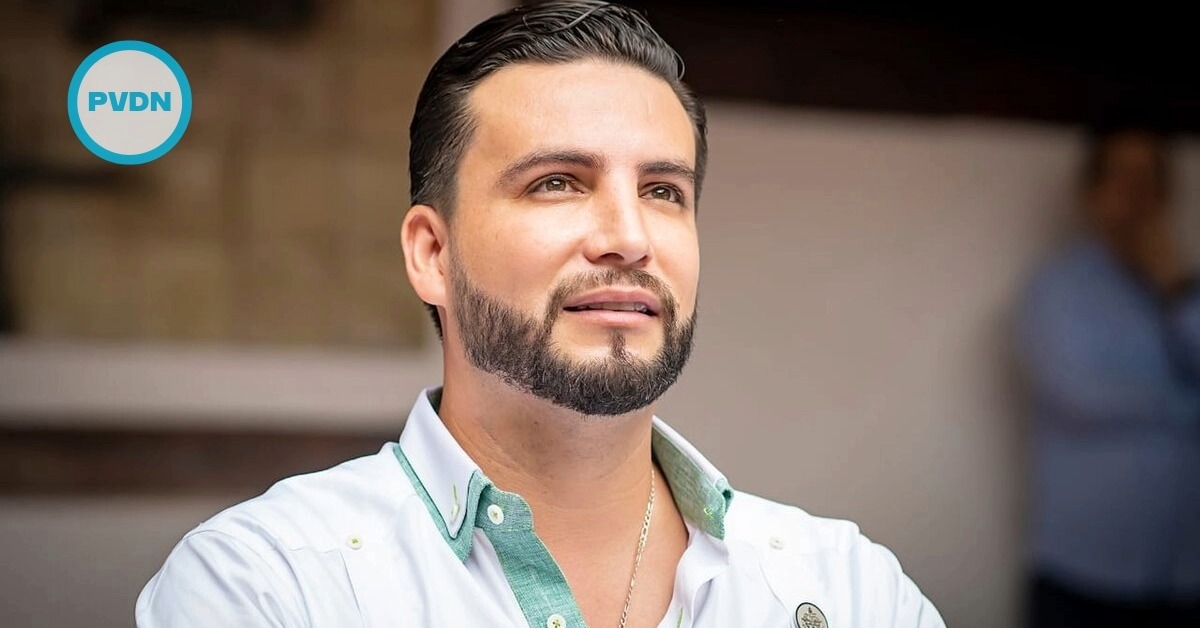
The phones of Puerto Vallarta city hall and Bahía de Banderas’ municipal palace have been busy. Over recent days, viral posts claimed that the United States had revoked the visas of Puerto Vallarta Mayor Luis Ernesto Munguía González and Bahía de Banderas Mayor Héctor Javier Santana García. Some messages even framed the alleged move as part of a wider purge of Mexican politicians.
On Thursday, both city halls moved to shut that talk down. Their communications directors, Juan Carlos Peralta in Puerto Vallarta and Brayan Quintero in Bahía de Banderas, said the mayors’ visas remain active and that there is no notification of any adverse action by U.S. authorities. In short, they insist the US visa rumors are false.
Peralta and Quintero stressed that, as of this week, the mayors continue to hold valid documents that allow them to enter the United States. They also said they are not aware of any ongoing review or proceeding that could affect that status. That point matters because actual visa cancellations generally follow a formal process, even if the reasons are never made public.
US visa rumors and local politics
The rumor storm did not appear out of nowhere. It arrived in a national climate where the cancellation of visas for Mexican officials has become a political weapon and a source of public drama.
In recent months, the U.S. government has revoked visas for more than fifty Mexican politicians and public officials, including sitting governors, mayors, legislators and senior bureaucrats. Public explanations have been scarce, but U.S. officials have said in general terms that visas can be pulled for activities that go against Washington’s interests, such as suspected corruption, organized crime ties, or migration and security concerns. Those restrictions are part of a broader strategy against drug cartels and their possible political protectors.
Under U.S. law, consular officers and the State Department have wide discretion to revoke a visa at any time if they believe new information makes the holder ineligible or raises security questions. The law does not require a criminal conviction. It does not even require a public explanation. For the person affected, the first sign of trouble is often at the border or in an airport check.
Against that backdrop, the idea that the mayors of Puerto Vallarta and Bahía de Banderas could be on a secret list has obvious political punch. Both men already face heavy criticism at home for local issues, from development disputes to questions over their handling of public services and city finances. A claim that the United States had singled them out fits neatly into existing narratives pushed by rivals.
The communications teams, however, say those narratives are not backed by facts in this case. They argue that local political actors used a real national story – the wave of cancellations for high-profile figures elsewhere – to give weight to unverified claims at the bay.
For residents, this leaves an uncomfortable gray zone. The U.S. government rarely talks about individual visas. Mexican authorities also tend to keep quiet, unless an affected official chooses to go public. That silence creates fertile ground for speculation every time a politician falls out of favor, faces an investigation, or becomes embroiled in a scandal.
Trust, transparency and what we still do not know
There are two parallel realities at play. The first is national. Visa revocations are happening at an unusual scale. Mayors in border states, former governors, security officials and other public figures have already acknowledged losing their permission to enter the United States. The trend signals harder pressure from Washington and sends a message that even senior politicians are not immune.
The second reality is local. In Puerto Vallarta and Bahía de Banderas, there is no official evidence that the mayors have joined that list. U.S. authorities have confirmed no cancellation. The mayors have not publicly said their visas were pulled. Their spokespeople say the documents are valid and that they have checked the status directly.
That does not mean residents should stop asking questions of their leaders. Scrutiny of public officials, especially in tourist corridors where money flows quickly and land is valuable, is healthy. But there is a difference between pressing for answers on visible decisions – such as real estate permits, water service or public security – and spreading claims about secret foreign sanctions without proof.
The episode exposes a gap in public communication. On one side, the United States uses visas as a quiet instrument of pressure, often without saying why a person was targeted. On the other hand, Mexican institutions seldom explain how they respond when an official’s visa is canceled, or what standards they apply to keep or remove a person from office in those cases. In the middle, communities are left to decode rumors, anonymous messages, and partial leaks.
For now, what can be said with confidence is limited. According to their own administrations, the mayors of Puerto Vallarta and Bahía de Banderas are still able to travel to the United States. There is no public record of a cancellation, and no formal process has been acknowledged on either side of the border.
Whether the US visa rumors will fade or flare up again may depend less on what happens in a U.S. consulate and more on what happens in city hall. As long as trust in local government remains fragile, stories of secret punishments from abroad will continue to find an audience, even when the facts say otherwise.