The holidays leave behind more than glitter and string lights. In Puerto Vallarta, the quickest giveaway is the natural pine tree left on a corner, waiting for someone else to deal with it. City crews are running a dedicated Vallarta Christmas tree pickup through Jan 15, with daily rounds at six drop-off spots across town. The catch is that there’s no staff standing by, so you’ll want to know exactly where to go and what to do before you unload your tree.
A quick fix for a predictable mess
Once the decorations come down, real trees become a weird kind of waste: too bulky for most bins, awkward to store, and easy to “temporarily” leave outside until that temporary decision becomes a permanent eyesore. Puerto Vallarta’s municipal government, under Mayor Luis Munguía González, is keeping its post-holiday collection program active as part of the “Todos contra la basura” effort to reduce dumping and keep public spaces clean.
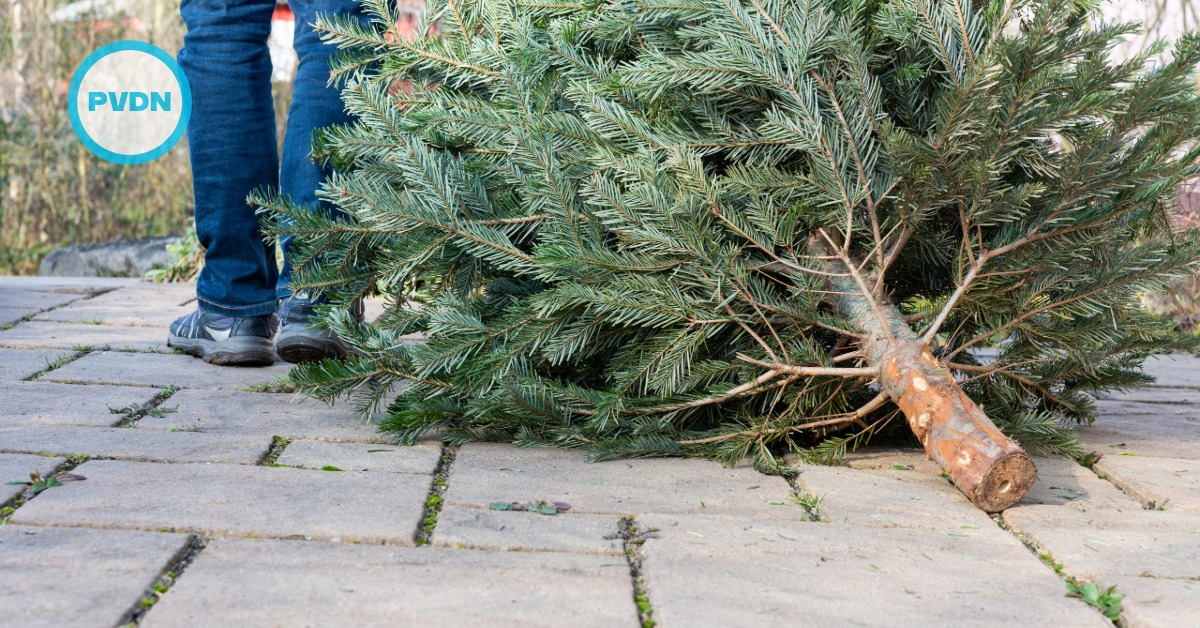
The goal is simple: get natural pine trees off sidewalks and out of places they don’t belong, like riverbanks and natural areas. The city says crews will make daily collection rounds through Thursday, January 15, so trees left at the designated sites don’t sit there for long.
Where to drop off your natural tree
Residents are asked to take natural pine trees to any of the six collection points distributed around the municipality: the Agustín Flores Contreras Sports Unit in the central area near the flagpole; the Alfonso Díaz Santos Sports Unit in the La Bobadilla neighborhood at the entrance to the offices; the La Lija Sports Unit via the Guatemala Street entrance; the Ixtapa Dome in the parking area; the Mojoneras public square; and the Las Juntas public square.
If you’re an expat who’s still getting your bearings, the easiest rule of thumb is to choose the closest point to your neighborhood and treat it like a drop-and-go zone. You don’t need to track down an employee or wait for a truck to arrive. The program is designed around regular rounds, not staffed handoffs.
What happens after you leave it there
The city’s service teams will pick up trees from each point during their daily routes. There won’t be permanent personnel stationed at the drop-off sites, so it’s normal if the area looks unattended when you arrive. Still, it’s worth taking an extra moment to leave the tree neatly in the designated space so it doesn’t block walkways or parking access.
Before you go, remove decorations, lights, and any non-organic stands or bases. A “clean” tree is easier to handle and far more likely to be processed the way the program intends, rather than becoming a tangled, mixed-material headache.
For most residents, this is one of those small civic habits that pays off fast. Fewer abandoned trees means fewer clogged corners, fewer windy-day blowouts into streets, and less debris drifting toward waterways. It’s not glamorous, but it’s the kind of practical cleanup that makes the city feel looked after—especially in January, when everything is trying to reset.