A tourist’s death at a Mexican resort rarely ends with the first police report. Families may face local prosecutors, forensic exams, consular paperwork, funeral decisions, insurance questions, and long waits for official records. The death reported at Dreams Playa Mujeres shows how quickly basic facts can become public while the most important answers remain inside a formal process that moves at the pace of local authorities, medical examiners, and international paperwork.
A resort death is only the start of the process
A 41-year-old U.S. tourist died in April after reportedly falling into a pool at Dreams Playa Mujeres, a resort in the continental zone of Isla Mujeres. The first reports identified him as Dave Thomas and said authorities were reviewing the circumstances through Mexico’s forensic process.
A Wilmington, North Carolina, obituary for David Pryse Thomas III lists April 25, 2026, as his date of death and gives his age as 41. It does not describe the circumstances or location of his death.
That gap is common after a sudden death abroad. The public may know a name, a hotel, and a rough timeline before the official cause of death is confirmed. Families may still be waiting for records, autopsy findings, consular documents, and funeral arrangements.
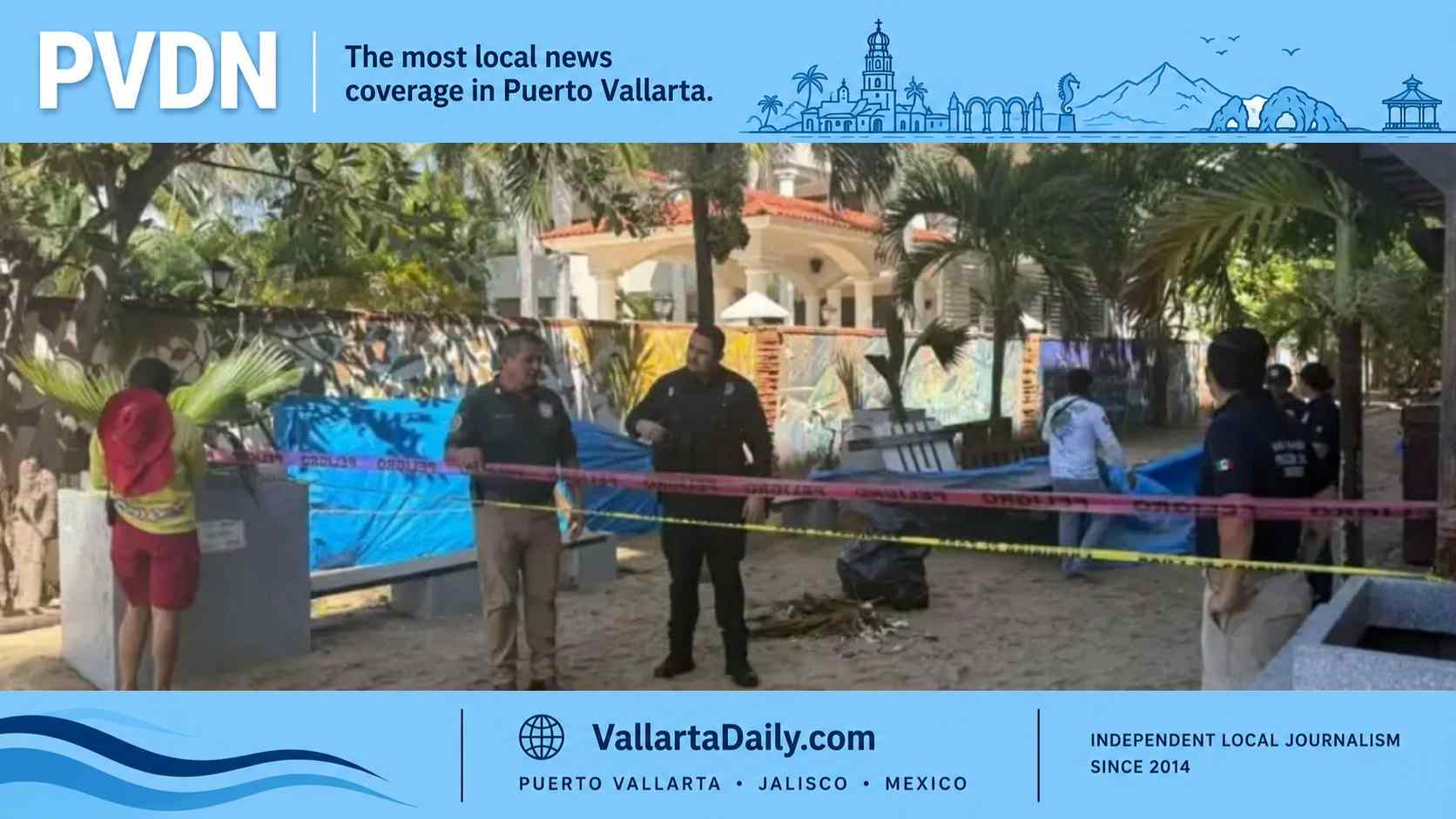
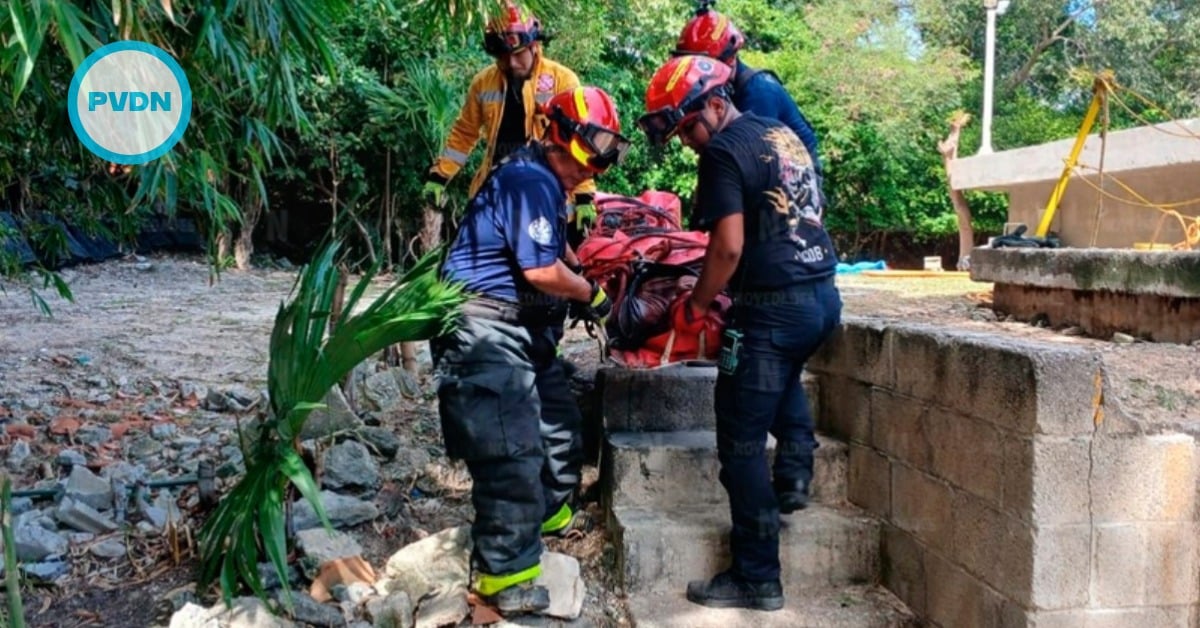
The earlier report on the U.S. tourist death near Isla Mujeres said the man was found without signs of life in a pool area after hotel staff searched for him. Paramedics confirmed he had no vital signs. Municipal police and investigative authorities later processed the scene.
The key point was not the location alone. It was the unanswered sequence of events.
The first report rarely answers the main question
Early accounts said security camera footage appeared to show the man falling into the pool area before dawn. The pool was described in initial reports as about four meters deep, though that detail would need to be confirmed during the investigation.
Investigators still have to determine whether the death involved drowning, trauma, a medical event, alcohol, medication, delayed discovery, poor lighting, or another factor. Some of those questions can only be answered through the autopsy and related forensic findings.
That is why careful reporting avoids calling such a death an accident before authorities do. In legal and medical terms, an accident is not just a casual description. It can become a finding about the manner of death.
The public record in the Dreams Playa Mujeres case has not shown that authorities reached that conclusion.
What Mexico authorities usually do first
When someone dies unexpectedly in Mexico, local authorities handle the initial investigation. Police secure the scene. Prosecutors or ministerial police gather statements and evidence. Forensic personnel take custody of the body.
The body is commonly transferred to Semefo, Mexico’s forensic medical service, for an autopsy. That step can determine the medical cause of death and help prosecutors decide whether the case requires further investigation.
Hotels, witnesses, emergency responders, and security staff may all become part of the record. Video footage can help establish a timeline, but it does not replace medical findings.
That distinction matters in resort settings. A camera may show a fall. It may not show whether the person was already impaired, injured, ill, or in distress.
What the U.S. government can and cannot do
The U.S. government does not take over a death investigation in Mexico. Local authorities remain responsible for the legal and forensic process.
The U.S. State Department guidance on deaths abroad says consular officers can “provide assistance and information” after a U.S. citizen dies outside the country. That can include helping families communicate with local authorities, explaining local funeral options, and helping with documents.
The department also says it cannot usually issue a Consular Report of Death Abroad without a foreign death certificate or a finding from a competent local authority.
That report can be important after the body is returned or burial arrangements are complete. Families often need it for insurance, estate issues, bank matters, and other legal steps in the United States.
The State Department says it does not pay to return remains or ashes to the United States. Families usually must cover those costs through private funds, funeral arrangements, insurance, or other means.
Returning remains can require several documents
The paperwork can be more complicated than many travelers expect.
The State Department says several documents are generally needed to return remains to the United States. Those can include a local death certificate, a consular mortuary certificate, an affidavit from a local funeral director, and a transit permit.
The exact requirements can vary by case. They can also depend on local law, the condition of the body, the cause of death, and whether the remains are embalmed, cremated, or transported in another manner.
Mexico’s civil registry and forensic authorities may need to complete their own steps before the U.S. consulate can finish its documents. That can leave families in a difficult position, especially when they are trying to make decisions from another country.
A death certificate from Mexico may also be written in Spanish and prepared under local law. The State Department notes that foreign death certificates are often not accepted in the United States for estate and insurance purposes, which is one reason the consular report becomes important.
Resort pools can still carry serious risk
The Dreams Playa Mujeres case involved a hotel pool, not the ocean. That can make the death feel harder to understand from the outside.
Pools appear controlled. They are familiar, lit, designed, and part of the resort experience. But the risk does not disappear just because the water is on hotel property.
The CDC’s drowning prevention guidance says, “drowning happens in seconds and is often silent.” The agency also advises people to avoid alcohol before or during swimming because alcohol affects judgment, balance, and coordination.
The CDC’s travel water safety guidance also warns travelers not to swim alone in unfamiliar waters. That advice is usually associated with beaches, rivers, and diving trips, but the same logic can apply to resort pools late at night.
Other recent cases in Mexico show how difficult early assumptions can be. A Puerto Vallarta tourist death after a banana-boat ride was tied by authorities to a cardiac condition, not drowning. A separate report on a tourist found dead in a Puerto Vallarta condo pool also involved unanswered questions while authorities reviewed the cause.
The questions families are left with
After a sudden resort death, families often need answers from several places at once.
They may need the hotel timeline, the police report, the forensic findings, the death certificate, the consular report, insurance documents, and funeral or transport records. They may also need someone local who can work in Spanish and understand the legal process.
The first story usually answers what happened in the broadest terms. A person died. Authorities responded. The body was transferred for forensic review. The deeper questions take longer.
In the Dreams Playa Mujeres case, the confirmed public facts remain limited. A 41-year-old U.S. visitor died after reportedly falling into a resort pool on April 25, 2026. Authorities took the body for forensic review. A final public cause of death has not been confirmed in the available record.