In Mexico, a new breed of fuel theft is making criminals rich without a single pipeline tap. Known as “huachicol fiscal,” this sophisticated scheme exploits tax loopholes and corrupt channels to smuggle fuel in massive quantities. By disguising gasoline as other products and dodging hefty fuel taxes, organized crime nets billions of pesos in pure profit. How does this shadowy network operate – and why has it become such a gold mine for cartels? The answers reveal a lucrative convergence of crime, commerce, and corruption.
An Evolution in Fuel Theft
For years, fuel thieves in Mexico (known as huachicoleros) made headlines by tapping pipelines and siphoning gasoline under the cover of night. This traditional huachicol involved crude methods – literal holes in Pemex pipelines – and often dangerous confrontations. But today’s criminals have evolved beyond the wrenches and drills. Huachicol fiscal, or “tax fuel theft,” is a far more sophisticated racket. Instead of stealing fuel from pipelines, traffickers steal it on paper – exploiting legal import channels to evade taxes. This scheme operates in broad daylight through ports and border crossings, moving tanker-loads of fuel under falsified documents. By swapping physical theft for fiscal fraud, organized crime has found a safer, higher-yield way to pilfer Mexico’s fuel wealth. And it’s proving vastly more profitable than the old smash-and-grab tactics.
How Huachicol Fiscal Works
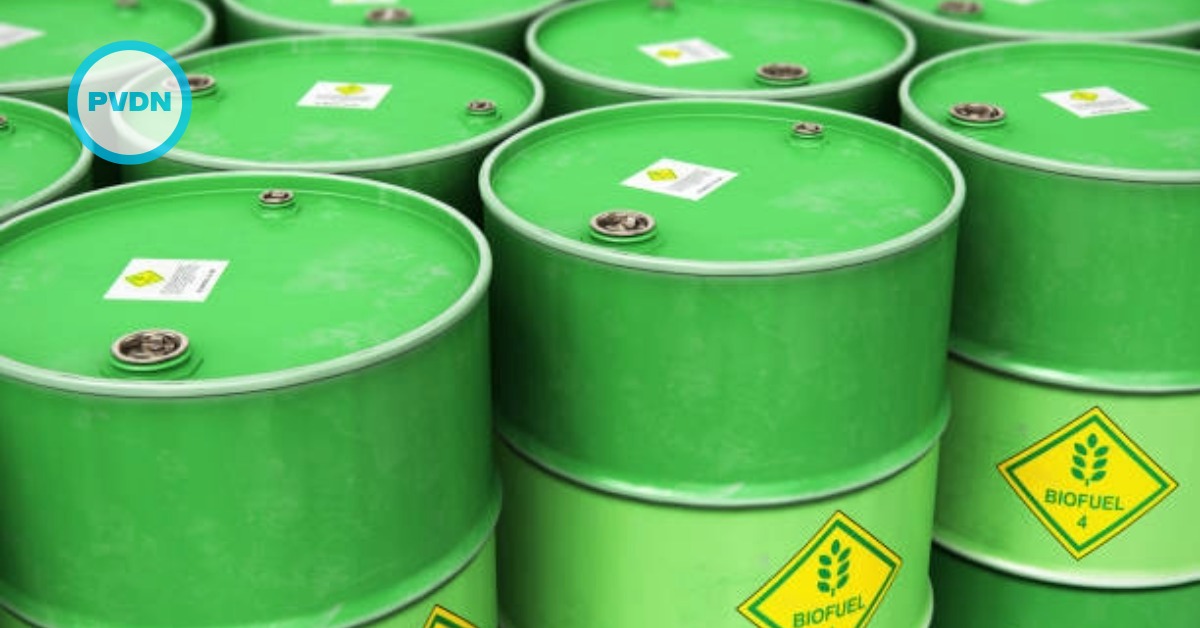
At the heart of huachicol fiscal is a simple ploy: misclassification and deceit. Crime networks import fuel into Mexico while pretending it’s something else. For example, a tanker ship may arrive from Texas declaring millions of liters of “lubricant oil additives” or other chemicals with low or no excise tax. In reality, the tanks are filled with regular gasoline or diesel. By mislabeling the cargo, the importers avoid Mexico’s IEPS – the Special Tax on Production and Services – that normally applies to fuel. The IEPS on gasoline and diesel is hefty, so dodging it means an instant cost reduction of several pesos per liter. With forged invoices, shell companies, and bribed officials smoothing the process, these shipments sail through customs without paying the proper taxes. What enters as “additive” comes out the other side as fuel for sale on the black market or even at legit gas stations. It’s effectively tax-free fuel, and that’s where the illicit profit lies.
Once inside the country, this untaxed gasoline is sold to willing buyers – independent gas stations or industrial consumers – often at a slightly below-market price. Because the smugglers didn’t pay the usual 16% VAT or the IEPS excise tax, they can undersell honest competitors and still pocket huge margins. It’s a win-win for the criminals and complicit vendors: cheaper fuel attracts customers, and the crooks still earn a windfall on each liter by keeping what would have gone to the taxman. Unlike traditional pipeline theft, which is laborious and limited by how much one can siphon with a hose, fiscal fuel theft moves millions of liters in one go. A single tanker ship or a convoy of tanker trucks can bring in tens of millions of pesos worth of fuel. With paper fraud and bribery as their tools, these networks operate at a scale that lone huachicoleros could only dream of.
Profits Fueled by Tax Loopholes
The profit margins in this scheme are staggering. Mexico’s fuel taxes are significant – the IEPS alone can add several pesos (a substantial percentage) to the cost of each liter of fuel. Avoiding those levies means billions of pesos in potential gain. Authorities estimate that if all tax-evading fuel imports were stopped, Mexico’s government would collect an additional 100 billion pesos (about US$ 5 billion) in revenue each year. That eye-opening figure hints at how much money is currently being diverted into criminal pockets each year.
Individual smuggling operations have yielded jackpot returns. In one recently exposed network, investigators found that more than 69 illicit fuel shipments had slipped through customs disguised as other products. By dodging the taxes on roughly 564 million liters of imported fuel, the perpetrators netted at least 3 billion pesos (about $150 million USD) in pure profit from that scheme alone. And that is just one ring that operated over a relatively short period. Multiply such scams across multiple ports and border entries, and it becomes clear why huachicol fiscal has been dubbed a “black gold” bonanza for those running it.
Crucially, these profits aren’t siphoned off in jerrycans by small-time thieves; they flow to major organized crime groups and corrupt business interests. The lucrative nature of fuel tax evasion has even drawn drug cartels into the game. Fuel might lack the glamour of narcotics, but it offers high rewards with arguably lower risks. In fact, U.S. security officials now warn that fuel theft (including tax-dodging schemes like this) has become the largest non-drug revenue source for Mexican cartels, financing their other illicit activities. The money from huachicol fiscal can fund everything from bribing officials to arming criminal enforcers – all of which helps perpetuate the cycle of corruption and crime.
Corruption and Collusion at the Border
To move fuel on such a massive scale without detection, criminal networks rely on something even more powerful than clever paperwork: corruption. Huachicol fiscal cannot succeed without the active collusion of insiders at various levels. Documents must be falsified, customs computer systems manipulated, and inspections waived or rubber-stamped. This means officials at ports, customs agencies, and even law enforcement have been complicit, whether through bribes or intimidation. Recent investigations into fuel smuggling networks have uncovered a web of institutional protection reaching into surprising places.
In one high-profile case, two Mexican Navy officers – both of them admirals – were arrested for allegedly orchestrating a fuel tax evasion ring. These were not rogue sailors, but high-ranking officials tasked with securing the ports. Prosecutors allege they used their influence to place loyal personnel in key customs posts, ensuring that tankers carrying contraband fuel passed through unchecked. Similarly, investigators have identified customs agents and even executives at oil import companies who helped “legalizing” these illegal imports through fake invoices and lab reports. The breadth of the collusion is startling: from port authorities and shipping agents to trucking companies and gas station owners, many stood to gain by keeping the scam going.
This corruption-driven protection racket has had violent side effects. The stakes are so high that whistleblowers and rival smugglers alike have been met with deadly force. Mexican media reports describe a “trail of murders and disappearances” linked to the huachicol fiscal underworld. One notorious figure, dubbed the “King of Huachicol,” was assassinated in 2021 amid rumors he was about to expose fellow accomplices. Other businesspeople and even a chamber of commerce leader who spoke out about fuel smuggling were likewise silenced. Such incidents underscore that fuel tax fraud is far from a victimless white-collar crime – it’s intertwined with the same brutality and intimidation common to the drug trade.
Unfair Competition and National Impact
Beyond the immediate profits for criminals, huachicol fiscal inflicts broader damage on Mexico’s economy and energy sector. Legitimate fuel importers and distributors are undercut by illicit suppliers who can charge less by evading taxes. Mexico’s state oil company, Pemex, and any above-board private competitors are essentially competing with ghost companies that sell untaxed fuel. This unfair competition not only siphons customers away from the formal market but also discourages legitimate investment in the fuel industry. Why invest in proper import infrastructure or refineries if contraband fuel is flooding in tax-free?
There are also safety and quality concerns. The clandestine nature of this trade means the fuel isn’t subject to the usual quality checks. Some of it may be substandard or adulterated, posing risks to engines or even causing accidents. Environmental and safety regulations can be skirted just as easily as tax laws in the rush to move product quickly. And when millions of liters of fuel are stored secretly in makeshift facilities (as has happened in some smuggling operations), the potential for spills, fires, or explosions becomes a very real public danger.
Meanwhile, the Mexican treasury bleeds. Hundreds of billions of pesos have been lost over recent years – funds that could have been spent on schools, hospitals, or infrastructure. The public, in effect, pays the price: either through higher taxes elsewhere to make up the shortfall or reduced government services. The fuel tax in Mexico is also used to stabilize consumer prices and fund social programs. When that revenue is stolen, the government’s ability to manage the economy and provide for citizens is undermined. In a sense, huachicol undermines the state’s fiscal foundation by eroding trust and depriving the nation of resources.
Government Response and Outlook
Mexican authorities are now trying to close the chapter on the fiscal issue of huachicol, but it’s a daunting task. In 2019, President Andrés Manuel López Obrador launched a military-backed crackdown on pipeline huachicol, drastically reducing siphoning incidents. However, the victory on one front seemed to push organized crime toward a more elusive tax-evasion method. For a while, the smuggling networks operated in the shadows with little interference. Officials in the previous administration flagged suspicious fuel imports and even filed complaints, but few cases saw any resolution. It wasn’t until recently that the scale of the problem became impossible to ignore.
Under President Claudia Sheinbaum’s government, a series of high-profile raids and arrests in 2024 and 2025 signaled a renewed commitment to tackling the issue. Multi-agency task forces have seized tankers laden with illegal fuel and shut down storage sites holding millions of liters of smuggled hydrocarbons. Dozens of individuals – including customs officers, business owners, and military personnel – have been detained for their roles in the schemes. These operations, touted as historic busts, mark some of the largest crackdowns on fuel crime in Mexico’s modern history. They also show a tactical shift: instead of only chasing low-level fuel thieves, authorities are pursuing the kingpins and facilitators behind fiscal huachicol.
The government is also looking at policy measures to stem the tide. One proposal is to tighten the Hydrocarbons Law, making it tougher to obtain and abuse fuel import permits. Stricter monitoring of fuel shipments, more robust customs oversight (possibly with international cooperation), and harsh penalties for offenders are on the table. Officials have vowed to strengthen customs supervision so that mislabeled cargoes can’t slip through so easily. There’s talk of modernizing tracking systems for fuel distribution and using data analytics to spot discrepancies between fuel exported from places like the U.S. and what’s reported at Mexican ports. All these steps aim to close the loopholes that huachicoleros fiscales have so deftly exploited.
Still, rooting out a lucrative corruption network is slow going. Powerful interests are invested in keeping the scam alive, and some observers note a historical lack of political will to prosecute well-connected fuel fraudsters. As crackdowns continue, there may be pushback in the form of legal challenges, political pressure, or even violent retaliation. The battle against huachicol fiscal is, in many ways, a test of Mexico’s resolve to uphold the rule of law in its economy. Success would mean not only reclaiming billions in revenue, but also reinforcing the principle that no one – not even influential business figures or officials – is above the law.
For the average person in Mexico, including expats making a life here, the unraveling of this scheme could carry tangible benefits: more stable fuel markets, a fairer business environment, and public funds going where they should. It’s a complex war being waged behind the scenes of the gas pumps, blending elements of white-collar fraud and organized crime. The outcome will hinge on whether authorities can sustain momentum in cleaning up the very systems that the huachicol fiscal networks corrupted. One thing is clear: as long as a gap exists between taxed and untaxed fuel, there will be those tempted to exploit it. Closing that gap – through enforcement or reform – is key to ending what has been a golden opportunity for Mexico’s criminal underworld.
With information from Animal Político, El País, FTI Consulting,Infobae