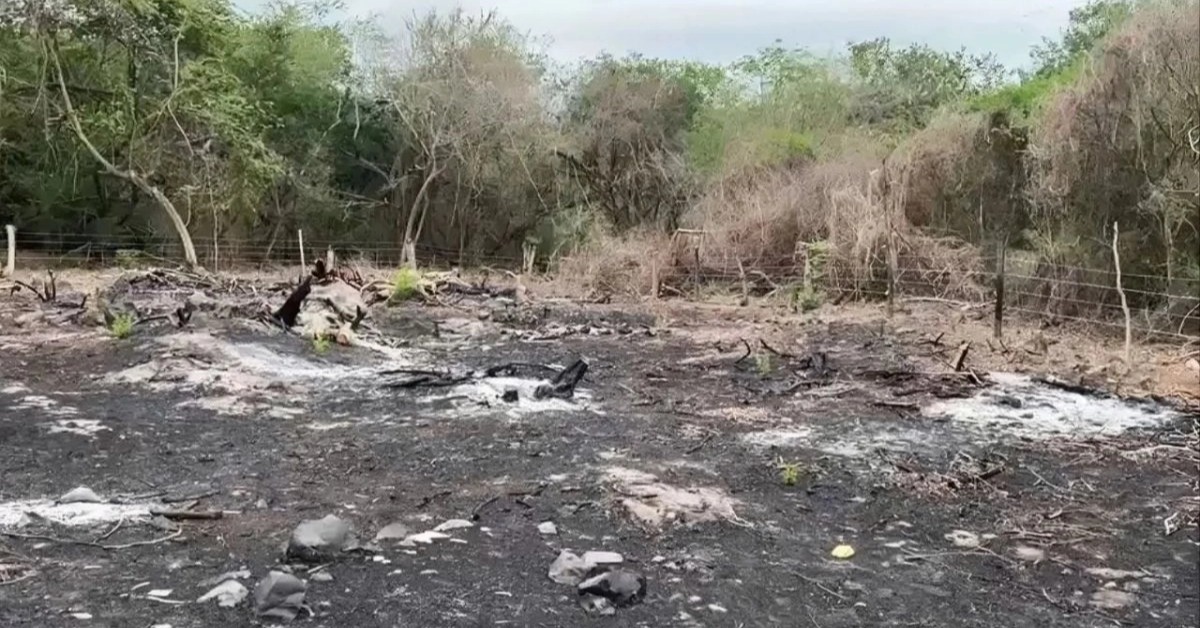
Puerto Vallarta, Jalisco, June 13, 2026 – Wixárika ceremonial authorities say vegetation was burned and trees were cut at Tatei Haramara, also known as Isla del Rey, a sacred site off San Blas, Nayarit. They are asking federal authorities to review the damage and enforce protections already granted to the site.
Rubén López de la Cruz, vice president of the Unión Wixárika de Centros Ceremoniales de Jalisco, Durango y Nayarit, made the complaint public in a video from the area on June 12. He described the damage as ecocide and said it affects ancestral cultural patrimony recognized by federal decree.
The case is regional but relevant to Puerto Vallarta and Riviera Nayarit readers who follow coastal land use, environmental enforcement, and Indigenous rights disputes in western Mexico.
Damage reported at Tatei Haramara
The complaint is being treated by Wixárika authorities as a sacred-site protection issue, not only as a land-clearing dispute. López de la Cruz said the site is used by Wixárika, Náayeri, O’dam, and Meshikan communities, and asked Mexican institutions to hold an urgent session on the case.
A June 12 report said San Blas Mayor José Antonio Barajas López was contacted Thursday afternoon, June 11, and said he was not yet aware of the matter. In the video cited by that report, López de la Cruz said, “It is not right that after the recognitions, these things are happening here in our sacred place.”
Tatei Haramara sits off San Blas and is reached by boat. Current reports describe the island as a habitat for white-tailed deer and iguanas, while Wixárika communities use it for ceremonies and offerings.
Federal protection already exists
PVDN reviewed the 2023 presidential decree that recognized and mandated protection for the sacred sites and pilgrimage routes of the Wixárika, Náayeri, O’dam, or Au’dam, and Mexican peoples. The decree identifies Tatei Haramara, at Isla del Rey in San Blas, as a western sacred site with a protected surface of 30.6498854 hectares.
The decree says Mexican authorities must protect cultural and natural heritage, ecological balance, and the environment at recognized sacred sites. It also says those places and pilgrimage routes should not receive new concessions or permits tied to mining or other industries that damage them.
The same decree created a permanent presidential commission to coordinate protection work. Its federal members include Gobernación, Bienestar, Semarnat, Sedatu, Cultura, INPI, INAH, the Procuraduría Agraria, and Conagua. That puts any formal response beyond the municipality of San Blas.
One unresolved question is the size of the protected area. Previous reporting on Tatei Haramara found that the recognized polygon covers a little more than 30 hectares, while the island has been described as about 98 hectares. Wixárika representatives have questioned whether the federal process protected enough of the island.
UNESCO recognition added pressure
The damage complaint comes less than a year after UNESCO placed the Wixárika Route through Sacred Sites to Wirikuta on the World Heritage List. UNESCO describes the route as a serial property of 20 sites stretching more than 500 kilometers across Nayarit, Jalisco, Zacatecas, San Luis Potosí, and Durango.
For PVDN readers, the complaint adds a local enforcement question to last year’s UNESCO recognition of the Wixárika Route. International recognition raised the profile of the route, but protection still depends on inspections, land-use controls, and access rules at individual sites.
UNESCO has also called on Mexico to continue conservation work in the face of extractive activities and urban development, and to promote culturally respectful tourism. Those concerns are part of the San Blas case because the site sits in a coastal area where tourism, land access, and environmental enforcement often overlap.
What to watch in San Blas
The next step is whether federal or state authorities inspect the area, identify who was responsible, and determine whether any fire, tree-cutting, or land-clearing was authorized. It also remains to be seen whether the presidential commission meets at the request of Wixárika authorities.
PVDN will watch for statements from federal environmental authorities, INPI, the Nayarit government, and the municipality of San Blas, including whether authorities open an inspection file, convene the commission, or publish findings.