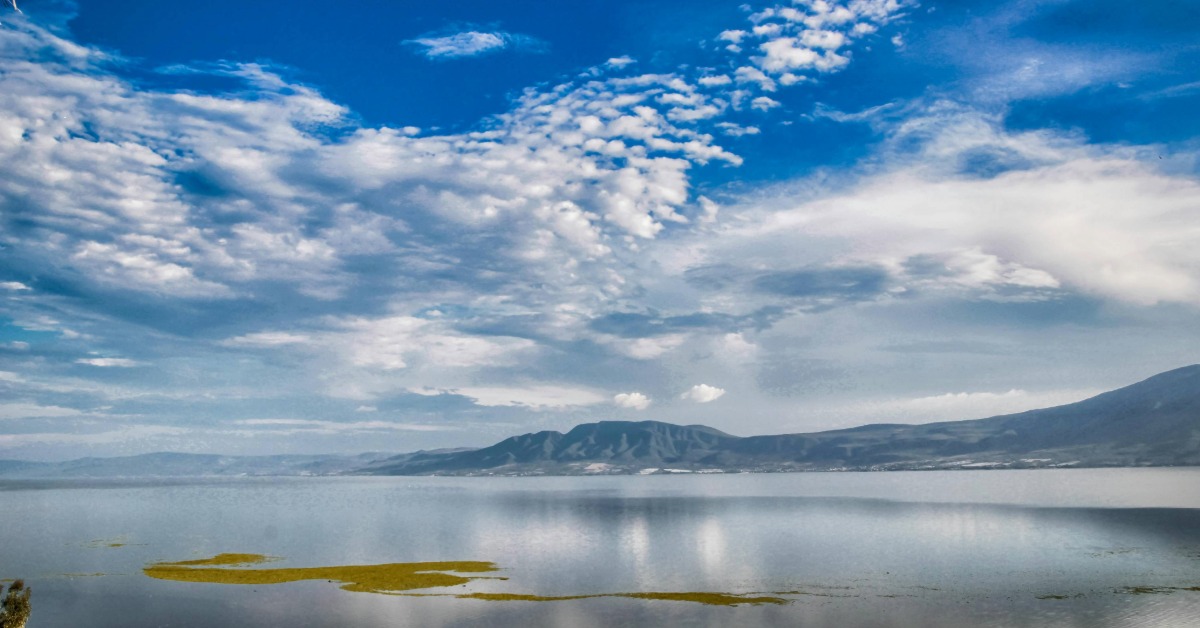
Jalisco is often called the soul of Mexico – it’s the birthplace of mariachi, tequila, and rich traditions. From the bustling plazas of Guadalajara to the tranquil shores of Lake Chapala, this region invites travelers into an authentic Mexican experience. Here are 15 immersive activities across Jalisco that will draw you into its culture, history, and natural beauty.
1. Wander Guadalajara’s Historic Center
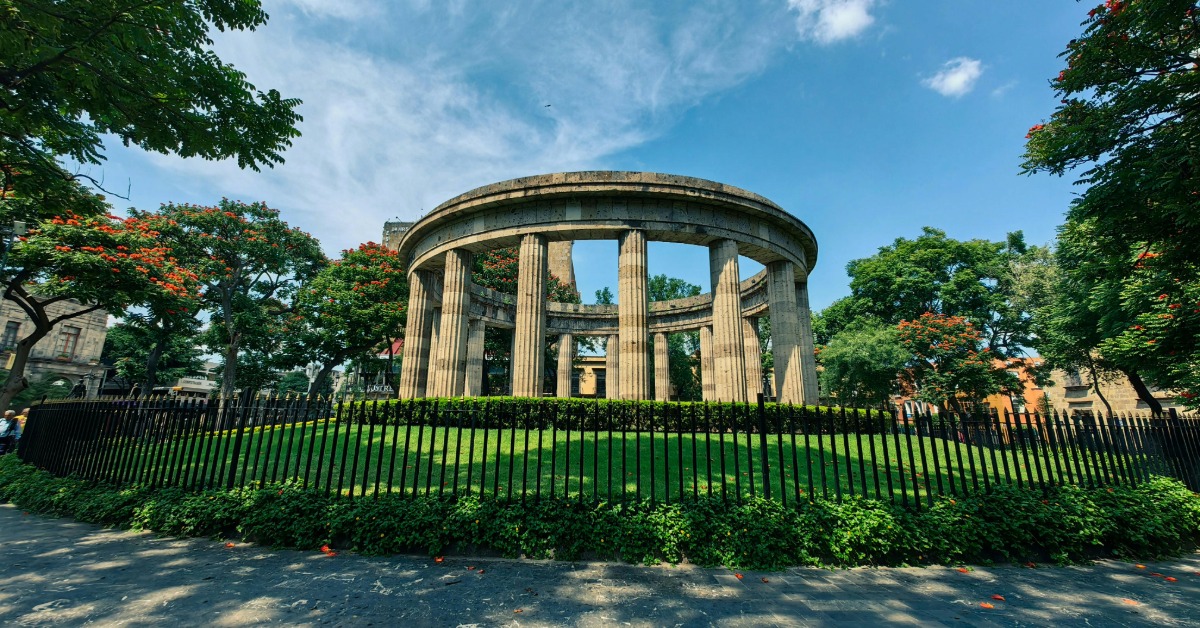
Begin your Jalisco journey in Guadalajara’s Centro Histórico, where colonial landmarks crowd lively squares. At Plaza de Armas, grab a seat on a wrought-iron bench under the shade of laurel trees and watch local life swirl around the French-designed gazebo. The plaza is flanked by architectural gems: the Guadalajara Cathedral and the 18th-century Government Palace. The Cathedral showcases a blend of Gothic, Baroque, and Neoclassical styles, crowned by twin neo-Gothic spires that dominate the skyline. Step inside to admire its soaring nave and stained glass. Just a block away, the Rotonda de los Jaliscienses Ilustres honors Jalisco’s distinguished figures with a ring of statues – in the evening, you might find teenagers dancing or couples strolling among the illuminated columns. Wander across to Plaza de la Liberación and Plaza Guadalajara, where fountains play and families enjoy street snacks. When your feet tire, pop into a café for a café de olla, the local spiced coffee. Sipping its cinnamon-infused warmth at a sidewalk table as the Cathedral’s bells toll is an atmospheric treat. Don’t forget to explore the Palacio de Gobierno nearby – its walls bear dramatic murals by José Clemente Orozco. The Centro Histórico is very walkable and best explored on foot; a guided walking tour adds local stories as you meander. By twilight, the plazas often host music or dance performances, making the historic center feel layered with centuries of life.
Practical info: Most attractions are open roughly 9am–6pm; the Cathedral opens earlier. Dress modestly in sacred spaces and never enter a church wearing a hat or sunglasses! The area is easily reached by Uber/taxi or light rail, if you are not already staying in the historic center; wear comfortable shoes and bring sun protection. Museums and some sites may be closed on Mondays.
2. Marvel at Hospicio Cabañas
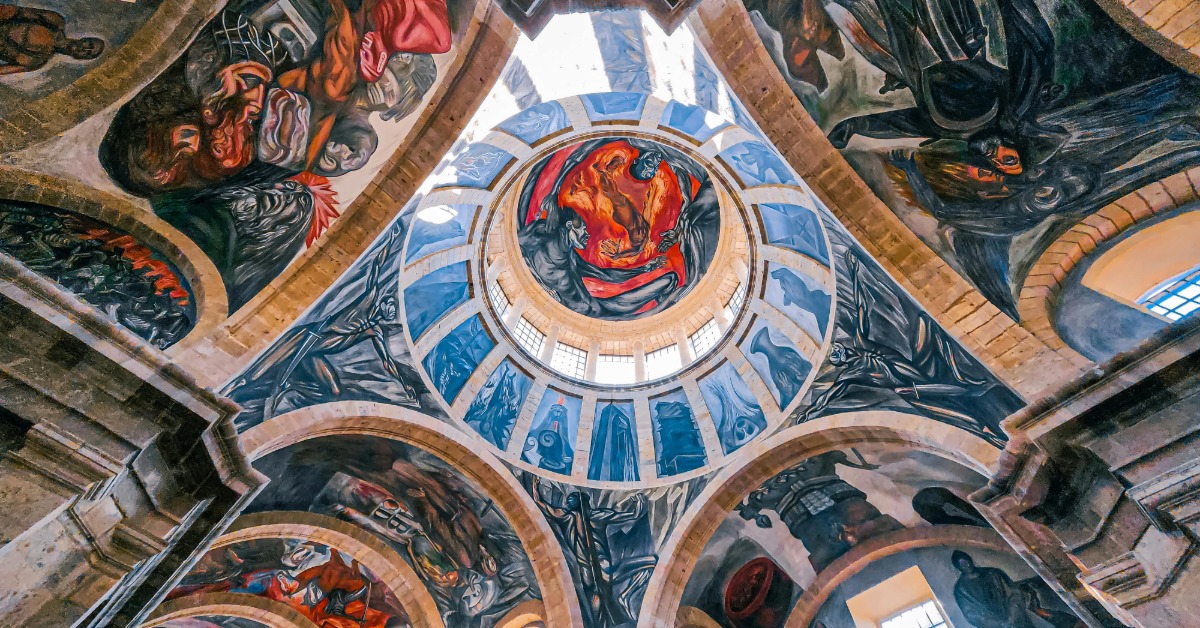
This massive stone complex – a UNESCO World Heritage Site – anchors Plaza Tapatía. The Hospicio Cabañas was built in the early 1800s as an orphanage and almshouse, and today it functions as a cultural museum famed for the murals of José Clemente Orozco. Enter through its grand doors (admission is modest) and look up: Orozco’s frescoes blanket the chapel, including the powerful “Man of Fire” on the dome. Take a guided tour to decode his use of perspective and the social commentary embedded in every brushstroke. Beyond the chapel, airy corridors and colonnaded courtyards house rotating exhibits. If access is available, climb to the bell tower or rooftop for a less-common panorama of Guadalajara. After the cultural deep dive, refresh with a snack at nearby Mercado San Juan de Dios.
Practical info: Open Tuesday–Sunday, roughly 10am–6pm (closed Mondays). Guided tours often run in English around midday. Backpacks may need to be left at the desk (lockers provided). Walkable from downtown or accessible via light rail. Bring water and arrive early to avoid group crowds.
3. Shop and Sip in Tlaquepaque
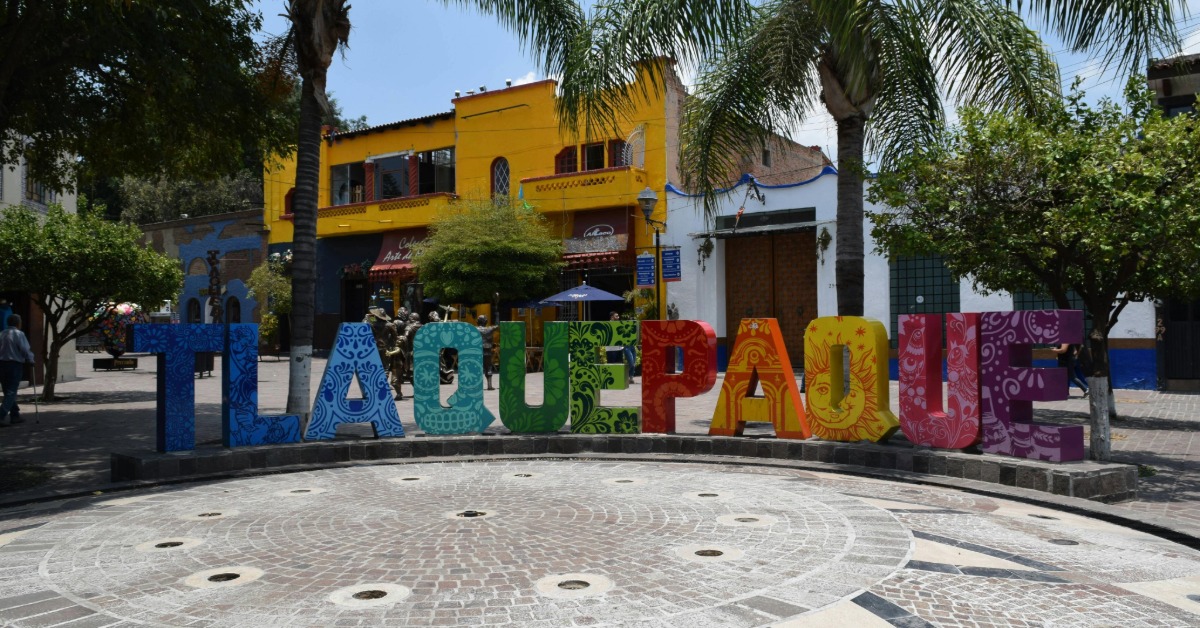
In the artsy suburb of Tlaquepaque, colonial homes have morphed into galleries, workshops, and lively cantinas. Stroll the cobblestone streets and explore galleries where artisans hand-paint ceramics, shape blown glass, and forge wrought iron. At El Parián, the central plaza, mariachi bands perform nightly; grab a seat, order a cazuela or a shot of raicilla, and let the music swell around you. The atmosphere turns electric after sunset, with traditional sones and rancheras filling the air. During the day, visit the Regional Ceramics Museum and duck into smaller studios to watch work in progress. Shopping here feels intimate—many makers are the sellers, so you can commission custom pieces. Tlaquepaque is a seamless blend of visual art, music, and celebratory sipping.
Practical info: Shops open mid-morning and stay late; some close Mondays. Accessible by light rail, taxi, or rideshare from Guadalajara (about 30 minutes). Street scenes are busy on weekends—go earlier for a calmer stroll. Cash is handy for smaller purchases, though many galleries take cards. Rideshares back to the city are plentiful at night.
4. Browse Tonalá’s Artisan Market
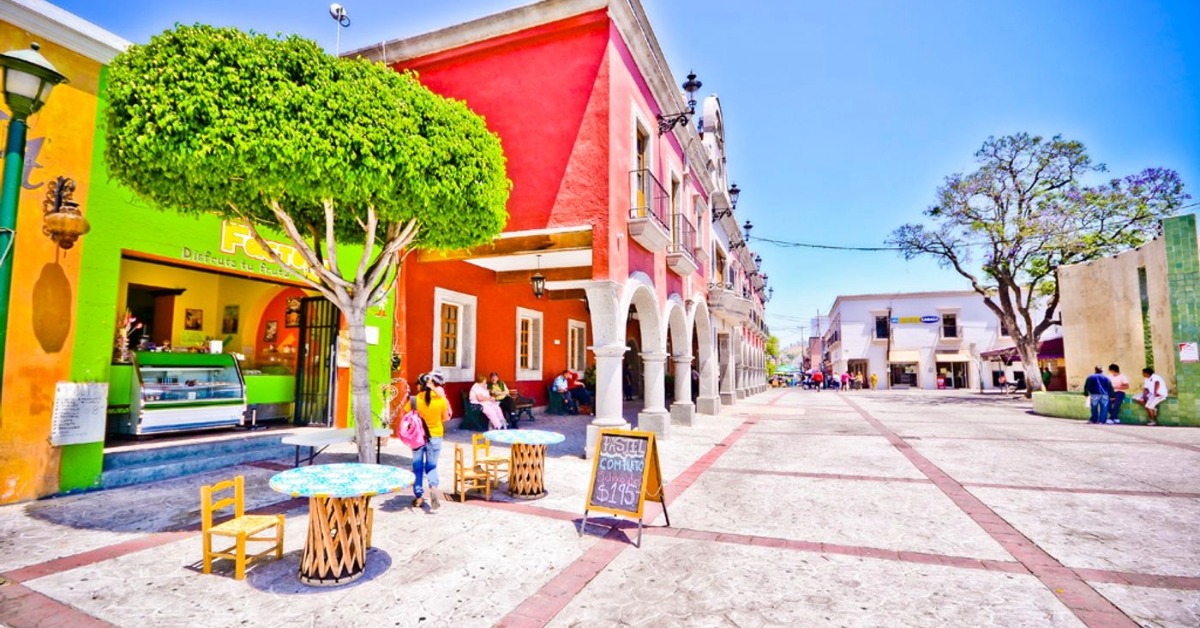
Tonalá is a craft lover’s paradise. On Thursdays and Sundays, the streets explode with vendors hawking Talavera pottery, carved wood pieces, blown glass, Huichol beadwork, and colorful papel picado. Begin near the church and thread through the labyrinth of stalls, watching potters shape clay and painters detail figurines. Haggling is expected—do it respectfully, especially if buying multiple items. When you need a break, sample street tacos or fresh fruit with chili. Even on non-market days, Tonalá retains its artisan spirit via permanent shops, but the true energy is during the tianguis days.
Practical info: Best visited Thursday or Sunday; arrive before midday to beat crowds and heat. Bring cash in small bills; many vendors are cash-only. Uber/taxi from Guadalajara is straightforward. Wear sun protection and comfortable shoes. If buying large items, ask vendors about shipping—they often have experience packing for export.
5. Catch Mariachi at Plaza de los Mariachis
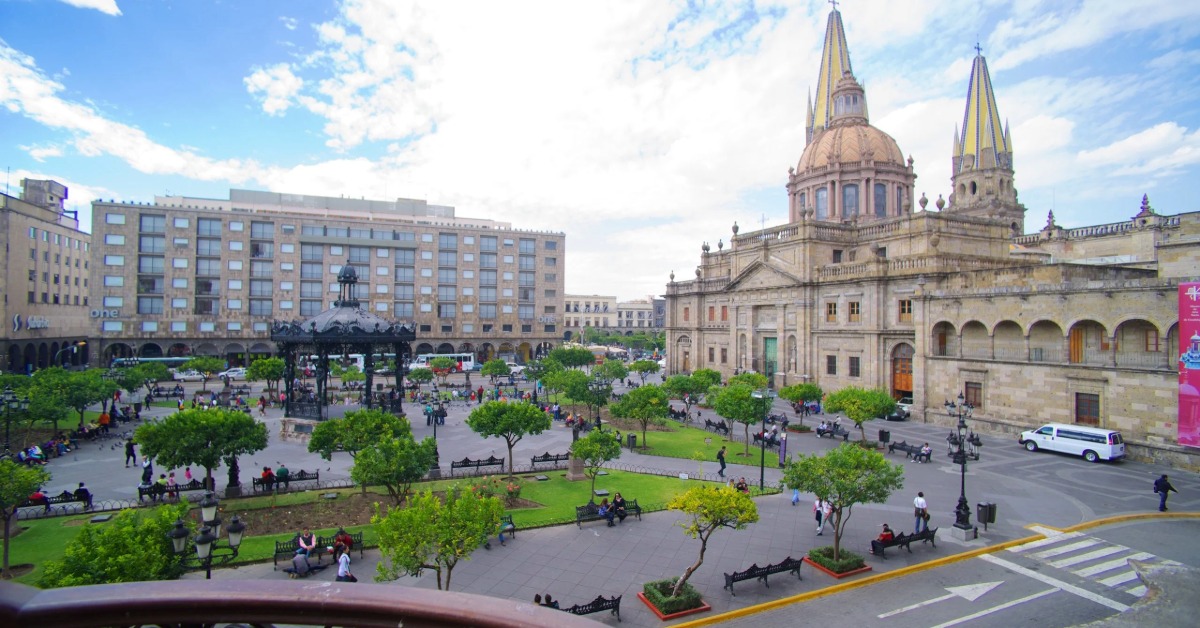
As night settles, follow the mariachi sound to Plaza de los Mariachis in the Analco district. This historic spot is the beating heart of mariachi music in Guadalajara. Bands in charro suits rotate through the square and nearby eateries, offering songs for a fee. Pull up a chair, order a drink, and request a favorite—whether “El Son de la Negra” or “Guadalajara”—then savor the live performance, complete with vibrant vocals, soaring trumpets, rhythmic guitarrón bass, and synchronized violin flourishes. The spontaneous interactions between bands, the generosity of tips, and the local pride in each performance make it feels like being part of a living, nightly festival.
Practical info: Peak hours are roughly 8pm–1am. Confirm song prices before they begin. Located within walking distance of central Guadalajara, best accessed via rideshare or on foot. The neighborhood is lively, but exercise standard street awareness, especially late. Tipping is customary; budget accordingly.
6. Tour Tequila Town and Distilleries
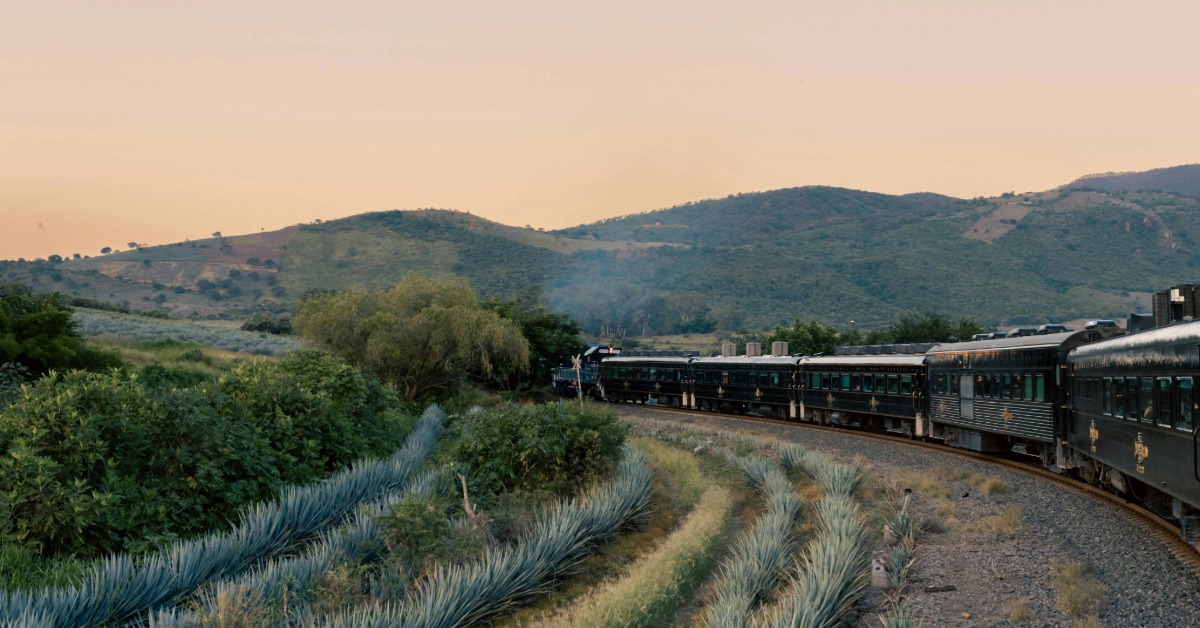
A pilgrimage to Tequila is mandatory. The town sits amid rolling blue agave fields, and the journey itself—by the famed Tequila Express train or a self-driven route through the Agave Landscape—is scenic. Visit distilleries like José Cuervo’s La Rojeña, Casa Herradura, or boutique palenques to trace the transformation from piña to spirit. Learn the distinction between blanco, reposado, and añejo; tour the ovens, barrel rooms, and taste with intention. Wander the town plaza, sip a cantarito in a clay cup, and absorb the sweet agave scent in the air. A sunset from a rooftop or mirador overlooking the agave fields is a calm counterpoint to the day’s spirited learning.
Practical info: Full-day tours run from Guadalajara; self-drive is ~1–1.5 hours. Distillery tours and tastings cost a few hundred pesos each; booking ahead is advised for weekends. Bring cash for smaller distilleries. Eat before tasting, and designate a driver if not on an organized tour. Legal drinking age is 18.
7. Hike El Volcán de Tequila
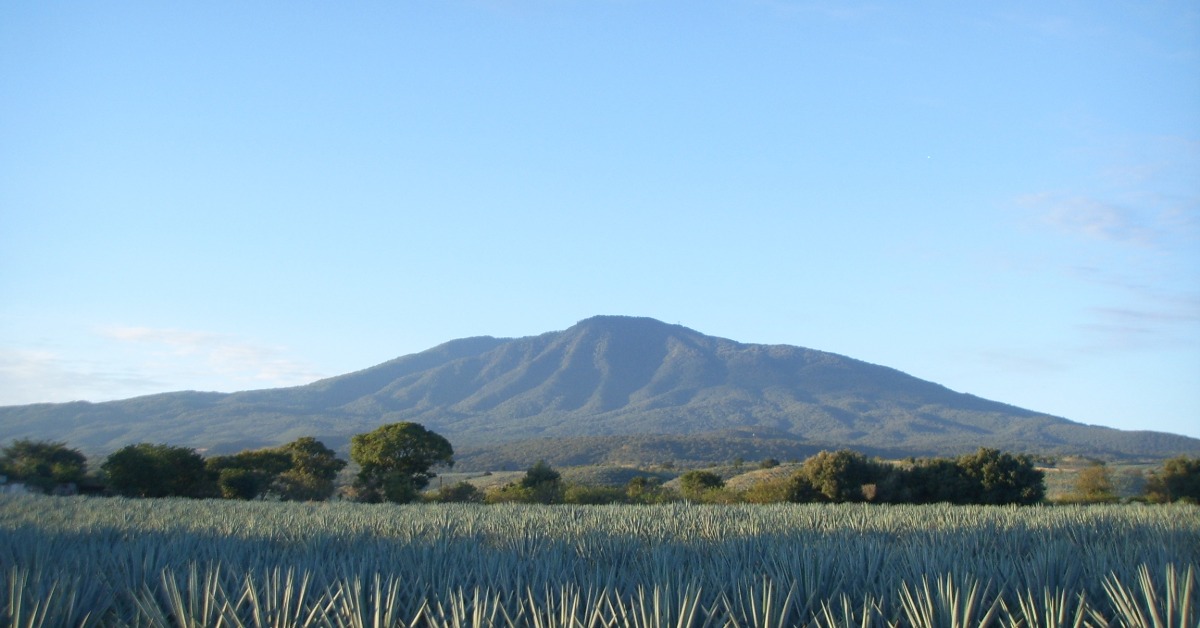
For sunrise vistas, hike Volcán de Tequila, an extinct volcano whose slopes overlook the agave valley and Sierra Madre foothills. The moderately challenging trail ascends through oak-pine forest into open summit meadow, rewarding early risers with panoramic dawn light over blue agave terraces and distant Guadalajara. The hike is 10–12 km round-trip with significant elevation gain; it’s best done with a guide unless you’re experienced with local trail conditions. The summit, often adorned with small offerings, feels like a quiet observatory above Jalisco’s iconic landscape.
Practical info: Start before dawn (bring a headlamp). Carry ample water, sun protection, and layers for cooler summit winds. Guided hikes include transport and local knowledge; solo hikers should inform someone of plans. There are no facilities on the trail.
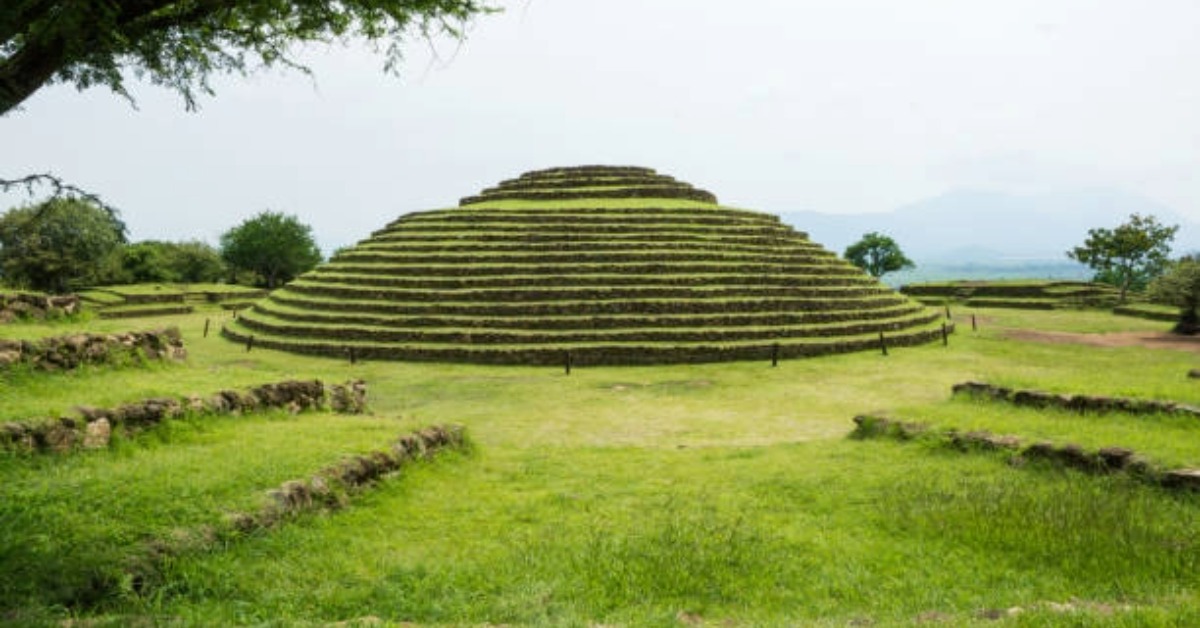
8. Explore the Circular Pyramids at Guachimontones
Guachimontones, near Teuchitlán, presents one of Mexico’s architectural mysteries: circular stepped pyramids used by the Teuchitlán culture over two millennia ago. Visit the on-site museum to understand the culture and ceremonial practices, then climb the path to the main circular structures, including the striking La Iguana. The layout—complete with a ballcourt and terraces—is unique in Mesoamerica. Renting a bike from nearby and combining the site with the surrounding countryside adds slow-motion exploration to the experience.
Practical info: Open Tuesday–Sunday; modest entry fee. Minimal shade—bring a hat, sunscreen, and water. Local guides are available for small fees. Best accessed by car or via tour; morning or late afternoon visits avoid harsh light and heat.
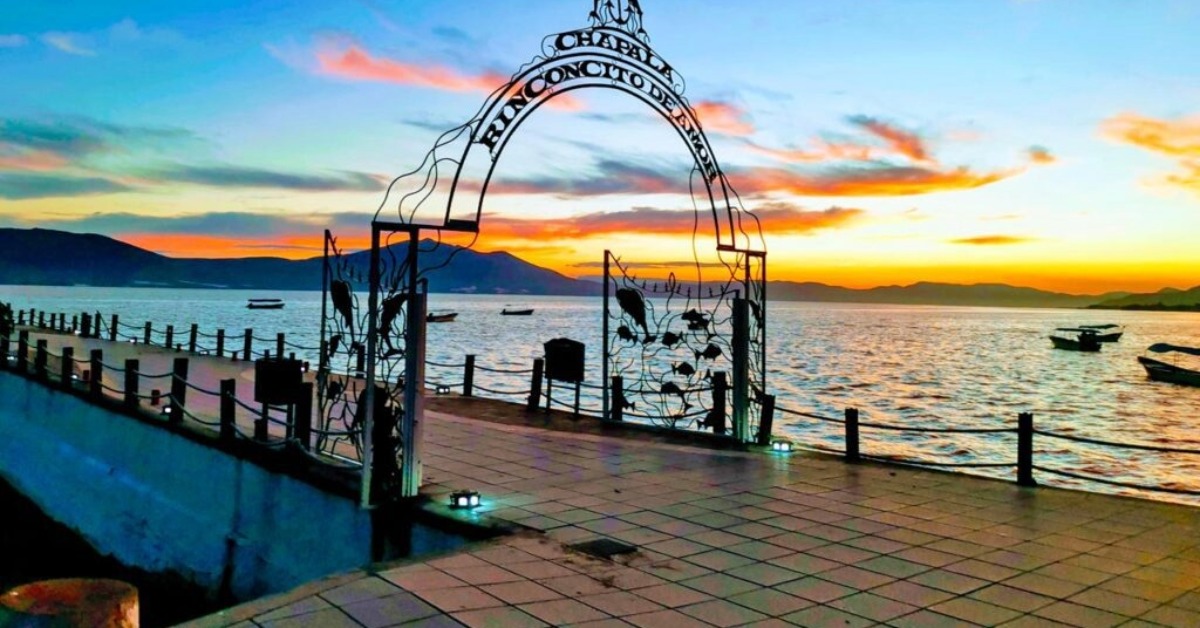
9. Relax on Lake Chapala’s Malecón
Swap city tempo for the calm of Lake Chapala, Mexico’s largest freshwater lake. Walk the malecón in Chapala or Ajijic, sip fresh tepache or a michelada, and watch fishermen and birds glide over reflective waters. Rent a kayak or e-bike, visit Isla de los Alacranes, or simply sit on a bench as the sunset paints the distant mountains. Ajijic adds an artist’s edge with galleries, street art, and evening events that bleed into lakeside charm.
Practical info: About an hour from Guadalajara by bus or car. Ajijic is a short ride from Chapala. Rentals and boat tours are seasonal; agree on prices upfront. Weather is milder—bring a light layer for evenings. Weekends are busier; weekdays quieter.
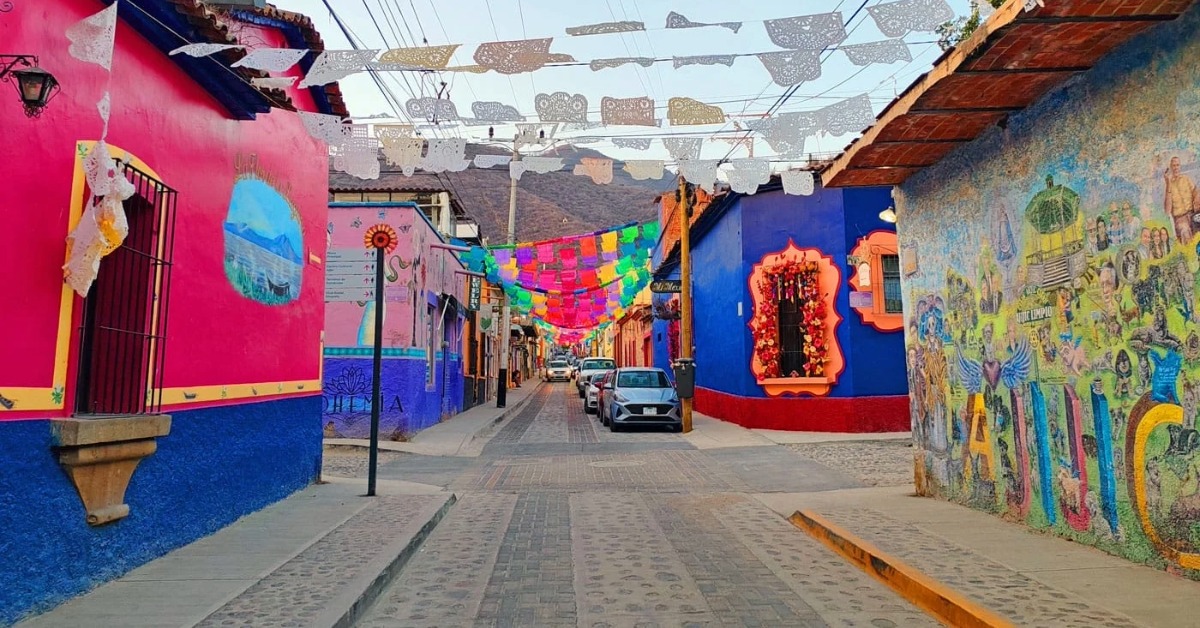
10. Stroll Ajijic’s Art Walks
Ajijic’s creative scene unfolds on its Art Walks—typically held on select Fridays—when galleries open late, offering wine, conversation, and access to local painters, sculptors, and mixed-media artists. Walk colonial streets, pop into intimate studios, and witness live creation. You’ll encounter a fusion of Mexican motifs and global perspectives, with the chance to speak directly to creators. Even outside official walk dates, the town pulses with art: murals, open galleries, and impromptu performance pop-ups make every stroll visually rich.
Practical info: Gallery hours vary; mid-morning to late afternoon is typical. Look for official walk announcements via local bulletin boards or the Ajijic Society of the Arts. Parking can be tight; walk once you arrive. Bring cash for small purchases and tip artists if they give you personal time or impromptu demos.
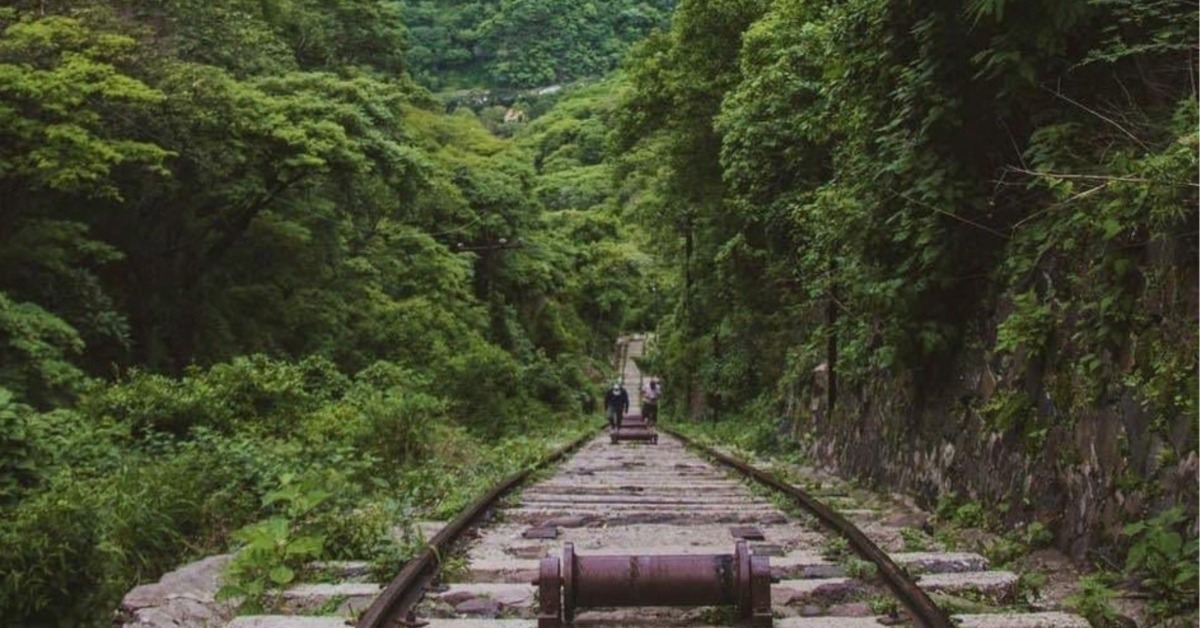
11. Descend into Barranca de Huentitán
Just outside Guadalajara, the Barranca de Huentitán plunges dramatically along the Río Santiago. The descent trail from Mirador Independencia offers both a strenuous hike and rich biodiversity—dry forest yields to humid canyon greenery, orchids, and birds. At the bottom, cross the river on a suspension footbridge, rest, and prepare for the vigorous climb back up. For those not doing the full hike, the rim viewpoints still deliver jaw-dropping vistas. The canyon can feel wild yet is a local weekend staple, balancing effort with reward.
Practical info: Free access; avoid during heavy rains. Start early to beat heat; bring water, good shoes, and snacks. The climb back is strenuous—pace yourself. Cable car or zoo teleférico nearby offers an aerial alternative view. Go with others if traveling midweek when fewer hikers are present.
12. Discover Tapalpa, a Pueblo Mágico
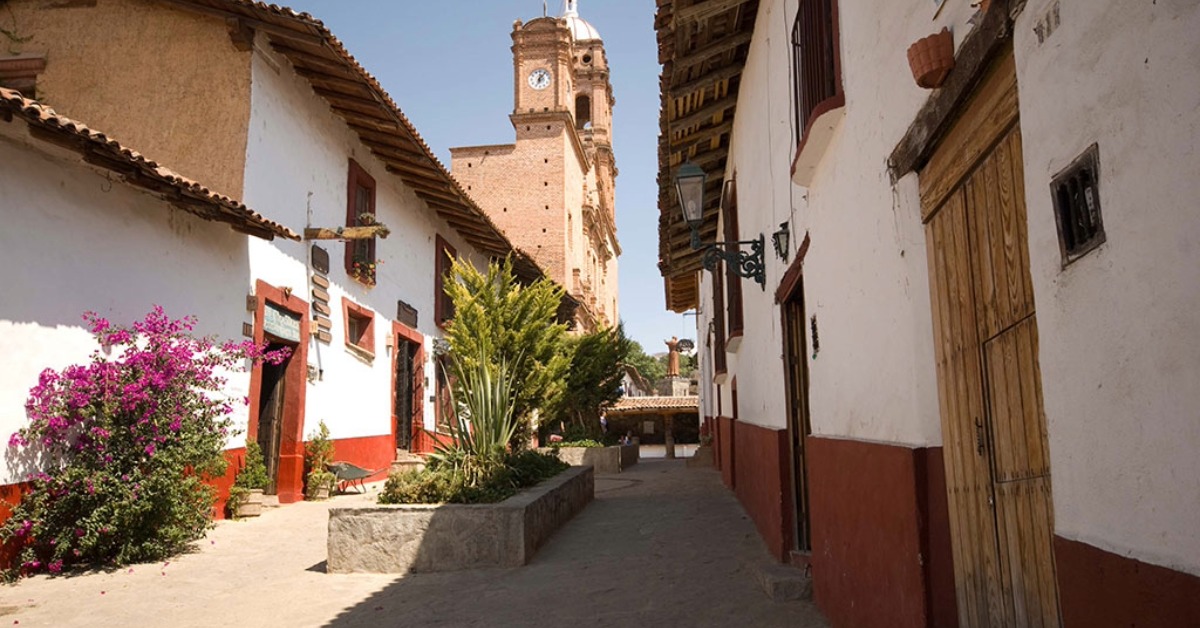
Set high in pine forests, Tapalpa feels like a mountain fairy tale. Cobblestone streets, red tile roofs, and cozy plazas invite slow wandering. Sample local sweets like borrego cookies, then venture to Las Piedrotas, an open valley dotted with massive enigmatic boulders you can climb or zip-line around. For thrill seekers, Ekopark delivers canopy courses, ziplines, and more—with even multi-generational participants (grandparents included). In town, enjoy local culinary specialties and settle into evening coolness as stars emerge over the mountains.
Practical info: 2.5-hour drive from Guadalajara; also reachable by bus. Weather can be cool—pack layers. Attractions like Las Piedrotas and Ekopark charge modest fees. Weekends are popular with locals; reserve lodging ahead. Tapalpa’s artisan cheeses and regional products make for excellent take-home gifts.
13. Horseback Ride in Valle de Atemajac
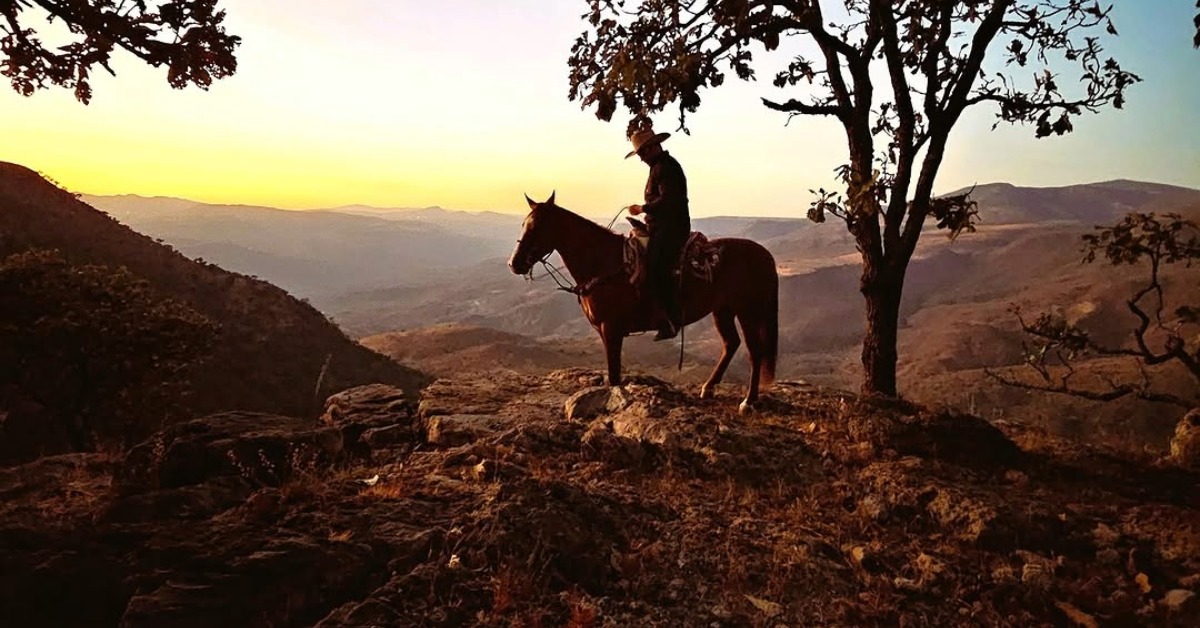
South of Guadalajara, ranches in Valle de Atemajac offer charrería-rooted trail rides across farmland, agave groves, and sweeping valley views. Guided rides are beginner-friendly and often end with traditional ranch-style comida: grilled meats, beans, fresh tortillas, and refrescos. Riders learn local lore, see skilled rope demonstrations, and feel the rhythm of rural Jalisco from a saddle.
Practical info: Half-day rides (including meal) run in the mid-hundreds to low-thousands of pesos. Long pants and closed shoes are recommended; some ranches provide safety gear. Morning or late afternoon departures avoid midday heat. Booking ahead is advised; many can arrange transport from Guadalajara.
14. Devour Jalisco’s Classic Dishes
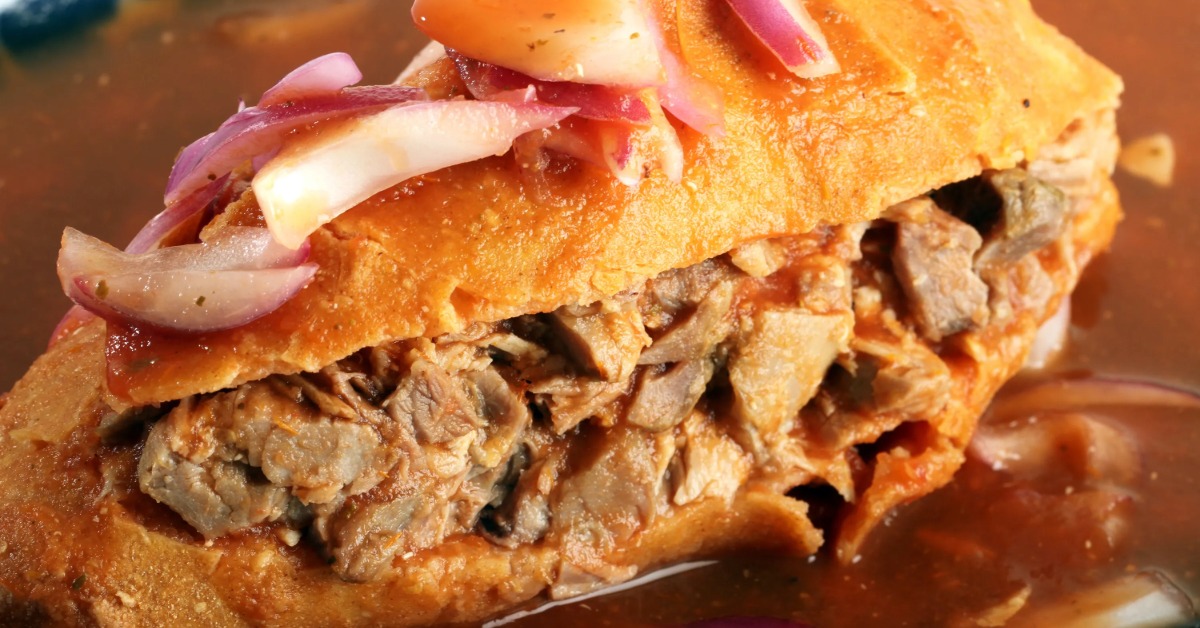
Eat like a local: start with tortas ahogadas—pork-filled birote buns drenched in spicy tomato sauce—and follow with birria tacos, dipped in rich consomé. Pair with a michelada or sweet, fermented tepache, and end with jericalla, a creamy custard native to Guadalajara. These dishes are visceral, messy in the best way, and deeply rooted in the region’s food culture. Street markets and hole-in-the-wall stands often deliver the most authentic flavors, served alongside locals who know exactly how to finish the meal.
Practical info: Found in markets like San Juan de Dios and around the city. Tortas ahogadas are often morning/lunch fare and can sell out early; birria is also popular early in the day. Prices are very affordable. Bring napkins; the torta is meant to drip. Spice levels can be adjusted—ask for “no muy picante” if needed.
15. Unwind on the Costa Alegre
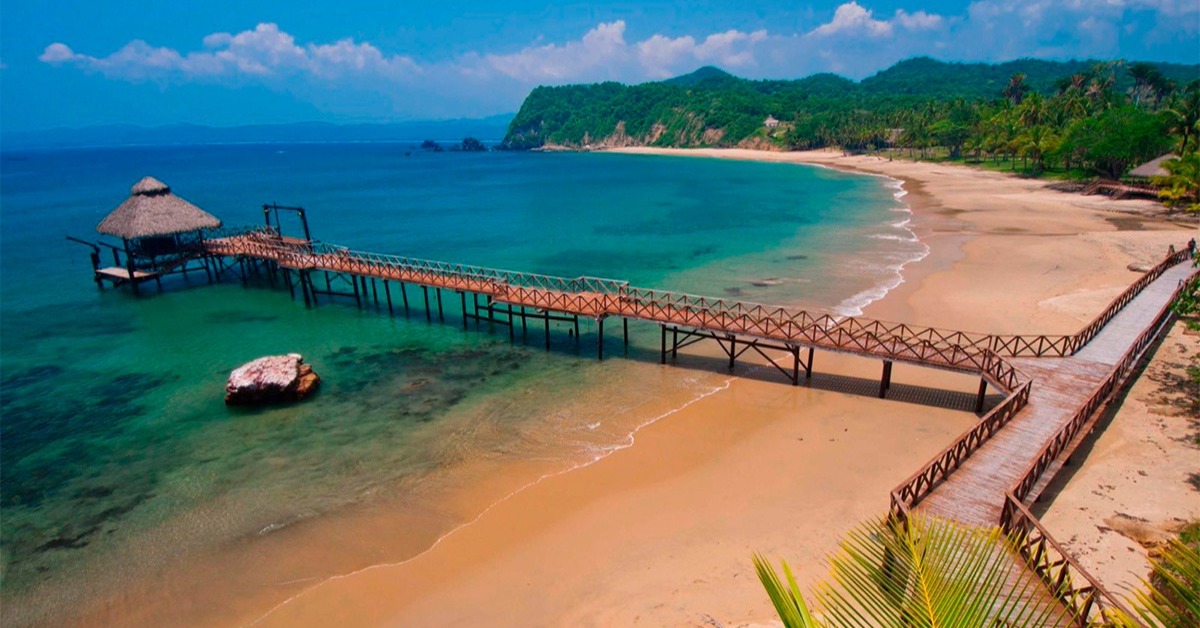
Close out your Jalisco adventure on the Costa Alegre, where jungle meets Pacific. Mismaloya offers beachside calm, historical film lore, and access to the marine life around Los Arcos for snorkeling or diving. Further south, at rustic Quimixto, ride a lancha, hike to waterfall pools, and feast on fresh ceviche in a village with no cars and a slow rhythm. Golden-hour returns by boat reveal sunsets cast over the Sierra Madre and the ocean.
Practical info: Mismaloya is a short drive from Puerto Vallarta; Quimixto is accessed by boat from Boca de Tomatlán. Water taxis run during daylight; agree on fares upfront. Bring cash; remote villages often lack ATMs. Swim cautiously—currents can be strong. Best season is November–May for calmer waters and clearer skies. Mosquito repellent is useful inland.
Welcome to Jalisco
Jalisco is the kind of place that settles under your skin—its sounds, flavors, landscapes and people linger long after you’ve packed your bags. From the ragged rhythms of mariachi in Guadalajara to the quiet mystery of circular pyramids, the sharp tang of a torta ahogada, and the salt-warmed breeze on the Costa Alegre, each of these experiences is a thread in a larger, living tapestry. Travel here with curiosity, leave room for detours, and let the unexpected moments—an unplanned conversation with an artisan, a sunrise from a volcano, a cooling sip of tepache on a lakeside bench—be the ones you return to in memory. Practical details like hours, prices and transport shifts; use them as a starting point, not a script. When you’re ready to go deeper, I can help you build a multi-day itinerary, local immersion plan, or a serialized guide that turns this trip into a story your readers (or you) won’t forget. ¡Hasta la próxima, Jalisco!
(Note: Always double-check entry fees, hours, and other details as they can change.)