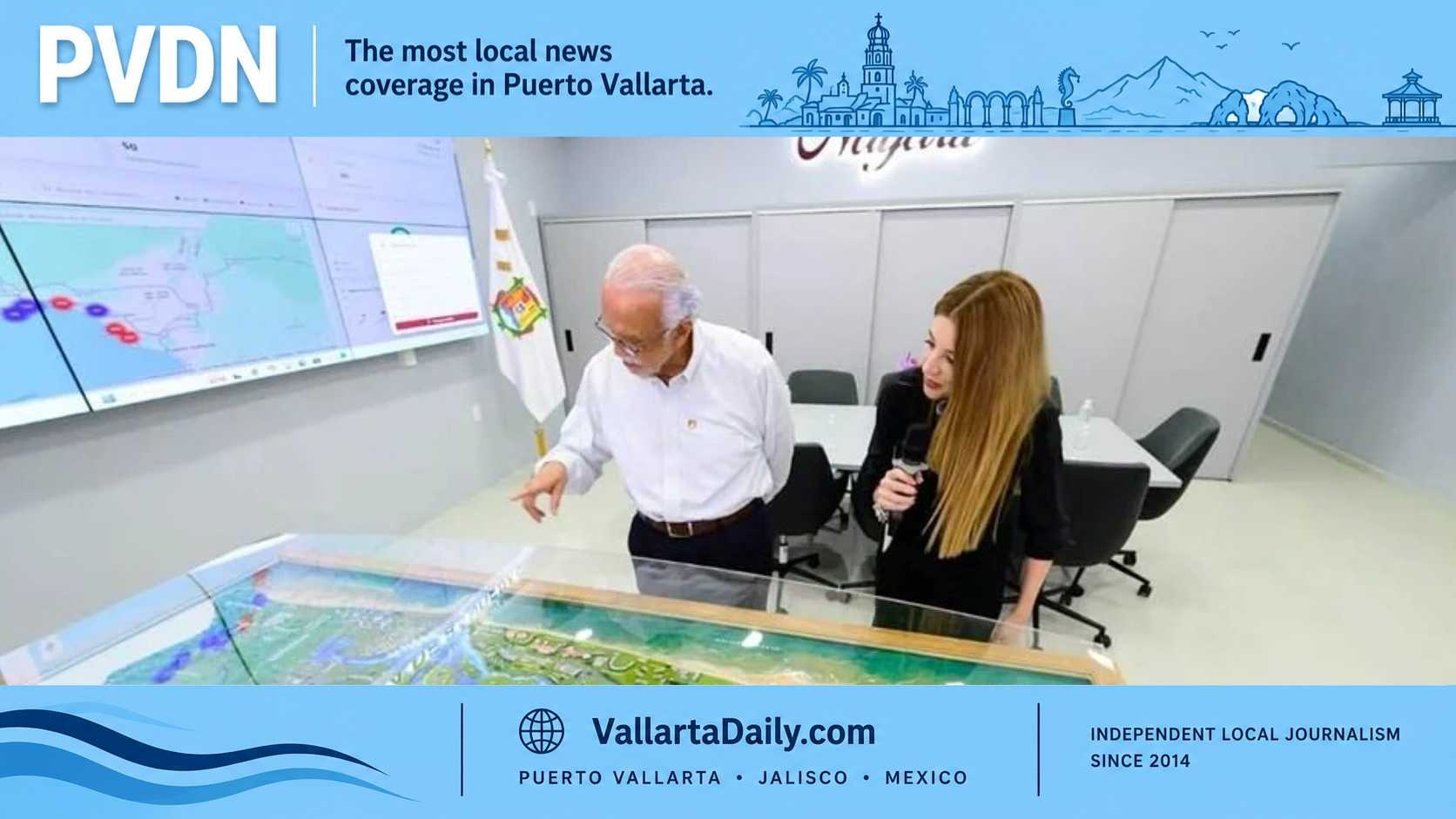
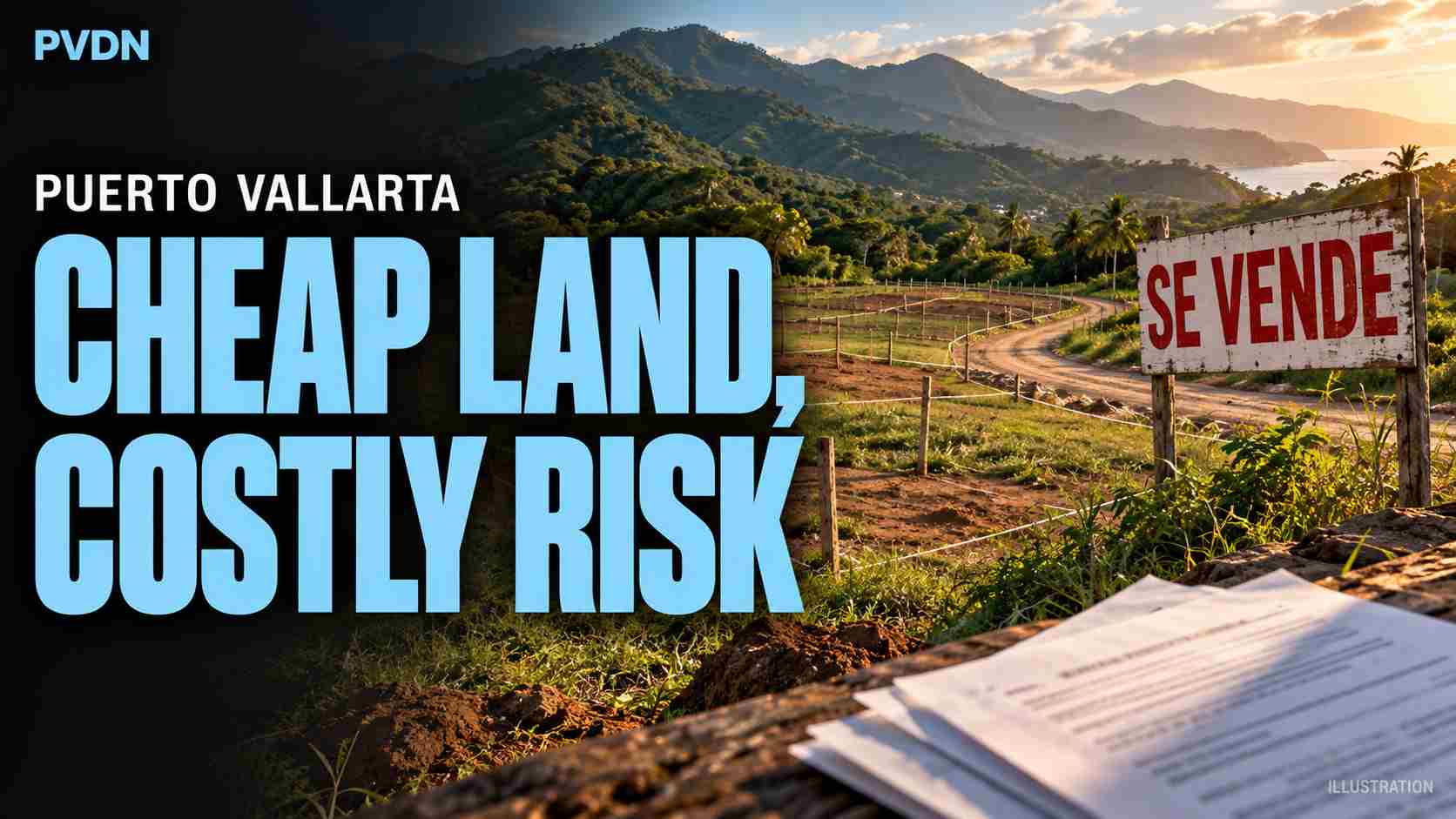
Puerto Vallarta, Jalisco, October 27, 2026 – An agrarian official warned in a report published Tuesday of alleged fraud involving inexpensive lots sold without secure ownership documents north of the city.
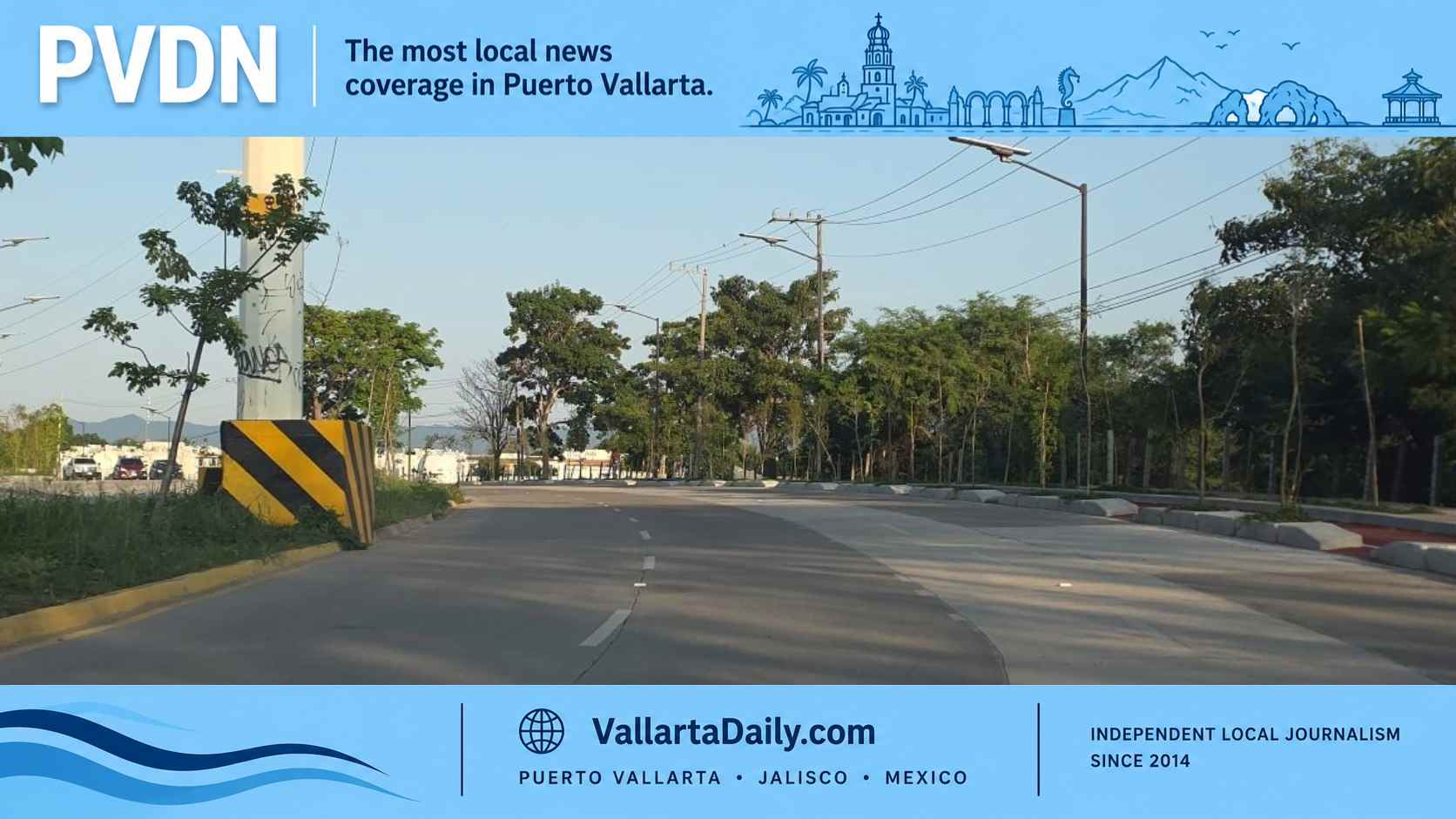
In an October 27 report, Paula Mayo Muñoz, head of the regional Procuraduría Agraria office, identified La Desembocada, Ixtapa, El Cantón and El Colorado along Highway 544.
She described buyers receiving a simple contract for an inexpensive lot, then being unable to find the intermediary. Some settlements already have homes but lack basic services and official ownership documents, she said.
The report provided no victim count, loss total, or criminal case numbers.
For anyone considering one of these lots, the central question is straightforward: can the seller legally transfer ownership of this specific piece of land?
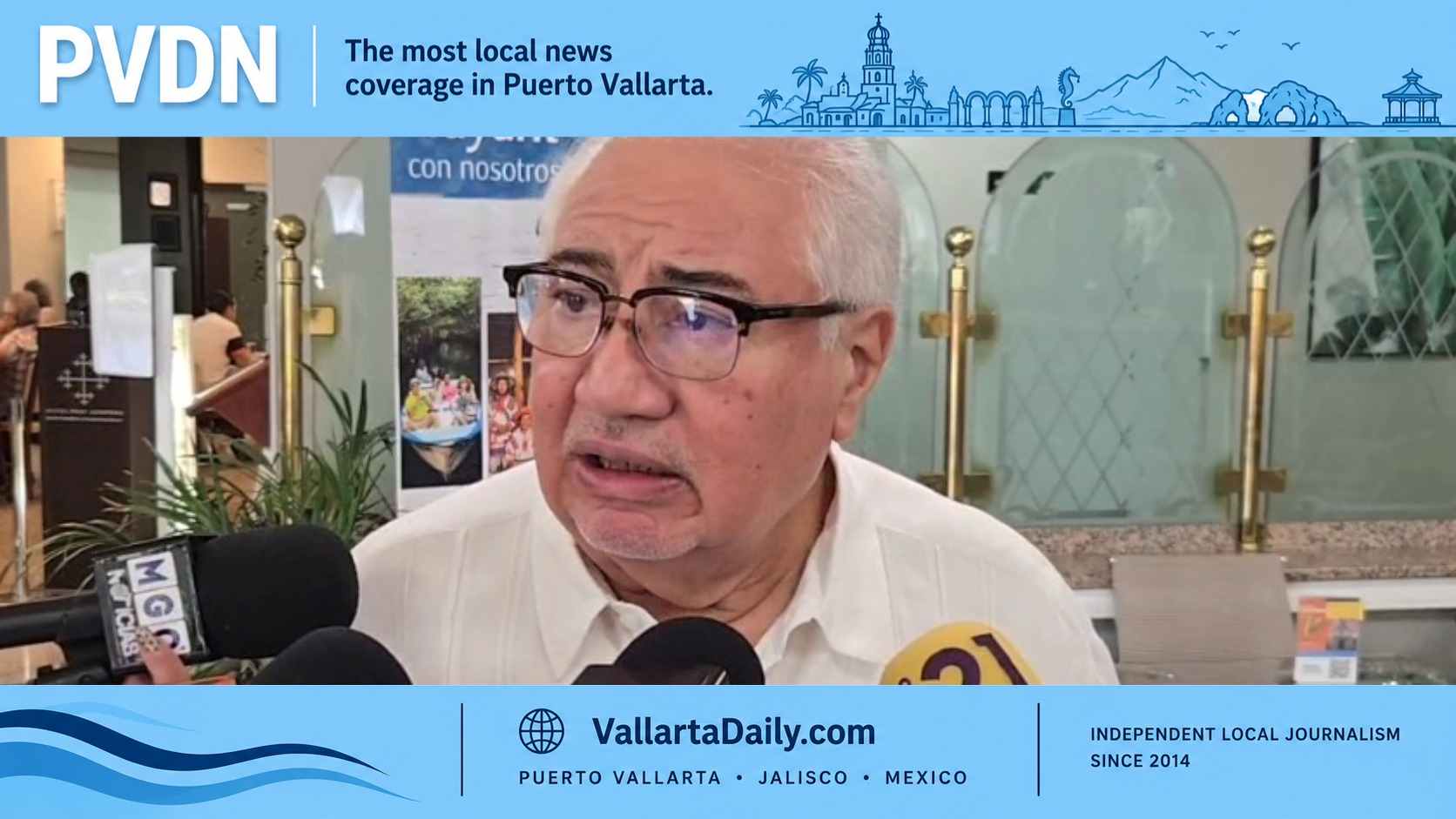
“Before buying, make sure what type of land it is,” Mayo Muñoz said, in comments translated from Spanish. She urged buyers to consult the ejido leadership.
An ejido is a form of social landholding governed by Mexico’s agrarian law. Its members can hold rights to individual parcels, with specific rules governing their transfer.
Under Article 80 of the Agrarian Law, ejidatarios can transfer parcel rights to other ejidatarios or legally recognized residents of the same ejido. A certificado parcelario documents agrarian rights; it does not, by itself, establish private ownership.
Conversion to private property through dominio pleno requires an ejido assembly resolution followed by an individual process before the Registro Agrario Nacional, or RAN. Articles 81 and 82 provide for removing the parcel from the ejido regime and issuing a property title for registration in the Public Registry of Property.
The practical consequence is that a promise to arrange title later leaves the buyer dependent on legal steps that may still be unfinished.
The documents must also establish the status of the specific lot being offered. A title covering a larger property raises another question: whether the owner has authorization to divide it into residential lots.
Under Jalisco’s Urban Code, subdivisions and residential development are subject to municipal planning and authorization requirements. Buyers therefore need to check the applicable permissions with the municipality as well as the ownership records.
For example, if someone shows a document for a large parcel, ask how the smaller lot advertised to them appears in the approved subdivision paperwork. That is a document check to complete before agreeing to a deposit.
Vallarta Daily’s guide to verifying whether a Puerto Vallarta property can be sold addresses the related checks on registered ownership, the seller’s authority to sign and restrictions that could prevent a lawful transfer. A notario público can review those issues in the context of the proposed transaction.
Foreign buyers face an additional restriction. The Agrarian Law requires Mexican nationality for ejidatario status and recognition as an avecindado, the resident category eligible to acquire parcel rights.
According to the Foreign Affairs Ministry’s rules for coastal property trusts, foreign individuals cannot acquire direct ownership within 50 kilometers of the coast. Residential purchases in that restricted zone use a bank trust, commonly called a fideicomiso. Read together, these rules mean buyers must establish the land’s legal status before relying on a proposed trust arrangement.
Mayo Muñoz said her office refers suspected fraud victims to the Fiscalía, the state prosecutor’s office, to file a complaint.
For buyers seeking help checking agrarian documents, the Procuraduría Agraria’s official Jalisco directory lists its Puerto Vallarta office at Palma Real 769, colonia 12 de Octubre. The telephone number is 322 224 9791, and the email address is [email protected].