Los Cabos leaders are quietly weighing San José estuary dredging after recent rains pushed more silt into the wetland and invasive plants spread again. A fresh management plan, approved this month, sets rules for any intervention while spotlighting persistent wastewater and wildfire risks. Conservation groups welcome the structure but warn that dredging can damage habitat if rushed. Officials say they’ll start with studies and stick to the plan’s safeguards. What’s suddenly changed, and how fast might shovels hit the water?
San José estuary dredging
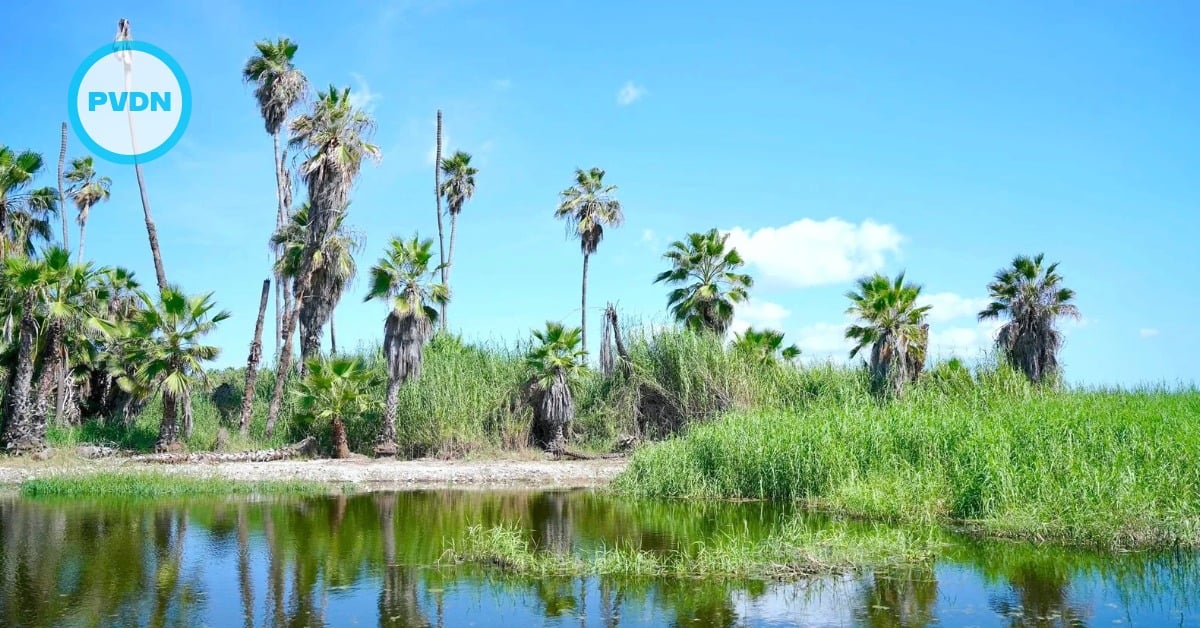
Authorities in Los Cabos have begun evaluating whether to dredge parts of the San José del Cabo estuary after silt built up during recent storms and invasive plants rebounded, choking the flow and pushing mats toward the beach. Their review follows site visits and briefings that put dredging on a short list of options, alongside tighter invasive-species control and better wastewater oversight. The discussion was first reported by Tribuna de México, which noted the mayor’s call to protect and manage the wetland sustainably.
The timing matters. Just 10 days earlier, the city council approved an updated management program for the State Ecological Reserve, which includes the estuary. That document is supposed to govern any intervention—dredging included—by forcing baseline studies, environmental safeguards, and coordination across agencies. In other words, this won’t be a bulldozer decision; it has to clear the plan’s thresholds first. The municipality says the update responds to real, recurring threats at the site.
At stake is a wetland that isn’t just scenic. The estuary is part of a Ramsar-listed system recognized for its biodiversity and migratory bird habitat —a freshwater oasis in a dry cape that supports endemic species and acts as a flood and fire buffer. That international status doesn’t ban dredging outright, but it raises the bar: authorities must show that any work protects the site’s “ecological character,” not weakens it. Ramsar records list the San José system as Site 1827, designated in 2008.
What changed on the ground
Two strands converged this fall. First, city crews removed large volumes of floating weeds in late summer to keep channels open and prevent beach impacts—practical work that also highlighted how quickly biomass can explode when nutrients spike. Second, autumn rains added new sediment to a system already pinched by years of altered flow. The cleanup underscored momentum; the storms reminded everyone how quickly the estuary can clog. Together, they pushed dredging from a hypothetical to an active study item.
None of this happens in a vacuum. Environmental reporters and local outlets have documented long-running concerns about discharges tied to the Fonatur wastewater plant and other inputs that feed water hyacinth and reeds—exactly the species managers then race to remove. Earlier this year, El Sudcaliforniano summarized those risks and the pressure from human settlements around the reserve. Independent investigations going back to 2024 reached similar conclusions about nutrient loads and invasive growth. Any dredging that ignores that upstream chemistry will be, at best, a temporary fix.
The decision path from here
Officials say they are starting with studies, not excavators. Under the new management program, the city and state will have to model hydrology, map sensitive habitat, and time work to avoid nesting and migration windows. They’ll also need a plan to dispose of any dredged material safely, plus a parallel track that keeps tackling the root causes—wastewater leaks, nutrient pulses, and fuel for fires along the banks. The political will appears stronger than in past cycles; the council’s unanimous approval of the plan and the recent invasive-removal push suggest real follow-through. But the test is whether the following announcement centers on science first.
For residents, the stakes are both practical and ecological. When the estuary’s mouth clogs and lilies multiply, odors rise, birds lose foraging patches, and the hotel-zone coastline takes the hit. For a destination already wrestling with water scarcity and growth, maintaining a healthy, flowing wetland is basic urban resilience—cheaper than constant emergency cleanups, smarter than letting fire and flood set the schedule. The Ramsar label won’t make the choice for Los Cabos, but it does set the standard: prove the work protects the wetland’s character, or don’t do it.