
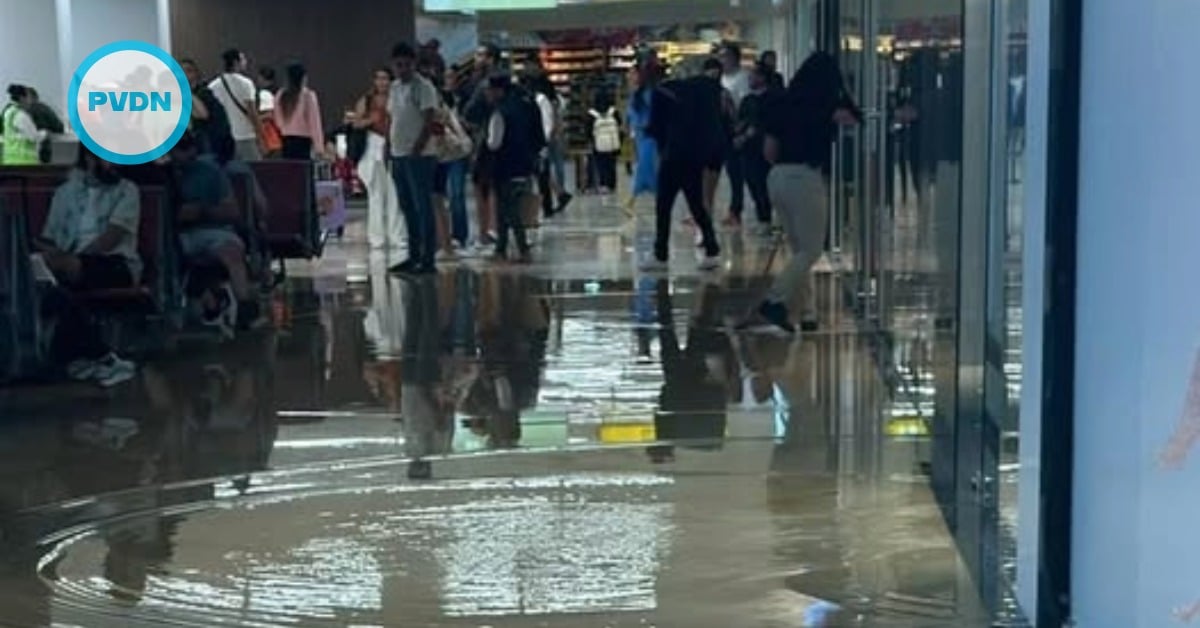
The flash images from Terminal 1—water pooling where travelers should walk—were a gut check for one of Mexico’s busiest beach gateways. Airport managers now say they will install a backup stormwater system to keep the next downpour from spilling into passenger areas. The move follows a turbulent October shaped by back-to-back Pacific storms and intense local rain. It’s a practical fix, not a headline grabber, but it speaks to a simple promise to visitors and workers alike: keep the building dry and the operation steady.
Los Cabos airport flooding
October’s rains exposed a weak point at the Los Cabos International Airport. Parts of Terminal 1 flooded, and images of puddles around seating areas ricocheted across social media. Airport management has now confirmed a plan to install an alternative stormwater retention system to hold back runoff and prevent similar backups inside the terminal. The director described the flooding as an atypical event but said they will act to ensure it does not happen again. That commitment was first reported by local outlet Diario El Independiente, which noted the project’s goal is to retain rainwater upstream of passenger areas.
The timing tracks with a rough stretch for Baja California Sur. Early October brought Hurricane Priscilla skirting the region, followed days later by heavy bands linked to Tropical Storm Raymond. Authorities warned of flash flooding and closed schools as the worst weather passed through. Both storms loaded the atmosphere with rain and pushed already-soaked arroyos to the edge, a recipe for short, sharp flooding episodes in low-lying parts of San José del Cabo—including areas near the airport. National and international forecasters documented the sequence and the rainfall risks as the systems moved along the Pacific coast.
Airport flooding is not unique to Los Cabos. Mexico City’s hub shut down for hours in August after torrential rain overwhelmed drainage systems. The common thread is simple: when extreme downpours hit hard surfaces faster than the pipes can carry the water away, terminals and access roads can pool. A secondary retention basin or modular storage—what Los Cabos plans to add—acts like a pressure valve by temporarily holding water so the central system can catch up. It’s an engineering fix more than a public-facing expansion, but it often pays off in fewer delays and less chaos under storm clouds.
What travelers should expect next
The airport’s operator, Grupo Aeroportuario del Pacífico (GAP), has been in a multi-year buildout across its network, with upgrades planned for Los Cabos as overall capacity rises. That broader investment context matters. The company’s plan envisions larger, more resilient terminals and improved flow, while local managers tackle site-specific risks, such as flooding at Los Cabos airport, with add-on protections. In plain terms, the airport is still growing, and the stormwater project slots into that push to keep people moving even when the sky opens.
For visitors, the fix is meant to be invisible. If it works, the next squall should be a non-event inside the building. Still, the roads around the terminal can pool during downpours, so padding travel time remains smart during the rainy months. October sits at the tail end of hurricane season, and Los Cabos’ busy tourism calendar overlaps with that weather window. Researchers who study the corridor’s risk profile note that high visitor volumes during storm season create extra pressure on emergency response and infrastructure. That is another reason these small-sounding drainage upgrades can punch above their weight.
None of this means the airport is unsafe. The flooding looked dramatic because airports are intended to feel frictionless, and any water where it doesn’t belong breaks that illusion fast. Airport managers say the event was unusual and are taking steps to keep it that way. The takeaway is practical. A new stormwater retention system will add margin to an existing network. The broader build program will keep nudging capacity upward. And when heavy rain returns—as it will—the goal is simple: keep the hallways dry, keep the lines moving, and keep planes turning on schedule.