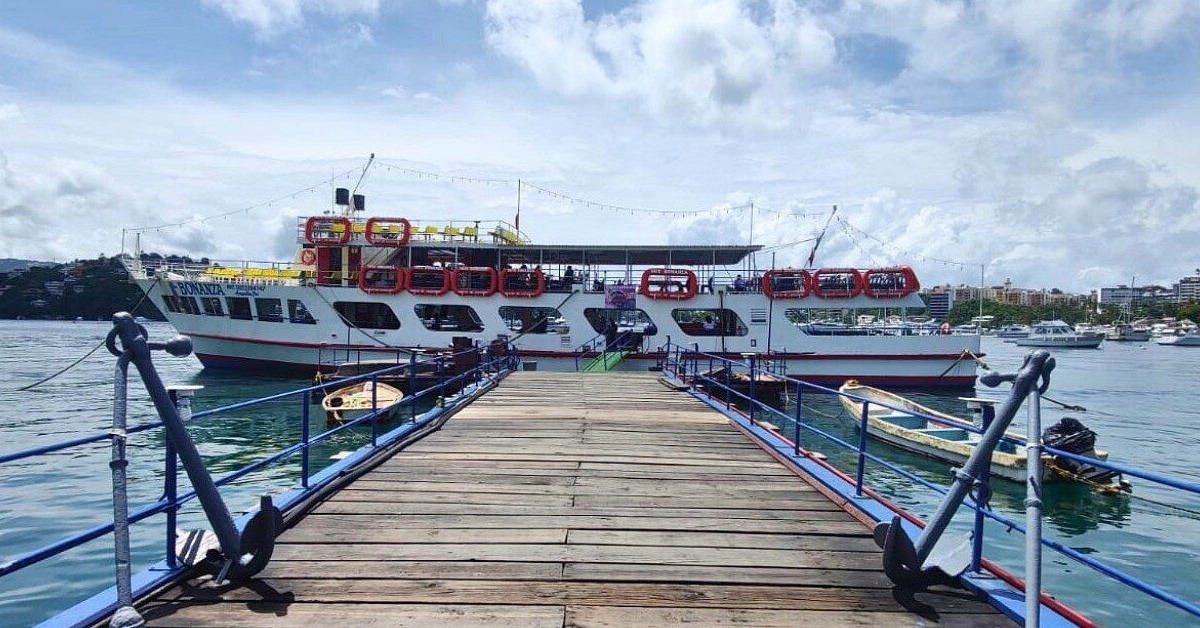
Tour operators on the waterfront say this summer was among the worst they’ve seen, with bay tours and water-sports rentals lagging far behind expectations. Their assessment aligns with what many visitors observed on the sand: crowds in the hotels, yet fewer parachute rides, banana boats, and glass-bottom trips departing from the piers.
Municipal and state bulletins show a mixed season. Early July weekends hovered near the 50% occupancy mark citywide, while later August weekends touched ~80% in the Dorado stretch—evidence that rooms filled even as on-water spending stalled.
Why the boats sat idle
The weather was the first headwind. Throughout August, authorities warned of persistent mar de fondo—long-period swell that produces powerful shorebreak and dangerous rip currents. Small-craft navigation was restricted at points, and local advisories urged hotels and beach businesses to pull gear off the sand. Conditions like these shut down or limit popular water activities.
There were outright closures, too. On August 6, harbor masters in Acapulco and Puerto Marqués ordered a halt to small-boat navigation as Tropical Storm Ivo approached, cutting a crucial revenue stream for nautical providers during peak weeks.
Occupancy up, spending down
Even when hotels reported solid weekends, operators described thinner wallets and shorter stays. Trade reporting during August noted that Acapulco’s weekend occupancy surpassed 70% at times. Still, the average stay was brief and per-person outlays dropped compared with prior years—bad news for discretionary tours that depend on relaxed, multi-day itineraries.
That gap—beds filled, boats empty—also reflects a destination still stitching together its waterfront after back-to-back hurricane years. Hundreds of small boats were damaged or destroyed, and the glass-bottom fleet to La Roqueta remains a fraction of its pre-Otis size, limiting supply exactly when seas finally cooperate.
Weather and safety signals that shaped demand
Beyond swell, the summer followed a turbulent spring. Holy Week was marred by widely covered violence across the city, a reputational hit that can push families toward safer-feeling activities and less time in open water. Perception and planning are crucial when visitors choose how to spend one or two nights.
Air service wobbled, too. In mid-June, flights were briefly suspended due to Hurricane Erick, and while connectivity is rebuilding—new routes are expected to resume this fall—the improvements will arrive after the summer crowd has departed.
Rebuilding the waterfront
Recovery continues, from clearing wreckage to repairing fleets and piers. A new state-backed “Maribús” boat under construction signals long-term investment in bay transit, but it won’t solve a single bad weekend this season. For shop-floor operators, a reliable run of calm seas and a more extended average stay will do more than any ribbon-cutting.
What this means for the fall
If September brings steadier surf and fewer weather advisories, nautical services should rebound. Tourists don’t have to love rough-water warnings to respect them—and many did, choosing the pool over the pier. The task now is practical: restore fleets, maintain honest information, and make the first safe, sunny day count.