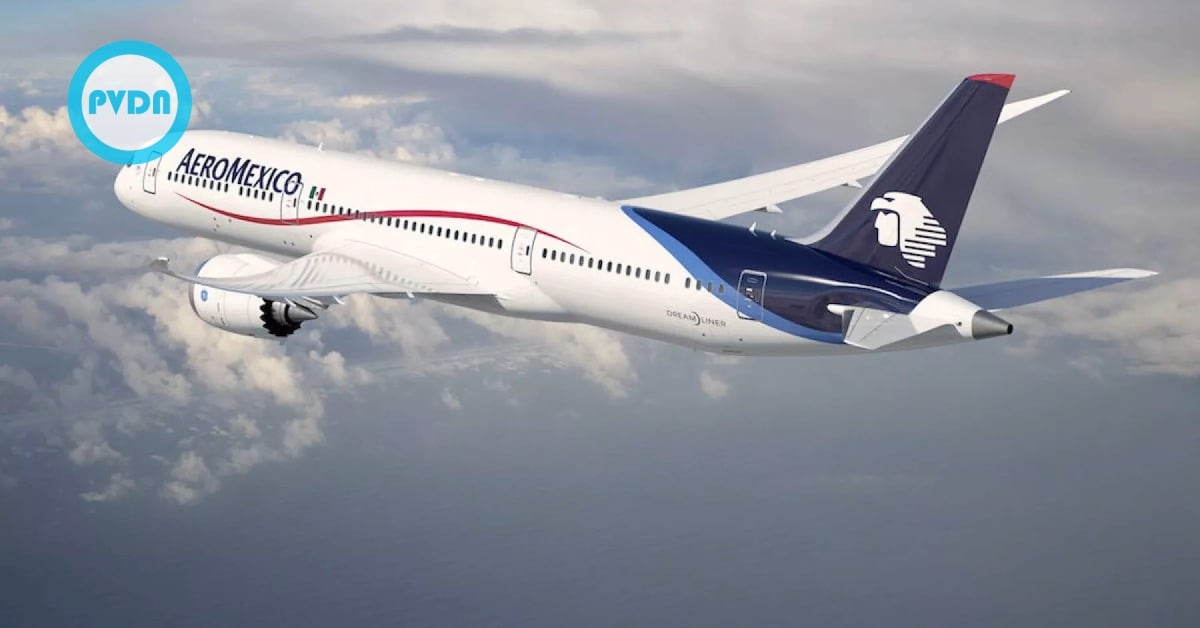
Aviation costs are moving from balance sheets into flight schedules. Aeroméxico says fuel prices and tighter seat supply are forcing a more cautious growth outlook, even as the airline continues to add select international routes and builds a broader loyalty push with Inbursa. The change is small in percentage terms, but the signals behind it are larger. For travelers watching fares, routes, and reward programs, the airline’s latest message offers a clearer look at where Mexico’s air market is heading.
Aeroméxico moves closer to lower growth target
Aeroméxico is lowering its 2026 growth expectations as jet fuel costs and thinner seat availability weigh on the airline sector.
The airline had previously guided investors to full-year capacity growth of 3 percent to 5 percent, measured in available seat miles. Andrés Conesa, Aeroméxico’s chief executive, has now put the working expectation closer to 3 percent. He also described a market where available seats have contracted by an estimated 8 percent to 10 percent during the current fuel and geopolitical shock.
That is a narrow change on paper. It carries a wider signal for passengers. Airlines can keep planes full and still trim weaker flying. That becomes more likely when fuel moves faster than fares.
Aeroméxico’s own numbers show the squeeze. In its first-quarter results, the company said capacity fell 1.2 percent from a year earlier, even as revenue rose 13.3 percent. Fuel cost per liter rose 13.1 percent. Fuel consumption fell 2.6 percent, and fuel burn per available seat mile improved 1.4 percent. The airline attributed the efficiency gain mainly to its fleet mix.
“While higher fuel prices have put pressure on margins, our disciplined approach to capacity and network management, commitment to premium revenue strategies, pricing initiatives, and cost control, allowed us to sustain solid profitability,” Conesa said in the company’s earnings release.
Domestic flying is weaker than international demand
The adjustment is already visible in Aeroméxico’s traffic data. In April, the airline carried 2.061 million passengers, down 1.3 percent from April 2025. Total capacity rose only 0.2 percent. International capacity increased 0.8 percent, while domestic capacity fell 1 percent.
Demand moved in the same direction. International demand rose 1.7 percent in April. Domestic demand fell 2.4 percent. Conesa said the airline was moving capacity toward international markets, “where demand and pricing levels are more favorable,” to protect margins.
That shift does not mean Mexico routes are being abandoned. It means aircraft time is being reassessed. A plane used on a weaker domestic route can move elsewhere. The decision depends on fares, demand, and foreign-currency revenue.
Vallarta Daily has been tracking the same cost squeeze across the sector. Recent coverage showed that airfares in Mexico came under pressure after jet fuel prices doubled at AICM and that Mexican airlines may cut routes as fuel costs rise. Aeroméxico’s latest remarks fit that pattern. The industry is not dealing with one isolated cost increase. Fuel, seat supply, and route profitability are hitting at once.
Fuel remains the hard cost airlines cannot ignore
The International Air Transport Association says fuel is usually one of the highest operating costs for airlines. Its fuel monitor put the global average jet fuel price at $141.64 per barrel last week. That was down from the previous week, but still high enough to keep airline planning under pressure.
Daniel Chereau, IATA’s head of fuel, said many airlines have been hit hard by jet-fuel price swings. Some carriers cannot hedge enough to soften the impact. He also warned that flight cancellations and short fuel supplies at some airports were already producing demand loss in parts of the industry.
Aeroméxico has not framed the current adjustment as a retreat. The company is still adding select long-haul flights, including Mexico City-Barcelona and Monterrey-Paris. Those routes place more capacity where Aeroméxico says demand and pricing are stronger.
Loyalty becomes part of the defense
The airline is also leaning harder on Aeroméxico Rewards. Conesa said Aeroméxico carries about 25 million passengers a year. More than 14 million customers are enrolled in the loyalty program. The company wants to raise the share of passengers who are Rewards members from about 30 percent to roughly 50 percent over the next two or three years.
The new Inbursa partnership is part of that push. Inbursa now lists three Aeroméxico credit cards, Ascend, Elevate, and Horizon. They carry different earning rates, welcome bonuses, baggage benefits, and annual fees. It also lists a Cuenta Inbursa Aeroméxico with a Mastercard Platinum debit card that earns Aeroméxico Rewards points.
Conesa said additional cards would be important for reaching younger customers and encouraging personal and family use. Marco Antonio Slim Domit, chairman of Inbursa, said the product targets frequent travelers while also broadening its offering to younger segments.
Loyalty programs do not lower fuel prices. They can help airlines hold customers when schedules tighten and fares move. That is the commercial bet now visible behind Aeroméxico’s capacity language.