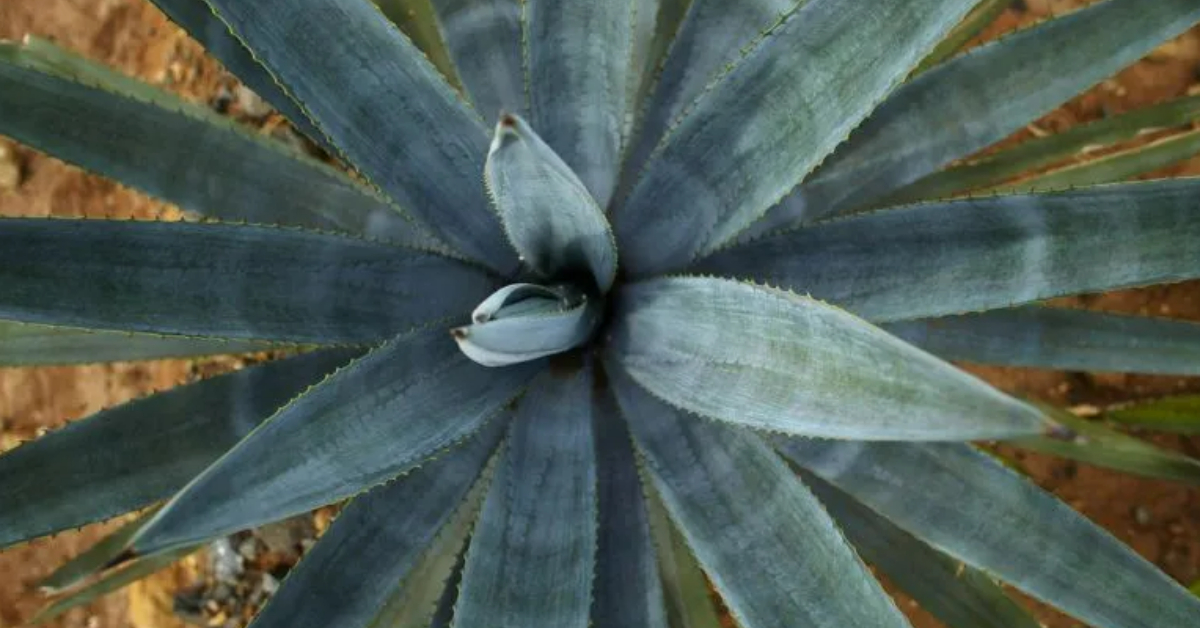
A researcher’s claim about ancient clay vessels in western Mexico is reopening a familiar debate around tequila, mezcal, bacanora, and raicilla. David Suro Piñera says biomolecular evidence tied to the Capacha culture points to agave distillation about 2,500 years ago, far earlier than the colonial-origin story many drinkers have heard. His argument comes with a second point: Mexico’s best-known agave spirits now face pressure from demand, monoculture, and the loss of wild plants.
Researcher says agave distillates existed in Mesoamerica
Researcher and author David Suro Piñera said physical evidence from ancient clay vessels points to agave distillates in Mesoamerica about 2,500 years ago, a claim that challenges the common account that distillation arrived in Mexico only after Spanish colonization.
The evidence, as described by Suro, centers on vessels linked to the Capacha culture in western Mexico. He said samples from the clay containers were analyzed at a biomolecular laboratory at the University of Pennsylvania, tested positive for agave, and were dated by carbon testing to about 2,500 years ago.
Suro presented the argument while discussing his book Alma de agave, written with ethnobotanist Gary Paul Nabhan. The Spanish-language edition carries the subtitle Past, Present and Future of Mexico’s Distillates. The earlier English edition, Agave Spirits: The Past, Present, and Future of Mezcals, won a 2024 James Beard Foundation award for beverage writing without recipes.
Ancient vessels and an old debate
The claim fits into a long-running discussion among archaeologists, historians, and agave researchers. One view holds that distilled agave drinks such as tequila and mezcal developed after Europeans and Asian maritime routes brought distillation technology to New Spain. Suro argues that older ceramic evidence points to a deeper origin.
The vessels he described come from western Mexico, where ancient pottery forms have been studied for possible use in distillation. Some researchers have treated the hypothesis cautiously, saying the physical evidence is suggestive but not settled.
That caution is part of the story. Suro’s argument does not erase the debate. It adds weight to a competing account: that at least some Mesoamerican communities may have developed methods for distilling agave before colonial rule.
Tequila, mezcal, bacanora and raicilla
Suro connects the claim to Mexico’s broader family of agave spirits, including tequila, mezcal, bacanora, and raicilla. Those drinks are often discussed in terms of brands, markets, and denominations of origin. His focus is on the rural and Indigenous knowledge behind the handling of agave, fermentation, and distillation.
He said the knowledge tied to these drinks comes from communities in agave-producing regions, including Oaxaca, Zacatecas, Jalisco, Nayarit, Michoacán, and Guerrero. In his view, the producer’s work is central because agaves can take years to mature before they are harvested.
That long growing cycle is part of the production problem. Suro said the quality of a distillate depends on the care given to the plant, the region where it grows, and the handling of the raw material before it reaches the still.
Agave pressure is part of the same story
The interview also raised concerns about the overexploitation of agave. Suro pointed to the heavy demand for agave tequilana Weber, the blue agave used in tequila, and said clonal reproduction has reduced genetic diversity. That makes plants more vulnerable.
The warning extends beyond tequila. Researchers who study agave conservation have reported risks tied to wild harvesting, monoculture, and the loss of genetic diversity in species used for distilled beverages.
Suro called for stronger regulation and greater attention to small producers and master distillers. He said large producers helped bring global recognition to Mexican agave drinks, but he argued that growth should not continue at the cost of the plant and the communities that have managed it for generations.