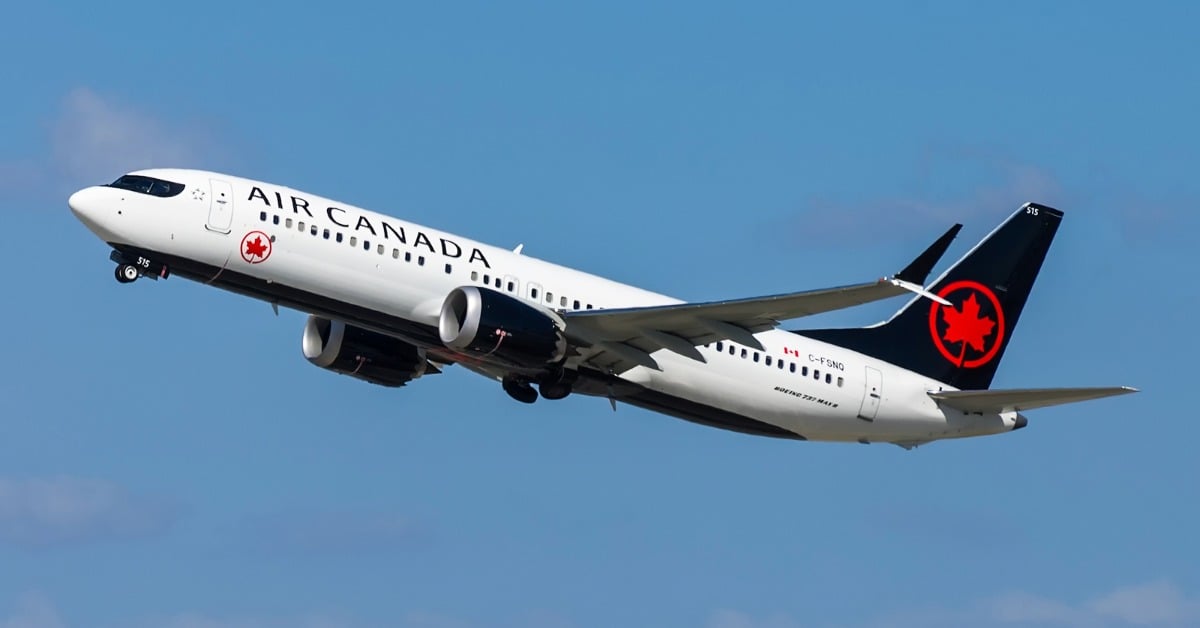
Air Canada said it has started “gradually suspending operations,” with a full shutdown by early Saturday if negotiations do not resume and yield a deal. The move follows a 72-hour strike notice from the Canadian Union of Public Employees (CUPE), which represents about 10,000 flight attendants. The airline issued a lockout notice in response.
Chief operating officer Mark Nasr told reporters the wind-down covers both Air Canada and Air Canada Rouge. He cautioned that a complete restart, even in the best case, could take up to a week. The press briefing ended abruptly when protesting crew members disrupted the event.
The scale is vast. Air Canada carries roughly 130,000 passengers a day, including about 25,000 Canadians who normally fly home from abroad. Those travelers now face possible stranding if aircraft stop moving on Saturday.
What the dispute is about
Talks have stalled over pay and unpaid ground duties. Flight attendants say they want compensation for all hours worked, including time on the ground during boarding. Air Canada says it offered a 38% increase in total compensation over four years, including partial payment for some duties that have been unpaid, but CUPE rejected the proposal and declined binding arbitration.
Air Canada also asked Ottawa to step in earlier this week. Federal Jobs Minister Patty Hajdu urged both sides to keep talking, stressing that negotiated settlements work best, but she has not imposed a solution.
What happens next
If the walkout begins on Saturday morning, most operations would stop. Long-haul cancellations began first as part of the wind-down; the airline planned to cancel around 500 flights by Friday to keep aircraft and crews positioned for an eventual restart. That phased approach reduces chaos now and speeds recovery later, but it still means widespread disruption.
Unions argue the airline can still avoid a shutdown by addressing unpaid work and low base pay. Air Canada insists its latest offer is generous and says arbitration would resolve the impasse quickly. For passengers, the outcome will hinge on whether talks meaningfully resume before the strike deadline.
What passengers can do today
If you are booked Thursday through early next week, act now. Use the self-service tools to move to earlier or later flights if available, or request a refund. You will compete with thousands of travelers for limited seats, so flexibility on dates and routes will help. The airline has said it will waive change fees and offer refunds for affected trips while it works with partner carriers to find alternatives.
Monitor your reservation directly rather than relying on third-party alerts. If you booked through an agency, contact the agency to process changes. Keep essential meds, chargers, and documents in your carry-on in case an unplanned overnight becomes necessary.
How Air Canada’s shutdown hits Mexico’s biggest gateways
Air Canada’s Mexico network leans on a few heavy-hitters: Cancún/Tulum/Cozumel on the Caribbean side, Puerto Vallarta and Los Cabos on the Pacific, and Mexico City for business and connections. The carrier lists these cities—plus Guadalajara, Ixtapa, Huatulco, Puerto Escondido, Monterrey, and Tepic—across Montreal, Toronto, Vancouver, and other Canadian origins. That’s the core traffic you can expect to feel the disruption first.
In the Cancún–Tulum corridor, the impact is broad, but there’s real backfill. WestJet and Air Transat both run dense schedules into Cancún, with WestJet also selling Tulum and Cozumel. Travelers can often move dates or switch carriers, but seats will be tight over peak weeks.
Mexico City is the least fragile of the big nodes. Aeroméxico maintains year-round nonstops from Toronto, Montreal, and Vancouver, giving point-to-point alternatives if Air Canada remains offline. Expect full flights and higher last-minute fares, but the route won’t go dark.
On the Pacific, Puerto Vallarta and Los Cabos are classic Canadian leisure markets. WestJet continues to sell both, which helps absorb some stranded passengers, though weekend departures and school-holiday periods will be the hardest to rebook.
Smaller or seasonal Air Canada beach routes—Ixtapa, Huatulco, Puerto Escondido, Guadalajara, Tepic—will feel cancellations more acutely because schedules are thinner and alternatives are fewer. Where WestJet doesn’t fly, travelers may need to stitch a connection via Mexico City or shift dates entirely.