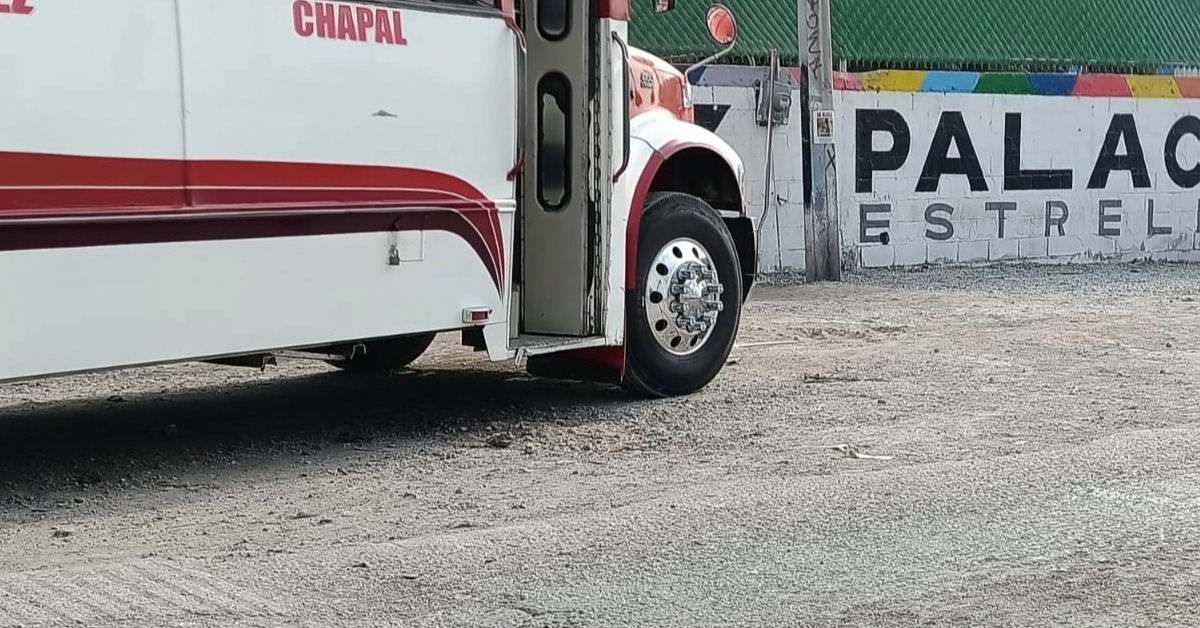
A fare increase in Chapala’s public transport system has set off a sharp public backlash after residents were hit with what they describe as a second increase in less than a month. The anger is not only about cost. Riders say the bigger issue is that service conditions have not improved, even as fares have climbed.
For many people along the north shore of Lake Chapala, buses are not optional. They are the daily link between home, work, school, shopping, and medical appointments. That makes even a modest increase hard to absorb. When the increase comes suddenly, and without visible service upgrades, it can feel less like an adjustment and more like a penalty on everyday life.
The strongest complaints have centered on the gap between price and service. Riders describe overcrowded buses, damaged seats, weak schedule compliance, poor ventilation, and long-standing problems with how some routes operate during peak hours. In that context, the new fares have become a symbol of something larger. People are asking why they are being charged more for a service they say still feels neglected.
A second increase in under a month changed the tone
The latest increase took effect on April 12, according to local coverage, and affected regular routes used by residents around the lakeshore. Reports said the minimum fare on some short routes, including stretches such as Chapala to Ajijic, Jocotepec, and Mezcala, rose from 13 pesos to 18 pesos. Some microbus fares also rose from 10 pesos to 12 pesos.
That came after an earlier increase on the direct Guadalajara-Chapala service in March, when the fare reportedly went from 67 pesos to 80 pesos. Taken together, the two increases changed the mood in the region. What might have remained scattered complaints on social media became a public argument about fairness, oversight, and who is supposed to protect riders.
That shift helps explain why the protests grew. A first demonstration in March drew only a handful of people. By April 19, the response was larger and more organized. Protesters gathered near the bus terminal, carried signs, collected signatures, and pushed a written set of demands aimed at both the company and public authorities.
The protest is about service, but also about accountability
The protest movement has grown because many residents believe responsibility is being passed around without a clear response. Riders say the company justifies the increase with higher operating costs. Local officials, meanwhile, have been accused of distancing themselves from the problem. That has added to the sense that users are being left to deal with the consequences on their own.
For readers outside the area, this matters because Lake Chapala is not just a tourist zone. It is a large residential corridor with Mexican families, workers, students, retirees, and foreign residents who use the same transport system. When fares rise on a route with limited alternatives, the impact spreads quickly across the local economy and daily routines.
The dispute has also exposed a basic weakness in regional mobility. Residents say the system lacks real competition. Several local reports describe Autotransportes Guadalajara-Chapala as the dominant operator on key ribera routes. In practical terms, that means unhappy users cannot easily take their business elsewhere. Their only leverage is public pressure.
What happens next will matter beyond one fare dispute
This story now goes beyond the fare itself. It raises a broader question about what riders should expect in exchange for higher prices. In many parts of Mexico, transport disputes are not only about the amount charged. They are about whether authorities enforce standards, whether concessions serve the public interest, and whether users have any meaningful path to complain and be heard.
In Jalisco, public transport regulation is handled at the state level, which helps explain why local frustration has increasingly turned toward state oversight and municipal inaction. For Chapala residents, that distinction may matter legally, but it does little to ease the immediate frustration of a crowded morning bus or a more expensive trip to work.
The next phase will likely depend on whether the protests produce a formal response, either from the operator or from state transport authorities. If not, the dispute may continue to grow. What started as anger over a fare hike is becoming a wider challenge to how mobility is managed in one of Mexico’s best-known lakeside communities.