Money can’t buy you love, but it can buy you plants. And maybe plants can win over your Valentine.
For millennia, various plants have been billed as aphrodisiacs. These aren’t necessarily obscure species lurking deep in tropical jungles and known only to shamans. Wander over to the produce counter of any modern supermarket and reach for, say, a pomegranate, and you are cradling in your hand a fruit revered thousands of years ago by the Egyptians for its association with love and eroticism.
A number of spices, from lovage to nutmeg to vanilla, have been credited with the potential to induce love. A dish of rich vanilla ice cream could surely sway me in certain directions. Perhaps the effect of spices on sexuality was indirect; according to a 16th century source, anise seeds, whatever their aphrodisiacal qualities, also “make the breath modest and pleasant to the taste … and dispels flatulence in the belly.”
Love, for all its attractions, has also been associated with a degree of danger, emotionally or otherwise. And certain aphrodisiac plants, such as those in the nightshade family, can be truly deadly.
Mandrake root is a nightshade that was said to incite desire for love even among those who did not want it — when taken in the correct doses. Too much mandrake root causes death. Another deadly nightshade, belladonna, boosted the attractiveness of 18th century Italian ladies by darkening their eyes. Belladonna is used even today — now by eye doctors rather than vamps, to dilate our irises for eye examinations (perhaps inadvertently still resulting in a bella donna, or “beautiful lady”).
According to some sources, Shakespeare’s Juliet might have feigned her death by taking an appropriate dose of belladonna.
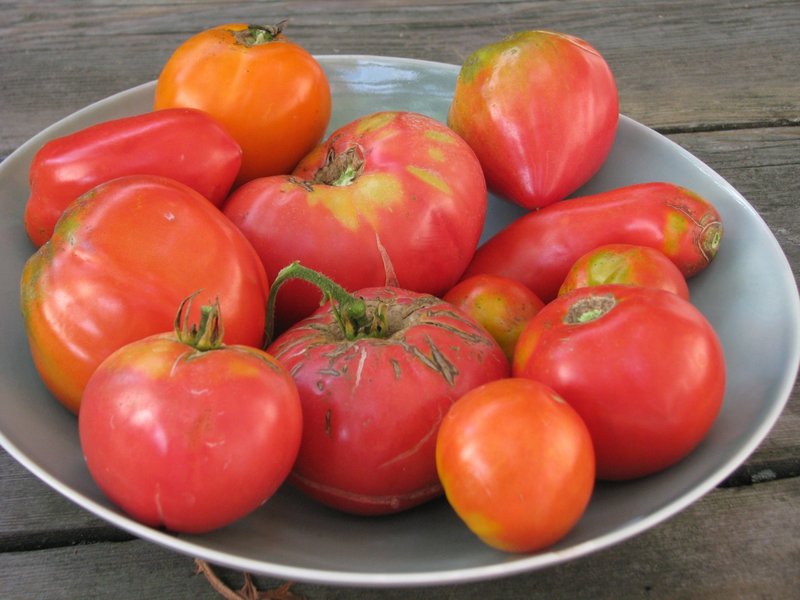
Most benign and downright tasty among aphrodisiacal nightshades is the “love apple,” better known as tomato.
Over the centuries, many lists of aphrodisiacs have been compiled. Even whole books. (Christian Ratsch’s “Plants of Love,” published by Ten Speed Press in 1997, is a modern example.)
The lists include an amazing array of plants.
Any plant generally considered to be a tonic or a stimulant, for instance, could make a list of aphrodisiacs. Among stimulants we find such common fare as coffee and basil, as well as more obscure and certainly more effective sounding “cup of gold” (Solandra brevicalyx); its aroma alone is said to be irresistibly enticing. Cup of gold is another deadly nightshade.
Garlic is a common enough “tonic,” one easy enough to grow in any backyard, but you’re unlikely to lay hands on or grow a tonic such as Liriosma ovata, an Amazonian tropical plant know indigenously as muira puama, which translates as “potency wood.”
Topping my list would be ylang-ylang, another large tropical tree (Cananga odorata) that I’ll never be able to grow, but whose sweet, tropical fragrance does make me swoon.
Valentine’s Day is, of course, about love, and many plants can help demonstrate that. No need to crawl among tropical jungles. A red rose will do just fine, on the end of a cut stem or, if you’re a true gardener, a potted miniature rose in bloom — either one a purely symbolic demonstration of love.
___