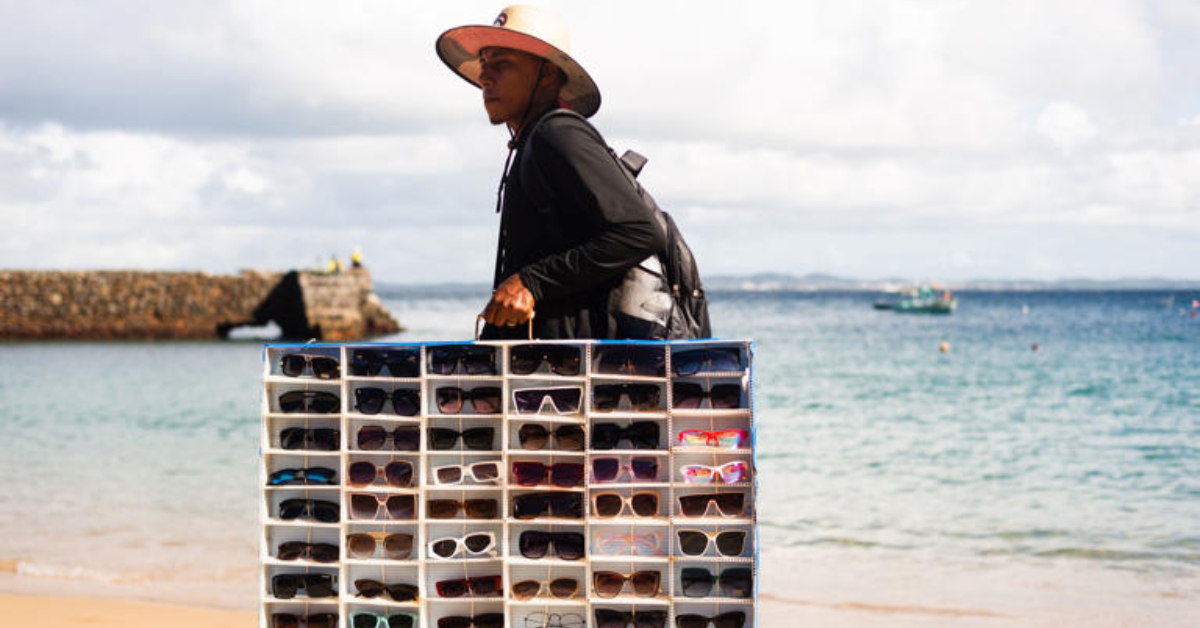
Benito Juárez officials deploy 35 inspectors and Tourist Police in two shifts along Kukulcán Boulevard to curb street vendors Cancún beaches, enforce permits, and safeguard tourist zones.
This summer, Benito Juárez authorities upped their game along Cancún’s coast. The Directorate of Commerce and Services on Public Roads announced a reinforced operation targeting unlicensed vendors on the municipality’s busiest beaches. Agency head José Gamaliel Canto confirmed that 35 inspectors will patrol Kukulcán Boulevard—an area under federal jurisdiction where street vending remains strictly prohibited.
Canto emphasized the importance of collaboration. “We will work hand in hand with the Tourist Police in two daily shifts—7 a.m. to 3 p.m. and 3 p.m. to 11 p.m.—to ensure every merchant has valid permits,” he said. Those operating without authorization will face removal and potential fines.
Two shifts, 35 inspectors, zero tolerance
Inspectors will cover Kukulcán Boulevard from Punta Cancún to Playa Delfines, the stretch that draws thousands of visitors each day. Federal law bars municipal authorities from issuing vending permits in this zone. To compensate, Benito Juárez officials have increased staffing and added resources to their patrols.
Tourist Police chief María Fernanda López noted that summer crowds can overwhelm standard controls. “With an influx of holidaymakers, we must remain vigilant. Our joint operation will deter unlawful sales, protect legitimate businesses, and maintain a safe environment for tourists and locals alike.”
Balancing business and order
The crackdown has stirred mixed reactions. Some licensed vendors welcome the move, arguing that illegal street sales undercut their investments. “I rent a stall, pay fees, and follow regulations,” said Carmen Rodríguez, a souvenir seller. “When unlicensed vendors set up illegally, it hurts my livelihood.”
Meanwhile, informal vendors face tough choices. Many rely on summer income to support their families. The municipality urges them to regularize their status before patrols tighten further. “Our goal is not to punish but to guide,” Canto explained. “Vendors who meet requirements can work legally and contribute to the local economy.”
Fines and removals on the rise
Under the current enforcement plan, inspectors will first issue warnings. Noncompliant vendors will then face confiscation of goods, fines up to 5,000 MXN, and possible mergers with municipal work programs. Repeat offenders risk steeper penalties.
Tourist Police will document every encounter. Photographic and video records will back fine assessments and administrative proceedings. “We want transparency,” López said. “Our actions must stand up to public scrutiny and legal review.”
A message to vendors and visitors
Authorities encourage street merchants to visit the Directorate’s offices on Avenida Tulum to secure the necessary authorizations. They also remind beachgoers to report any unauthorized vending via the Cancún 072 hotline.
With summer vacation here, Benito Juárez officials are determined to keep Cancún’s beaches clean, safe, and free of unauthorized commerce. Their reinforced operations send a clear message: vendors must play by the rules, or they will be removed—no exceptions.